News / National
Zimbabwe headed for another coup?
15 Jun 2026 at 18:51hrs |
0 Views
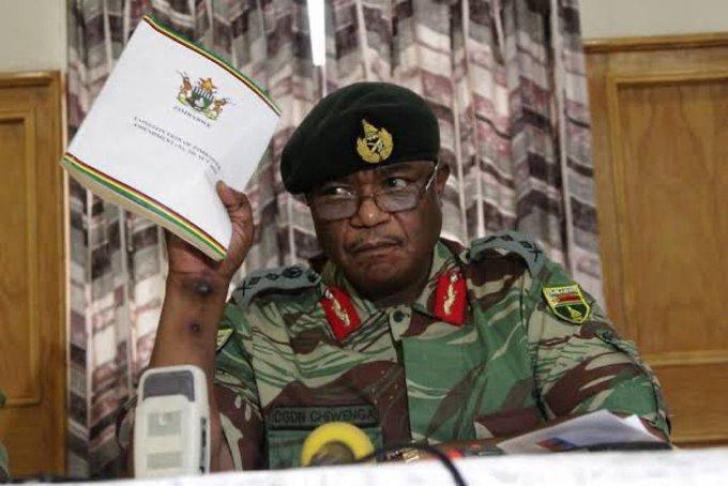
In recent weeks, reports - speculative or otherwise - have circulated of soldiers allegedly distributing pamphlets in military cantonments expressing dissatisfaction with the current political trajectory. At the same time, rumours persist that senior military figures are being courted by influential political and business elites aligned to the ruling establishment.
These developments have emerged against the backdrop of growing controversy surrounding the Constitution of Zimbabwe Amendment Bill No. 3 (CAB3), the so-called "2030 agenda", reported tensions between factions associated with President Emmerson Mnangagwa and Vice President Constantino Chiwenga, and increasing public debate over succession politics within Zanu PF.
Recent court challenges mounted by liberation war veterans against constitutional changes have further reinforced perceptions that the consensus underpinning the ruling establishment is no longer as solid as it once appeared.
As a result, many Zimbabweans are asking the same question: Could another military intervention happen?
Yet that may not be the most useful question.
The more important question is whether Zimbabwe today possesses the same political and military architecture that made the events of November 2017 possible.
At first glance, the similarities are difficult to ignore.
As in the final years of former President Robert Mugabe's rule, succession battles have once again become a dominant feature of national politics. War veterans are increasingly vocal. Constitutional debates have become inseparable from leadership questions. Security sector loyalties are being openly discussed in public spaces.
CAB3 has amplified these concerns by proposing constitutional changes that critics argue could reshape Zimbabwe's political future. Resistance to the Bill has emerged not only from opposition groups but also from sections of the ruling party itself.
The atmosphere is undeniably familiar.
However, atmospheres do not produce coups.
Structures and strategies do.
Many Zimbabweans remember the tanks that rolled into Harare in November 2017. They remember then Zimbabwe Defence Forces commander General Constantino Chiwenga's press conference days before the military intervention. They remember soldiers occupying the national broadcaster and Major General Sibusiso Moyo's famous declaration that what was happening was "not a military takeover of government."
What is often forgotten is that the 2017 intervention was not fundamentally a military coup in the traditional sense.
It was an elite political operation in which the military became the instrument through which an already existing coalition within the ruling establishment removed Robert Mugabe from power.
The intervention succeeded because multiple centres of power were moving in the same direction.
Senior military commanders, influential political figures, liberation war veterans, intelligence actors and key factions within Zanu PF shared a common objective.
The military was not the author of the political project. It was the mechanism through which the project was executed.
This distinction matters because successful coups across Africa are rarely purely military affairs.
In Sudan, General Abdel Fattah al-Burhan's takeover emerged from disputes within the governing transition. In Niger, the 2023 coup was led by presidential guards tasked with protecting the president. In Gabon, the officers who removed President Ali Bongo were products of the very system they ultimately dismantled.
Modern coups are often elite conflicts expressed through military action.
They usually originate from the centre of power rather than its periphery.
This reality casts doubt on theories that dissatisfaction among junior officers alone could trigger meaningful political change.
Junior officers may possess access to weapons and barracks, but senior commanders control institutions, intelligence systems, communications networks, logistics and political relationships.
History demonstrates that military grievances do not automatically translate into regime change.
In 2008, Zimbabwe experienced widespread unrest among rank-and-file soldiers as economic conditions deteriorated. Yet despite visible anger and sporadic acts of indiscipline, the political leadership remained intact.
It would take almost a decade—and the emergence of a broad elite coalition—before political change occurred in 2017.
Zimbabwe's military remains deeply hierarchical and heavily influenced by liberation-war traditions that place enormous emphasis on command structures and seniority.
Any serious intervention would almost certainly require the participation or acquiescence of senior military figures.
This reality inevitably brings attention to Vice President Constantino Chiwenga.
Few individuals have exerted greater influence over Zimbabwe's post-independence military establishment.
Many officers serving today rose through structures he helped shape. Many careers developed under his command. Many liberation war veterans continue to regard him as one of their own.
However, influence should not be confused with control.
The military that Chiwenga commanded in 2017 is not the same institution that exists today.
Retirements, promotions, deaths and new appointments have altered command structures. Institutional loyalties evolve. Political realities shift.
The critical question is not whether Chiwenga retains influence.
It is whether he retains sufficient influence to shape outcomes against a sitting president who has spent nearly a decade consolidating power.
President Mnangagwa, himself a veteran of Zimbabwe's intelligence and security structures, has had ample opportunity to strengthen his position since assuming office.
Leaders who emerge through military-backed political transitions often devote considerable effort to ensuring similar transitions cannot be used against them.
Over the past nine years, Zimbabwe's security architecture has undergone significant changes. Command structures have been reshaped, strategic appointments made and alternative centres of political influence developed.
Power today is no longer concentrated exclusively within traditional military institutions.
Intelligence networks, party structures, business interests and security institutions have become increasingly interconnected.
The military is no longer the sole arbiter of political power.
This helps explain why routine meetings involving senior security officials are now interpreted through the lens of succession politics.
The issue is less about the meetings themselves and more about the fact that trust within elite circles appears increasingly fragile.
Many Zimbabweans continue to imagine another version of November 2017—tanks in the streets, televised announcements and a swift transfer of power.
But political systems learn.
Institutions adapt.
Incumbents become more sophisticated.
The Zimbabwe of 2026 is not the Zimbabwe of 2017.
The security landscape is more complex. Power is distributed across multiple centres. Elite interests are more diverse and often competing.
Most importantly, the political environment is different.
While President Mnangagwa faces criticism from various quarters, there is currently no visible coalition comparable in size, organisation or cohesion to the one that emerged against Mugabe nearly a decade ago.
Ironically, the greatest threat to Zimbabwe's stability may not be a coup at all.
It may be prolonged uncertainty.
As succession remains unresolved, constitutional questions become increasingly contentious and elite factions begin to view political disagreements as existential threats.
History suggests that when trust within governing coalitions erodes, instability often emerges not from dramatic military interventions but from slow institutional paralysis.
The lesson from 2017 may therefore be simpler than many imagine.
Coups are rarely about tanks.
They are about coalitions.
And until a comparable coalition emerges, the whispers may remain just that—whispers.
These developments have emerged against the backdrop of growing controversy surrounding the Constitution of Zimbabwe Amendment Bill No. 3 (CAB3), the so-called "2030 agenda", reported tensions between factions associated with President Emmerson Mnangagwa and Vice President Constantino Chiwenga, and increasing public debate over succession politics within Zanu PF.
Recent court challenges mounted by liberation war veterans against constitutional changes have further reinforced perceptions that the consensus underpinning the ruling establishment is no longer as solid as it once appeared.
As a result, many Zimbabweans are asking the same question: Could another military intervention happen?
Yet that may not be the most useful question.
The more important question is whether Zimbabwe today possesses the same political and military architecture that made the events of November 2017 possible.
At first glance, the similarities are difficult to ignore.
As in the final years of former President Robert Mugabe's rule, succession battles have once again become a dominant feature of national politics. War veterans are increasingly vocal. Constitutional debates have become inseparable from leadership questions. Security sector loyalties are being openly discussed in public spaces.
CAB3 has amplified these concerns by proposing constitutional changes that critics argue could reshape Zimbabwe's political future. Resistance to the Bill has emerged not only from opposition groups but also from sections of the ruling party itself.
The atmosphere is undeniably familiar.
However, atmospheres do not produce coups.
Structures and strategies do.
Many Zimbabweans remember the tanks that rolled into Harare in November 2017. They remember then Zimbabwe Defence Forces commander General Constantino Chiwenga's press conference days before the military intervention. They remember soldiers occupying the national broadcaster and Major General Sibusiso Moyo's famous declaration that what was happening was "not a military takeover of government."
What is often forgotten is that the 2017 intervention was not fundamentally a military coup in the traditional sense.
It was an elite political operation in which the military became the instrument through which an already existing coalition within the ruling establishment removed Robert Mugabe from power.
The intervention succeeded because multiple centres of power were moving in the same direction.
Senior military commanders, influential political figures, liberation war veterans, intelligence actors and key factions within Zanu PF shared a common objective.
The military was not the author of the political project. It was the mechanism through which the project was executed.
This distinction matters because successful coups across Africa are rarely purely military affairs.
In Sudan, General Abdel Fattah al-Burhan's takeover emerged from disputes within the governing transition. In Niger, the 2023 coup was led by presidential guards tasked with protecting the president. In Gabon, the officers who removed President Ali Bongo were products of the very system they ultimately dismantled.
Modern coups are often elite conflicts expressed through military action.
They usually originate from the centre of power rather than its periphery.
This reality casts doubt on theories that dissatisfaction among junior officers alone could trigger meaningful political change.
Junior officers may possess access to weapons and barracks, but senior commanders control institutions, intelligence systems, communications networks, logistics and political relationships.
History demonstrates that military grievances do not automatically translate into regime change.
In 2008, Zimbabwe experienced widespread unrest among rank-and-file soldiers as economic conditions deteriorated. Yet despite visible anger and sporadic acts of indiscipline, the political leadership remained intact.
It would take almost a decade—and the emergence of a broad elite coalition—before political change occurred in 2017.
Zimbabwe's military remains deeply hierarchical and heavily influenced by liberation-war traditions that place enormous emphasis on command structures and seniority.
Any serious intervention would almost certainly require the participation or acquiescence of senior military figures.
This reality inevitably brings attention to Vice President Constantino Chiwenga.
Many officers serving today rose through structures he helped shape. Many careers developed under his command. Many liberation war veterans continue to regard him as one of their own.
However, influence should not be confused with control.
The military that Chiwenga commanded in 2017 is not the same institution that exists today.
Retirements, promotions, deaths and new appointments have altered command structures. Institutional loyalties evolve. Political realities shift.
The critical question is not whether Chiwenga retains influence.
It is whether he retains sufficient influence to shape outcomes against a sitting president who has spent nearly a decade consolidating power.
President Mnangagwa, himself a veteran of Zimbabwe's intelligence and security structures, has had ample opportunity to strengthen his position since assuming office.
Leaders who emerge through military-backed political transitions often devote considerable effort to ensuring similar transitions cannot be used against them.
Over the past nine years, Zimbabwe's security architecture has undergone significant changes. Command structures have been reshaped, strategic appointments made and alternative centres of political influence developed.
Power today is no longer concentrated exclusively within traditional military institutions.
Intelligence networks, party structures, business interests and security institutions have become increasingly interconnected.
The military is no longer the sole arbiter of political power.
This helps explain why routine meetings involving senior security officials are now interpreted through the lens of succession politics.
The issue is less about the meetings themselves and more about the fact that trust within elite circles appears increasingly fragile.
Many Zimbabweans continue to imagine another version of November 2017—tanks in the streets, televised announcements and a swift transfer of power.
But political systems learn.
Institutions adapt.
Incumbents become more sophisticated.
The Zimbabwe of 2026 is not the Zimbabwe of 2017.
The security landscape is more complex. Power is distributed across multiple centres. Elite interests are more diverse and often competing.
Most importantly, the political environment is different.
While President Mnangagwa faces criticism from various quarters, there is currently no visible coalition comparable in size, organisation or cohesion to the one that emerged against Mugabe nearly a decade ago.
Ironically, the greatest threat to Zimbabwe's stability may not be a coup at all.
It may be prolonged uncertainty.
As succession remains unresolved, constitutional questions become increasingly contentious and elite factions begin to view political disagreements as existential threats.
History suggests that when trust within governing coalitions erodes, instability often emerges not from dramatic military interventions but from slow institutional paralysis.
The lesson from 2017 may therefore be simpler than many imagine.
Coups are rarely about tanks.
They are about coalitions.
And until a comparable coalition emerges, the whispers may remain just that—whispers.
Source - The Standard
Join the discussion
Loading comments…



