News / National
Minimum wage for domestic workers now US$90 in Zimbabwe
16 Jun 2026 at 15:46hrs |
0 Views
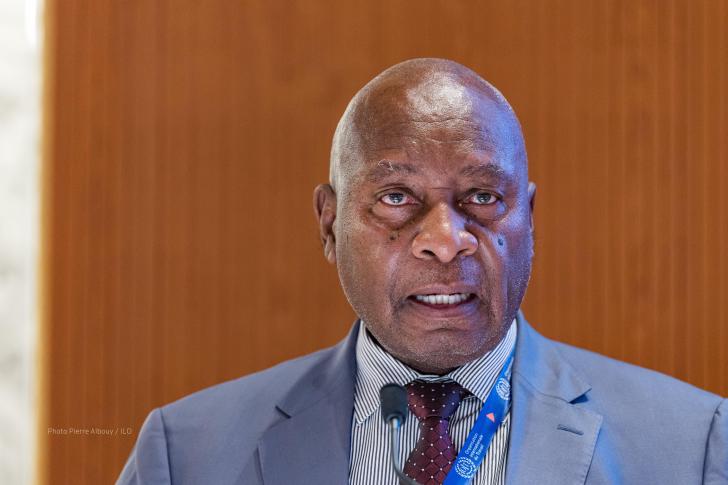
Cabinet has approved an upward review of minimum wages for domestic workers and employees in unclassified operations, with the new rates taking immediate effect.
The wage adjustments were presented to Cabinet by Edgar Moyo following recommendations from the Wages and Salaries Advisory Council (WASC), a tripartite body that brings together government, labour and business representatives.
Under the new wage structure, the minimum wage for domestic workers has been increased from US$85 to US$90 per month. Workers in unclassified operations—those employed in sectors that are not covered by National Employment Councils (NECs)—will now earn a minimum wage of US$270 per month.
Both wages are payable in local currency at the prevailing exchange rate.
The revised framework also introduces differentiated wage levels for various categories of domestic workers based on their duties and qualifications.
A yard worker or gardener will earn a minimum of US$90 per month, matching the general domestic worker wage floor.
Workers employed as cooks or housekeepers will receive a minimum wage of US$99 per month.
Meanwhile, child minders, disability caregivers and those looking after elderly persons will earn at least US$108 per month, up from the previous minimum of US$95.
The highest-paid category under the revised structure is that of certified disability or elderly caregivers who possess a Red Cross certificate. Their minimum wage has been increased from US$100 to US$117 per month.
Cabinet formally approved the revised wage schedule, with Minister Moyo confirming that the adjustments are effective immediately.
The review comes as authorities continue efforts to improve working conditions and earnings for vulnerable categories of workers who often fall outside formal collective bargaining arrangements.
Domestic workers in Zimbabwe have historically been among the lowest-paid groups in the labour market and are not covered by sector-specific collective bargaining structures. As a result, government-led reviews through the Wages and Salaries Advisory Council remain the primary mechanism through which their minimum wages are adjusted.
Labour analysts say the increases are intended to provide some relief to workers facing rising living costs, although concerns remain over whether the revised wages are sufficient to meet the cost of basic necessities.
The latest review reflects ongoing efforts by Government, employers and labour representatives to balance worker welfare with the capacity of employers to absorb higher labour costs in a challenging economic environment.
The wage adjustments were presented to Cabinet by Edgar Moyo following recommendations from the Wages and Salaries Advisory Council (WASC), a tripartite body that brings together government, labour and business representatives.
Under the new wage structure, the minimum wage for domestic workers has been increased from US$85 to US$90 per month. Workers in unclassified operations—those employed in sectors that are not covered by National Employment Councils (NECs)—will now earn a minimum wage of US$270 per month.
Both wages are payable in local currency at the prevailing exchange rate.
The revised framework also introduces differentiated wage levels for various categories of domestic workers based on their duties and qualifications.
A yard worker or gardener will earn a minimum of US$90 per month, matching the general domestic worker wage floor.
Workers employed as cooks or housekeepers will receive a minimum wage of US$99 per month.
Meanwhile, child minders, disability caregivers and those looking after elderly persons will earn at least US$108 per month, up from the previous minimum of US$95.
The highest-paid category under the revised structure is that of certified disability or elderly caregivers who possess a Red Cross certificate. Their minimum wage has been increased from US$100 to US$117 per month.
Cabinet formally approved the revised wage schedule, with Minister Moyo confirming that the adjustments are effective immediately.
The review comes as authorities continue efforts to improve working conditions and earnings for vulnerable categories of workers who often fall outside formal collective bargaining arrangements.
Domestic workers in Zimbabwe have historically been among the lowest-paid groups in the labour market and are not covered by sector-specific collective bargaining structures. As a result, government-led reviews through the Wages and Salaries Advisory Council remain the primary mechanism through which their minimum wages are adjusted.
Labour analysts say the increases are intended to provide some relief to workers facing rising living costs, although concerns remain over whether the revised wages are sufficient to meet the cost of basic necessities.
The latest review reflects ongoing efforts by Government, employers and labour representatives to balance worker welfare with the capacity of employers to absorb higher labour costs in a challenging economic environment.
Source - online
Join the discussion
Loading comments…





