News / National
Zimbabwe central bank cuts policy rate to 30%
17 Jun 2026 at 08:24hrs |
0 Views
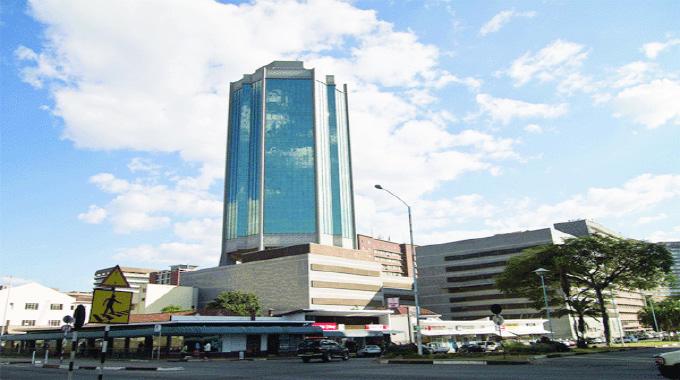
The Reserve Bank of Zimbabwe (RBZ) has reduced its benchmark interest rate by five percentage points to 30 percent, citing a sustained decline in inflation and improving macroeconomic stability.
The decision was announced following a meeting of the Monetary Policy Committee (MPC) on Monday, with the new policy rate taking effect immediately.
RBZ Governor and MPC chairman John Mushayavanhu said the reduction reflects a significant shift in the country's inflation environment rather than a relaxation of monetary policy.
"The MPC underlined that its decision to reduce the bank policy rate does not entail easing monetary policy at this stage, but a realignment of the policy rate to the structural shift in inflation dynamics," Mushayavanhu said.
The central bank also lowered the interest rate on the Targeted Finance Facility (TFF) from 20 percent to 15 percent. Commercial banks accessing the facility will be required to lend to productive sectors at a capped all-inclusive interest rate of 25 percent.
The rate cut follows a dramatic slowdown in inflation over the past year. Annual inflation, which peaked at 95.8 percent in July 2025, has fallen to single-digit levels in 2026, with year-on-year inflation easing to 4.8 percent in April and 4.4 percent in May.
Month-on-month inflation rose temporarily from 0.5 percent in March to 1.1 percent in April following an international oil price shock before returning to 0.5 percent in May.
According to the MPC, the limited impact of higher oil prices was supported by government fuel tax reductions, restrained pricing behaviour by businesses and increased use of alternative energy sources.
The committee also cited falling global oil prices following the US-Iran peace agreement as a positive development supporting a low-inflation environment.
The MPC maintained current statutory reserve requirements at 30 percent for demand deposits and 15 percent for savings and time deposits for both local and foreign currency accounts.
The committee noted that strong foreign currency inflows continue to underpin exchange rate stability and support confidence in the ZiG currency.
Foreign currency receipts reached US$8.3 billion by May 31, 2026, compared to US$6 billion during the same period last year, representing a 39.1 percent increase.
As a result, foreign currency reserves backing the ZiG have risen to more than US$1.5 billion, equivalent to approximately 1.5 months of import cover.
The MPC said the RBZ had used the stronger reserve position to intervene strategically in the foreign exchange market and ensure that legitimate foreign payment requirements were met while maintaining exchange rate stability.
The ZiG exchange rate remained relatively stable during the review period, trading within a range of ZiG25 to ZiG27 against the United States dollar.
The committee also welcomed investor participation in the newly introduced ZiG Denominated Term Deposit Facility (ZiGDTDF), which attracted subscriptions of ZiG367.2 million for the 90-day instrument and ZiG110 million for the 30-day instrument.
The instruments were issued at yields of 11 percent and 8 percent respectively.
According to the MPC, the facility is expected to establish benchmark interest rates for savings products, encourage positive real returns and support the development of a stronger domestic savings culture.
The committee further acknowledged ongoing discussions between Zimbabwe and the International Monetary Fund (IMF) under the Staff Monitored Programme and urged the central bank to continue meeting agreed quantitative and structural reform targets.
Looking ahead, the MPC said it would continue to assess economic developments and calibrate monetary policy accordingly, while remaining alert to emerging domestic and external risks.
The latest policy decision signals growing confidence within the central bank that inflation has been brought under control, while maintaining a cautious approach aimed at preserving exchange rate stability and supporting economic growth.
The decision was announced following a meeting of the Monetary Policy Committee (MPC) on Monday, with the new policy rate taking effect immediately.
RBZ Governor and MPC chairman John Mushayavanhu said the reduction reflects a significant shift in the country's inflation environment rather than a relaxation of monetary policy.
"The MPC underlined that its decision to reduce the bank policy rate does not entail easing monetary policy at this stage, but a realignment of the policy rate to the structural shift in inflation dynamics," Mushayavanhu said.
The central bank also lowered the interest rate on the Targeted Finance Facility (TFF) from 20 percent to 15 percent. Commercial banks accessing the facility will be required to lend to productive sectors at a capped all-inclusive interest rate of 25 percent.
The rate cut follows a dramatic slowdown in inflation over the past year. Annual inflation, which peaked at 95.8 percent in July 2025, has fallen to single-digit levels in 2026, with year-on-year inflation easing to 4.8 percent in April and 4.4 percent in May.
Month-on-month inflation rose temporarily from 0.5 percent in March to 1.1 percent in April following an international oil price shock before returning to 0.5 percent in May.
According to the MPC, the limited impact of higher oil prices was supported by government fuel tax reductions, restrained pricing behaviour by businesses and increased use of alternative energy sources.
The committee also cited falling global oil prices following the US-Iran peace agreement as a positive development supporting a low-inflation environment.
The MPC maintained current statutory reserve requirements at 30 percent for demand deposits and 15 percent for savings and time deposits for both local and foreign currency accounts.
Foreign currency receipts reached US$8.3 billion by May 31, 2026, compared to US$6 billion during the same period last year, representing a 39.1 percent increase.
As a result, foreign currency reserves backing the ZiG have risen to more than US$1.5 billion, equivalent to approximately 1.5 months of import cover.
The MPC said the RBZ had used the stronger reserve position to intervene strategically in the foreign exchange market and ensure that legitimate foreign payment requirements were met while maintaining exchange rate stability.
The ZiG exchange rate remained relatively stable during the review period, trading within a range of ZiG25 to ZiG27 against the United States dollar.
The committee also welcomed investor participation in the newly introduced ZiG Denominated Term Deposit Facility (ZiGDTDF), which attracted subscriptions of ZiG367.2 million for the 90-day instrument and ZiG110 million for the 30-day instrument.
The instruments were issued at yields of 11 percent and 8 percent respectively.
According to the MPC, the facility is expected to establish benchmark interest rates for savings products, encourage positive real returns and support the development of a stronger domestic savings culture.
The committee further acknowledged ongoing discussions between Zimbabwe and the International Monetary Fund (IMF) under the Staff Monitored Programme and urged the central bank to continue meeting agreed quantitative and structural reform targets.
Looking ahead, the MPC said it would continue to assess economic developments and calibrate monetary policy accordingly, while remaining alert to emerging domestic and external risks.
The latest policy decision signals growing confidence within the central bank that inflation has been brought under control, while maintaining a cautious approach aimed at preserving exchange rate stability and supporting economic growth.
Source - ZimLive
Join the discussion
Loading comments…



