News / National
UN probes Jessie Majome ouster
20 Jun 2026 at 10:51hrs |
570 Views
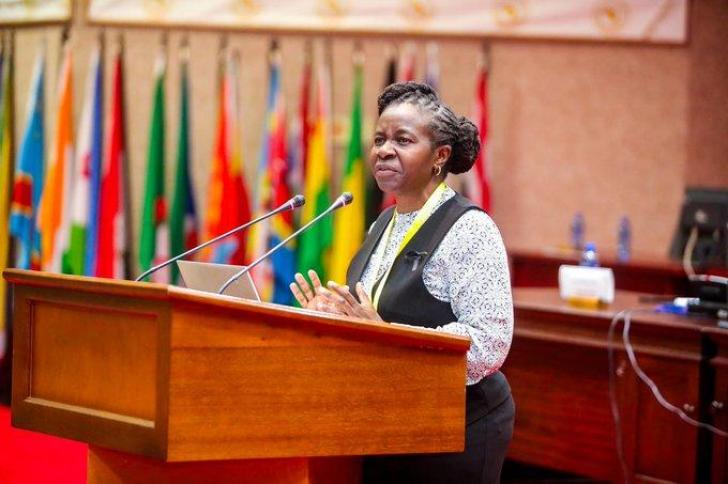
THE United Nations and several international human rights bodies are continuing to scrutinise the controversial removal of former Zimbabwe Human Rights Commission chairperson Fungayi Jessie Majome amid growing concerns over alleged executive interference in independent constitutional institutions.
The latest developments follow fresh submissions by Justice pour Tous Internationale (JPTi), which has urged international human rights mechanisms to intervene in the dispute arising from President Emmerson Mnangagwa's decision to remove Majome from the leadership of the human rights commission.
Last week, JPTi submitted a supplementary update to several international bodies, including the United Nations Special Procedures, the Office of the United Nations High Commissioner for Human Rights, the Global Alliance of National Human Rights Institutions (GANHRI), GANHRI's Sub-Committee on Accreditation (SCA), and the president of the Human Rights Council.
The latest submission builds on an earlier complaint lodged in April 2026, which first brought the matter before international human rights mechanisms.
According to JPTi, the dispute raises serious concerns about alleged reprisals against independent human rights oversight, executive interference in the operations of the ZHRC and possible violations of the Paris Principles, the international standards governing the independence and functioning of national human rights institutions.
The organisation argued that recent developments in Constitutional Court case CCZ 29/26 reinforce concerns outlined in its original complaint.
JPTi maintains that Majome's removal, which was officially presented as a reassignment to the Public Service Commission, amounted to retaliation for the commission's independent human rights monitoring activities, including its work relating to public hearings on Constitutional Amendment Bill No. 3.
"JPTi submits that the domestic filings confirm the central concern raised in the original complaint: the President's position relies on the concept of ‘reassignment' to justify the removal of Ms Majome from the ZHRC without triggering the constitutional safeguards governing removal from office," the organisation said in its submission.
The organisation warned that allowing the removal of the head of an independent constitutional commission through reassignment rather than formal removal procedures could undermine constitutional protections designed to safeguard the independence of such institutions.
"Such reasoning would undermine security of tenure, weaken the independence of the ZHRC, and create a dangerous precedent for executive interference with independent commissions supporting democracy," JPTi said.
JPTi also noted that the ZHRC enjoys A-status accreditation under GANHRI, a designation that recognises compliance with international standards of independence and effectiveness.
The organisation argued that questions regarding the commission's autonomy are therefore matters of legitimate international concern.
According to JPTi, any response from international accreditation bodies should focus on protecting the institution and restoring confidence in its independence rather than penalising the commission itself.
"The focus should be on restoring Ms Majome to the full and unhindered exercise of her mandate, protecting commissioners and staff, and securing guarantees of non-repetition," the organisation said.
JPTi called for coordinated action by the United Nations High Commissioner for Human Rights, relevant UN Special Procedures mandate holders, GANHRI, the SCA and the president of the Human Rights Council.
The organisation argued that the dispute extends beyond Majome's individual circumstances and raises broader questions about the protection of independent constitutional institutions, security of tenure for commissioners and the effectiveness of Zimbabwe's domestic human rights protection framework.
Meanwhile, activist Allan Chipoyi has approached the Constitutional Court challenging Majome's reassignment to the Public Service Commission, arguing that the move was effected without following constitutional procedures governing the removal of heads of independent commissions.
Majome's departure from the ZHRC came shortly after the commission released a critical report on public hearings into Constitutional Amendment Bill No. 3, which documented incidents of violence and intimidation against opponents of the proposed constitutional changes.
The outcome of the Constitutional Court challenge and the international scrutiny surrounding the matter are likely to have significant implications for perceptions of the independence of Zimbabwe's constitutional commissions and broader democratic governance institutions.
The latest developments follow fresh submissions by Justice pour Tous Internationale (JPTi), which has urged international human rights mechanisms to intervene in the dispute arising from President Emmerson Mnangagwa's decision to remove Majome from the leadership of the human rights commission.
Last week, JPTi submitted a supplementary update to several international bodies, including the United Nations Special Procedures, the Office of the United Nations High Commissioner for Human Rights, the Global Alliance of National Human Rights Institutions (GANHRI), GANHRI's Sub-Committee on Accreditation (SCA), and the president of the Human Rights Council.
The latest submission builds on an earlier complaint lodged in April 2026, which first brought the matter before international human rights mechanisms.
According to JPTi, the dispute raises serious concerns about alleged reprisals against independent human rights oversight, executive interference in the operations of the ZHRC and possible violations of the Paris Principles, the international standards governing the independence and functioning of national human rights institutions.
The organisation argued that recent developments in Constitutional Court case CCZ 29/26 reinforce concerns outlined in its original complaint.
JPTi maintains that Majome's removal, which was officially presented as a reassignment to the Public Service Commission, amounted to retaliation for the commission's independent human rights monitoring activities, including its work relating to public hearings on Constitutional Amendment Bill No. 3.
"JPTi submits that the domestic filings confirm the central concern raised in the original complaint: the President's position relies on the concept of ‘reassignment' to justify the removal of Ms Majome from the ZHRC without triggering the constitutional safeguards governing removal from office," the organisation said in its submission.
The organisation warned that allowing the removal of the head of an independent constitutional commission through reassignment rather than formal removal procedures could undermine constitutional protections designed to safeguard the independence of such institutions.
JPTi also noted that the ZHRC enjoys A-status accreditation under GANHRI, a designation that recognises compliance with international standards of independence and effectiveness.
The organisation argued that questions regarding the commission's autonomy are therefore matters of legitimate international concern.
According to JPTi, any response from international accreditation bodies should focus on protecting the institution and restoring confidence in its independence rather than penalising the commission itself.
"The focus should be on restoring Ms Majome to the full and unhindered exercise of her mandate, protecting commissioners and staff, and securing guarantees of non-repetition," the organisation said.
JPTi called for coordinated action by the United Nations High Commissioner for Human Rights, relevant UN Special Procedures mandate holders, GANHRI, the SCA and the president of the Human Rights Council.
The organisation argued that the dispute extends beyond Majome's individual circumstances and raises broader questions about the protection of independent constitutional institutions, security of tenure for commissioners and the effectiveness of Zimbabwe's domestic human rights protection framework.
Meanwhile, activist Allan Chipoyi has approached the Constitutional Court challenging Majome's reassignment to the Public Service Commission, arguing that the move was effected without following constitutional procedures governing the removal of heads of independent commissions.
Majome's departure from the ZHRC came shortly after the commission released a critical report on public hearings into Constitutional Amendment Bill No. 3, which documented incidents of violence and intimidation against opponents of the proposed constitutional changes.
The outcome of the Constitutional Court challenge and the international scrutiny surrounding the matter are likely to have significant implications for perceptions of the independence of Zimbabwe's constitutional commissions and broader democratic governance institutions.
Source - The Standard
Join the discussion
Loading comments…





