News / National
CAB 3 heads to Senate as Zanu-PF eyes swift passage
23 Jun 2026 at 09:59hrs |
175 Views
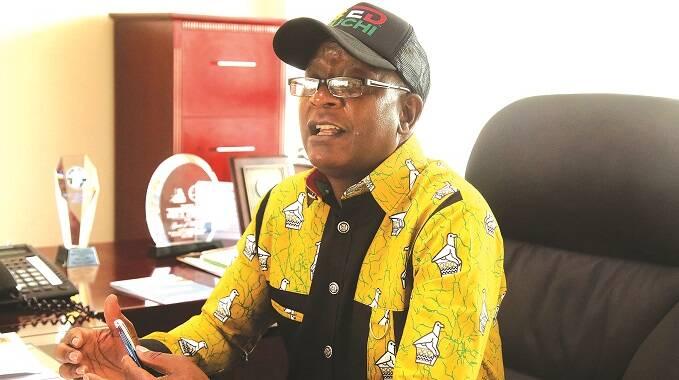
Debate on the controversial Constitutional Amendment No. 3 Bill is expected to begin in the Senate today, with Government expressing confidence that the proposed legislation will sail through the Upper House following its overwhelming approval in the National Assembly last week.
Justice, Legal and Parliamentary Affairs Minister Ziyambi Ziyambi is set to present the Bill's Second Reading speech, outlining the objectives and rationale behind the proposed constitutional amendments before senators begin debating the legislation.
The Bill cleared the National Assembly after securing 216 votes in favour and 42 against, comfortably surpassing the 187 votes required to achieve the two-thirds majority needed for constitutional amendments. The vote was backed by legislators from both Zanu PF and sections of the opposition Citizens Coalition for Change (CCC).
Following the Second Reading debate, senators will consider the Bill clause by clause during the committee stage before proceeding to a final vote.
Chairperson of the Parliamentary Portfolio Committee on Justice, Legal and Parliamentary Affairs, Eddison Zvobgo Jr., said Parliament was hoping to complete debate and voting on the Bill this week.
"The Bill will be read for the second time and they (Senators) will debate the Bill. Our hope is for the debate to move fast and get finished this week. We hope that they go into vote like what happened in the National Assembly last week," said Zvobgo.
He acknowledged, however, that the pace of proceedings would depend on the number of senators wishing to contribute to the debate.
"Remember, the Senate has politicians and politicians by nature, given the opportunity, they would want to speak. It is possible that all Senators may want to speak during the debate and it will determine the day of voting for the Bill," he said.
Zvobgo appealed for cooperation from senators to ensure the process is concluded within the anticipated timeframe.
"If there are changes to what has been done in the National Assembly, the Bill will be sent back for reconciliation. If there are no changes, it will then go for Third Reading and to the President for his assent," he said.
Minister Ziyambi recently indicated that Government does not expect lengthy deliberations in the Senate, arguing that the Bill has already been widely debated.
"Once the debate is exhausted, we then respond and proceed to the committee stage, where we will look at it clause by clause. Once that is done, we then do the process that you witnessed in the National Assembly of voting to ensure that we satisfy the two-thirds majority required by the Constitution," he said.
The minister expressed confidence that senators would support the amendments.
"We are very confident because the Bill has been widely debated. The majority of Honourable members are fully up to speed with the contents and the substance of the Bill. So, we are confident that we are going to sail through in the Senate," he said.
Several notable changes were made to the Bill during its passage through the National Assembly.
Lawmakers successfully reversed a proposal to abolish the Zimbabwe Gender Commission and merge its functions with the Zimbabwe Human Rights Commission, arguing that gender equality issues required a dedicated constitutional body.
The House also amended provisions relating to the appointment of senators. Under the revised clause, the President will appoint 10 senators on the basis of professional skills and competencies after consultation with Parliament.
Minister Ziyambi rejected proposals that appointed senators should be denied voting rights, arguing that they would perform the same legislative functions as proportional representation and youth quota legislators.
Legislators also corrected a clause that would have required a designated judge to oversee the election of a President in Parliament, retaining that responsibility under the Zimbabwe Electoral Commission.
Other amendments include the creation of the office of President of the Supreme Court, changes to the composition of the proposed Zimbabwe Delimitation Commission, and provisions extending the population census cycle from 10 years to 14 years.
The National Assembly also agreed to retain "upholding the Constitution" as one of the functions of the Zimbabwe Defence Forces after Government accepted proposals from opposition legislators to restore the provision.
Another significant amendment aligns the tenure of the National and Provincial Assemblies of Chiefs with the proposed extension of the electoral cycle from five years to seven years.
If approved by the Senate without further amendments, the Bill will be transmitted to President Emmerson Mnangagwa for assent, marking the final step before it becomes law.
Justice, Legal and Parliamentary Affairs Minister Ziyambi Ziyambi is set to present the Bill's Second Reading speech, outlining the objectives and rationale behind the proposed constitutional amendments before senators begin debating the legislation.
The Bill cleared the National Assembly after securing 216 votes in favour and 42 against, comfortably surpassing the 187 votes required to achieve the two-thirds majority needed for constitutional amendments. The vote was backed by legislators from both Zanu PF and sections of the opposition Citizens Coalition for Change (CCC).
Following the Second Reading debate, senators will consider the Bill clause by clause during the committee stage before proceeding to a final vote.
Chairperson of the Parliamentary Portfolio Committee on Justice, Legal and Parliamentary Affairs, Eddison Zvobgo Jr., said Parliament was hoping to complete debate and voting on the Bill this week.
"The Bill will be read for the second time and they (Senators) will debate the Bill. Our hope is for the debate to move fast and get finished this week. We hope that they go into vote like what happened in the National Assembly last week," said Zvobgo.
He acknowledged, however, that the pace of proceedings would depend on the number of senators wishing to contribute to the debate.
"Remember, the Senate has politicians and politicians by nature, given the opportunity, they would want to speak. It is possible that all Senators may want to speak during the debate and it will determine the day of voting for the Bill," he said.
Zvobgo appealed for cooperation from senators to ensure the process is concluded within the anticipated timeframe.
"If there are changes to what has been done in the National Assembly, the Bill will be sent back for reconciliation. If there are no changes, it will then go for Third Reading and to the President for his assent," he said.
Minister Ziyambi recently indicated that Government does not expect lengthy deliberations in the Senate, arguing that the Bill has already been widely debated.
"Once the debate is exhausted, we then respond and proceed to the committee stage, where we will look at it clause by clause. Once that is done, we then do the process that you witnessed in the National Assembly of voting to ensure that we satisfy the two-thirds majority required by the Constitution," he said.
The minister expressed confidence that senators would support the amendments.
"We are very confident because the Bill has been widely debated. The majority of Honourable members are fully up to speed with the contents and the substance of the Bill. So, we are confident that we are going to sail through in the Senate," he said.
Several notable changes were made to the Bill during its passage through the National Assembly.
Lawmakers successfully reversed a proposal to abolish the Zimbabwe Gender Commission and merge its functions with the Zimbabwe Human Rights Commission, arguing that gender equality issues required a dedicated constitutional body.
The House also amended provisions relating to the appointment of senators. Under the revised clause, the President will appoint 10 senators on the basis of professional skills and competencies after consultation with Parliament.
Minister Ziyambi rejected proposals that appointed senators should be denied voting rights, arguing that they would perform the same legislative functions as proportional representation and youth quota legislators.
Legislators also corrected a clause that would have required a designated judge to oversee the election of a President in Parliament, retaining that responsibility under the Zimbabwe Electoral Commission.
Other amendments include the creation of the office of President of the Supreme Court, changes to the composition of the proposed Zimbabwe Delimitation Commission, and provisions extending the population census cycle from 10 years to 14 years.
The National Assembly also agreed to retain "upholding the Constitution" as one of the functions of the Zimbabwe Defence Forces after Government accepted proposals from opposition legislators to restore the provision.
Another significant amendment aligns the tenure of the National and Provincial Assemblies of Chiefs with the proposed extension of the electoral cycle from five years to seven years.
If approved by the Senate without further amendments, the Bill will be transmitted to President Emmerson Mnangagwa for assent, marking the final step before it becomes law.
Source - The Herald
Join the discussion
Loading comments…





