News / National
Zimbabwe gold deliveries hit 26 tonnes in 7 months
14 Aug 2026 at 11:02hrs |
0 Views
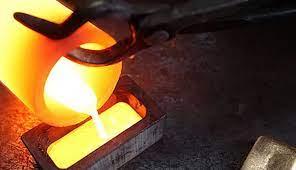
Zimbabwe's gold deliveries to Fidelity Gold Refinery (FGR) reached 26,05 tonnes in the first seven months of 2026, with small-scale and artisanal miners accounting for more than two-thirds of total output and keeping the country on course to meet its annual target of 55 tonnes.
Official figures show that small-scale producers delivered 18,4 tonnes between January and July, representing about 70,6 percent of total deliveries, while primary producers contributed 7,64 tonnes.
The latest performance builds on strong growth recorded in the gold sector in recent years.
In the seven months to July 2025, deliveries to FGR reached a record 24,31 tonnes, or 24 308,57kg, representing a 40,7 percent increase from the corresponding period in 2024.
Gold production gained momentum during the second quarter of 2026, with monthly deliveries peaking at 4,81 tonnes in June.
Small-scale and artisanal miners accounted for 3,58 tonnes of June deliveries, while primary producers contributed 1,22 tonnes.
Primary producers recorded relatively steady month-on-month growth, with deliveries rising from 0,808 tonnes in January to 1,229 tonnes in June.
Small-scale producers, meanwhile, recovered strongly after deliveries fell to 1,748 tonnes in March before reaching their highest monthly level in June.
With 26,05 tonnes delivered by the end of July, Zimbabwe needs to maintain strong production during the remaining months of the year to reach the 55-tonne annual target.
Gold remains Zimbabwe's biggest foreign currency earner and plays a major role in export earnings, Government revenue and overall economic stability.
Bullion reserves held by the Reserve Bank of Zimbabwe also provide backing for the Zimbabwe Gold (ZiG) currency, supporting exchange rate stability and market confidence.
While artisanal and small-scale miners continue to dominate gold deliveries, the large-scale mining sector is expanding as producers invest in new projects, plant modernisation and underground mine development.
Among the major investments is the Bilboes Gold Project, while local commercial banks have arranged syndicated financing facilities to support plant upgrades and underground expansion projects.
The funding is expected to strengthen mining companies' balance sheets, expand processing capacity and improve operational efficiency.
Meanwhile, FGR is seeking to strengthen transparency and accountability across the gold value chain through a partnership with the Zimbabwe Anti-Corruption Commission (Zacc).
As part of the initiative, members of Fidelity's Integrity Committee recently signed Integrity Pledges committing them to ethical leadership, transparency and accountability.
The pledges were signed during a two-day Integrity Workshop held at Cresta Lodge Msasa in Harare.
The workshop brought together members of Fidelity's Integrity Committee, board members, senior executives and Zacc officials to discuss corporate governance, corruption prevention and ethical leadership.
Officially opening the workshop, Fidelity general manager Peter Magaramombe said integrity was essential if Zimbabwe was to maximise the benefits of its mineral resources.
"As the national gold refinery, Fidelity plays a critical role in the gold value chain," he said.
"We understand that for Zimbabwe to fully benefit from its mineral resources, we must uphold the highest standards of integrity, transparency and accountability."
Magaramombe said corruption undermined the mining sector by eroding value, discouraging investment and depriving the country of resources that could contribute to development.
"Corruption has no place in the mining sector because it erodes value, discourages investment and robs the nation and its people of development," he said.
He said the integrity workshop was being held at a critical stage as Fidelity worked to close operational loopholes and promote ethical conduct across the gold value chain.
Zacc executive secretary Advocate Shepherd Manhivi said integrity was fundamental to building strong institutions and protecting national resources.
"Integrity is the foundation upon which strong institutions are built," he said.
Manhivi said integrity went beyond compliance with policies and procedures and required officials to consistently make ethical decisions and accept accountability for their actions.
"Organisations that cultivate a culture of integrity are better positioned to prevent corruption, inspire public confidence and contribute meaningfully to national development," he said.
He commended Fidelity for adopting a proactive approach to corruption prevention through integrity training and institutional capacity building.
Participants at the workshop received training on corruption prevention, integrity management, ethical leadership, corporate governance, corruption risk identification, conflict-of-interest management, whistle-blower protection and anti-corruption systems.
The sessions also focused on practical measures for embedding integrity within the organisation and strengthening accountability across all levels.
The signing of the Integrity Pledges was one of the key outcomes of the workshop, with members of Fidelity's Integrity Committee committing themselves to championing ethical conduct and preventing corruption.
As Zimbabwe's sole gold refinery, Fidelity said maintaining the integrity of the gold value chain was critical to protecting national resources, strengthening investor confidence and ensuring the country derives maximum value from its mineral wealth.
The partnership with Zacc is expected to further strengthen Fidelity's governance framework and support broader national efforts to combat corruption in the mining sector.
Official figures show that small-scale producers delivered 18,4 tonnes between January and July, representing about 70,6 percent of total deliveries, while primary producers contributed 7,64 tonnes.
The latest performance builds on strong growth recorded in the gold sector in recent years.
In the seven months to July 2025, deliveries to FGR reached a record 24,31 tonnes, or 24 308,57kg, representing a 40,7 percent increase from the corresponding period in 2024.
Gold production gained momentum during the second quarter of 2026, with monthly deliveries peaking at 4,81 tonnes in June.
Small-scale and artisanal miners accounted for 3,58 tonnes of June deliveries, while primary producers contributed 1,22 tonnes.
Primary producers recorded relatively steady month-on-month growth, with deliveries rising from 0,808 tonnes in January to 1,229 tonnes in June.
Small-scale producers, meanwhile, recovered strongly after deliveries fell to 1,748 tonnes in March before reaching their highest monthly level in June.
With 26,05 tonnes delivered by the end of July, Zimbabwe needs to maintain strong production during the remaining months of the year to reach the 55-tonne annual target.
Gold remains Zimbabwe's biggest foreign currency earner and plays a major role in export earnings, Government revenue and overall economic stability.
Bullion reserves held by the Reserve Bank of Zimbabwe also provide backing for the Zimbabwe Gold (ZiG) currency, supporting exchange rate stability and market confidence.
While artisanal and small-scale miners continue to dominate gold deliveries, the large-scale mining sector is expanding as producers invest in new projects, plant modernisation and underground mine development.
Among the major investments is the Bilboes Gold Project, while local commercial banks have arranged syndicated financing facilities to support plant upgrades and underground expansion projects.
The funding is expected to strengthen mining companies' balance sheets, expand processing capacity and improve operational efficiency.
Meanwhile, FGR is seeking to strengthen transparency and accountability across the gold value chain through a partnership with the Zimbabwe Anti-Corruption Commission (Zacc).
As part of the initiative, members of Fidelity's Integrity Committee recently signed Integrity Pledges committing them to ethical leadership, transparency and accountability.
The pledges were signed during a two-day Integrity Workshop held at Cresta Lodge Msasa in Harare.
The workshop brought together members of Fidelity's Integrity Committee, board members, senior executives and Zacc officials to discuss corporate governance, corruption prevention and ethical leadership.
Officially opening the workshop, Fidelity general manager Peter Magaramombe said integrity was essential if Zimbabwe was to maximise the benefits of its mineral resources.
"As the national gold refinery, Fidelity plays a critical role in the gold value chain," he said.
"We understand that for Zimbabwe to fully benefit from its mineral resources, we must uphold the highest standards of integrity, transparency and accountability."
Magaramombe said corruption undermined the mining sector by eroding value, discouraging investment and depriving the country of resources that could contribute to development.
"Corruption has no place in the mining sector because it erodes value, discourages investment and robs the nation and its people of development," he said.
He said the integrity workshop was being held at a critical stage as Fidelity worked to close operational loopholes and promote ethical conduct across the gold value chain.
Zacc executive secretary Advocate Shepherd Manhivi said integrity was fundamental to building strong institutions and protecting national resources.
"Integrity is the foundation upon which strong institutions are built," he said.
Manhivi said integrity went beyond compliance with policies and procedures and required officials to consistently make ethical decisions and accept accountability for their actions.
"Organisations that cultivate a culture of integrity are better positioned to prevent corruption, inspire public confidence and contribute meaningfully to national development," he said.
He commended Fidelity for adopting a proactive approach to corruption prevention through integrity training and institutional capacity building.
Participants at the workshop received training on corruption prevention, integrity management, ethical leadership, corporate governance, corruption risk identification, conflict-of-interest management, whistle-blower protection and anti-corruption systems.
The sessions also focused on practical measures for embedding integrity within the organisation and strengthening accountability across all levels.
The signing of the Integrity Pledges was one of the key outcomes of the workshop, with members of Fidelity's Integrity Committee committing themselves to championing ethical conduct and preventing corruption.
As Zimbabwe's sole gold refinery, Fidelity said maintaining the integrity of the gold value chain was critical to protecting national resources, strengthening investor confidence and ensuring the country derives maximum value from its mineral wealth.
The partnership with Zacc is expected to further strengthen Fidelity's governance framework and support broader national efforts to combat corruption in the mining sector.
Source - The Chronicle
Join the discussion
Loading comments…





