News / National
Economists warn CAB 3 could hurt Zimbabwe investor confidence
24 Jun 2026 at 06:01hrs |
0 Views
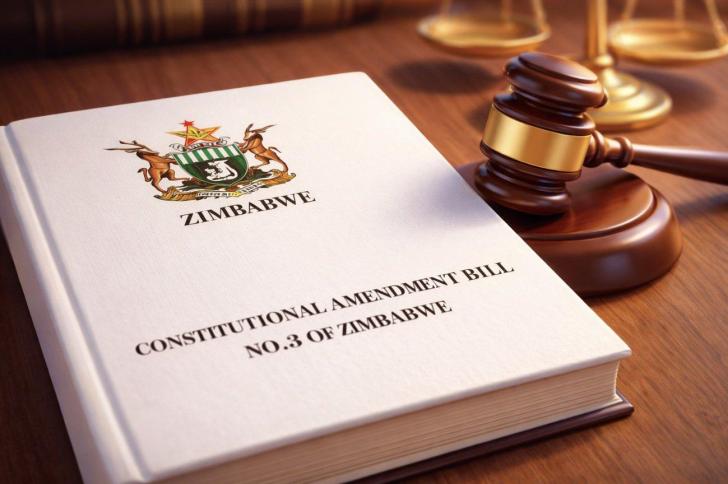
MOUNTING political tensions surrounding the Constitution Amendment No. 3 Bill (CAB 3) are beginning to spill over into economic discourse, with economists warning that the controversy could undermine investor confidence and distract policymakers from addressing Zimbabwe's pressing development challenges.
The Bill, which sailed through the National Assembly last week, is expected to come before the Senate this week. If ultimately enacted, it would extend the terms of the President and Members of Parliament to 2030, among other constitutional changes.
Economists say the prolonged focus on CAB 3 comes at a critical time for Zimbabwe, which is pursuing its Vision 2030 agenda aimed at attaining upper-middle-income status.
Political analysts and civic groups have also cautioned that the Bill could deepen constitutional disputes, weaken democratic institutions and erode confidence in the rule of law.
Speaking to NewsDay, economist Chenayi Mutambasere said the constitutional debate risks creating uncertainty that could discourage long-term investment.
"Zimbabwe is still struggling to achieve meaningful beneficiation and value addition. We continue to export raw materials, which means we are losing jobs and potential income that could be generated locally," she said.
"Investors are reluctant to make long-term commitments in an environment they perceive as unstable. Instead, many prefer short-term investments focused on extracting raw materials and leave.
"The Constitution Amendment No. 3 Bill introduces another layer of uncertainty and this is likely to affect investment decisions."
Mutambasere argued that the political focus on CAB 3 was diverting government attention and resources away from sectors requiring urgent intervention.
"We are witnessing major governance distortions that are contributing to instability. Government business is being shifted away from issues that matter most as authorities focus on debates and processes surrounding CAB 3," she said.
"Resources are being spent on matters that many citizens never asked for, while key sectors such as energy, agriculture and healthcare continue to face significant challenges. Zimbabwe remains food insecure and these are the areas where government should be concentrating its efforts."
Economist Stevenson Dhlamini said the constitutional amendment debate had not yet caused a significant economic shock, but acknowledged that it had contributed to an atmosphere of political uncertainty.
"The CAB 3 debate has not caused a dramatic economic disruption, but neither has it been neutral," Dhlamini said.
"It has added a layer of political uncertainty at a time when the economy is already grappling with deep structural challenges. By consuming significant political attention, it has indirectly diverted focus from urgent economic reforms."
He warned that if the Bill is enacted in its current form, it could send signals that negatively affect investor sentiment and diaspora confidence.
"If passed in its current form, the signal of extended political tenures may dampen business confidence and diaspora sentiment, modestly affecting investment and remittance flows," Dhlamini said.
"More importantly, it can complicate Zimbabwe's debt re-engagement process, which depends on sustained democratic progress."
Zimbabwe has been pursuing efforts to clear external debt arrears and normalise relations with international financial institutions, a process that analysts say depends heavily on governance reforms and political stability.
Dhlamini noted that perceptions of democratic backsliding could slow those efforts, although he stressed that CAB 3 alone was unlikely to trigger major fiscal or monetary disruptions.
Political analyst Ben Moyo expressed stronger concerns, describing the Bill's advancement through Parliament as evidence of the continued consolidation of power by the ruling party.
"We expect to see growing looting. We expect to see a compromised Judiciary. We expect to see our situation deteriorating and getting worse, with the level of impunity growing," Moyo said.
He warned that CAB 3 could undermine constitutional governance and further weaken institutional accountability.
Former Citizens Coalition for Change leader Nelson Chamisa's spokesperson, Nkululeko Sibanda, called on Zimbabweans to remain vigilant in defending constitutional governance and protecting national resources.
"We have a beautiful and rich country Zimbabwe. We must strive to protect our wealth from the thieves around us," Sibanda said.
"Zimbabwe is our wealth — soon the people will have leadership for a better and brighter future."
Public policy researcher and analyst Samukele Hadebe said much of the public debate had centred on disagreements over constitutional interpretation, particularly whether incumbents could benefit from any changes to term limits and tenure.
"Lawyers themselves did not help the public on the question of term limit and length and whether incumbents can benefit from any change without going to Parliament," Hadebe said.
"Unfortunately, other aspects of the many changes were rarely scrutinised because they were all subsumed by the ‘2030 ndinenge ndiripo' reality, as articulated by President Mnangagwa himself."
He added that the practical implications of the amendments would become clearer if and when the Bill becomes law.
As CAB 3 heads to the Senate, the debate continues to extend beyond constitutional law and politics, with growing concern among economists that prolonged uncertainty could distract attention from the economic reforms and investment climate improvements needed to support Zimbabwe's development ambitions.
The Bill, which sailed through the National Assembly last week, is expected to come before the Senate this week. If ultimately enacted, it would extend the terms of the President and Members of Parliament to 2030, among other constitutional changes.
Economists say the prolonged focus on CAB 3 comes at a critical time for Zimbabwe, which is pursuing its Vision 2030 agenda aimed at attaining upper-middle-income status.
Political analysts and civic groups have also cautioned that the Bill could deepen constitutional disputes, weaken democratic institutions and erode confidence in the rule of law.
Speaking to NewsDay, economist Chenayi Mutambasere said the constitutional debate risks creating uncertainty that could discourage long-term investment.
"Zimbabwe is still struggling to achieve meaningful beneficiation and value addition. We continue to export raw materials, which means we are losing jobs and potential income that could be generated locally," she said.
"Investors are reluctant to make long-term commitments in an environment they perceive as unstable. Instead, many prefer short-term investments focused on extracting raw materials and leave.
"The Constitution Amendment No. 3 Bill introduces another layer of uncertainty and this is likely to affect investment decisions."
Mutambasere argued that the political focus on CAB 3 was diverting government attention and resources away from sectors requiring urgent intervention.
"We are witnessing major governance distortions that are contributing to instability. Government business is being shifted away from issues that matter most as authorities focus on debates and processes surrounding CAB 3," she said.
"Resources are being spent on matters that many citizens never asked for, while key sectors such as energy, agriculture and healthcare continue to face significant challenges. Zimbabwe remains food insecure and these are the areas where government should be concentrating its efforts."
Economist Stevenson Dhlamini said the constitutional amendment debate had not yet caused a significant economic shock, but acknowledged that it had contributed to an atmosphere of political uncertainty.
"The CAB 3 debate has not caused a dramatic economic disruption, but neither has it been neutral," Dhlamini said.
"It has added a layer of political uncertainty at a time when the economy is already grappling with deep structural challenges. By consuming significant political attention, it has indirectly diverted focus from urgent economic reforms."
He warned that if the Bill is enacted in its current form, it could send signals that negatively affect investor sentiment and diaspora confidence.
"If passed in its current form, the signal of extended political tenures may dampen business confidence and diaspora sentiment, modestly affecting investment and remittance flows," Dhlamini said.
"More importantly, it can complicate Zimbabwe's debt re-engagement process, which depends on sustained democratic progress."
Zimbabwe has been pursuing efforts to clear external debt arrears and normalise relations with international financial institutions, a process that analysts say depends heavily on governance reforms and political stability.
Dhlamini noted that perceptions of democratic backsliding could slow those efforts, although he stressed that CAB 3 alone was unlikely to trigger major fiscal or monetary disruptions.
Political analyst Ben Moyo expressed stronger concerns, describing the Bill's advancement through Parliament as evidence of the continued consolidation of power by the ruling party.
"We expect to see growing looting. We expect to see a compromised Judiciary. We expect to see our situation deteriorating and getting worse, with the level of impunity growing," Moyo said.
He warned that CAB 3 could undermine constitutional governance and further weaken institutional accountability.
Former Citizens Coalition for Change leader Nelson Chamisa's spokesperson, Nkululeko Sibanda, called on Zimbabweans to remain vigilant in defending constitutional governance and protecting national resources.
"We have a beautiful and rich country Zimbabwe. We must strive to protect our wealth from the thieves around us," Sibanda said.
"Zimbabwe is our wealth — soon the people will have leadership for a better and brighter future."
Public policy researcher and analyst Samukele Hadebe said much of the public debate had centred on disagreements over constitutional interpretation, particularly whether incumbents could benefit from any changes to term limits and tenure.
"Lawyers themselves did not help the public on the question of term limit and length and whether incumbents can benefit from any change without going to Parliament," Hadebe said.
"Unfortunately, other aspects of the many changes were rarely scrutinised because they were all subsumed by the ‘2030 ndinenge ndiripo' reality, as articulated by President Mnangagwa himself."
He added that the practical implications of the amendments would become clearer if and when the Bill becomes law.
As CAB 3 heads to the Senate, the debate continues to extend beyond constitutional law and politics, with growing concern among economists that prolonged uncertainty could distract attention from the economic reforms and investment climate improvements needed to support Zimbabwe's development ambitions.
Source - newsday
Join the discussion
Loading comments…





