News / National
Chinese lithium firms face growing scrutiny in Zimbabwe
24 Jun 2026 at 19:46hrs |
0 Views
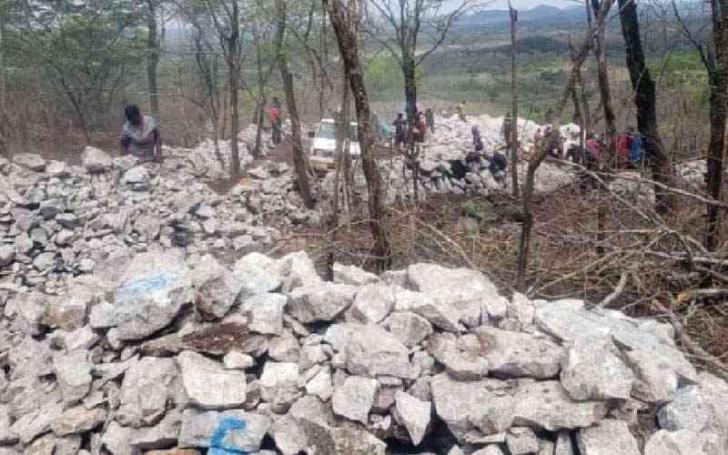
Chinese mining companies operating in Zimbabwe are facing mounting scrutiny from government, labour unions, environmental groups and local communities amid growing concerns over labour practices, environmental damage and alleged mineral smuggling in the country's booming lithium sector.
The spotlight comes as Zimbabwe seeks to maximise benefits from its vast lithium resources, which are among the largest in Africa and rank sixth globally.
Mining remains a cornerstone of the Zimbabwean economy, contributing approximately 14.5% of gross domestic product and accounting for about 75% of export earnings.
According to official figures, Zimbabwe exported 1.128 million metric tonnes of lithium-bearing spodumene concentrate to China in 2025, representing an 11% increase from the previous year.
However, concerns over the export of raw minerals and allegations of illegal shipments have prompted authorities to tighten oversight of the sector.
In February, the Ministry of Mines and Mining Development unexpectedly announced the immediate suspension of lithium concentrate exports, bringing forward a ban that had initially been expected to take effect a year later.
The move forms part of Zimbabwe's strategy to promote value addition and beneficiation by ensuring that more lithium is processed domestically into higher-value products before export.
The decision followed the discovery in January of stockpiles of Zimbabwean lithium ore at the Port of Beira in Mozambique, raising suspicions that minerals may have been exported in violation of government restrictions.
Presidential spokesperson George Charamba warned that authorities would investigate the origins of the stockpiled minerals and enforce existing regulations.
"I wish to remind everyone who is involved in mining, as well as our law enforcement agencies who man our ports of entry, that government took a position of slapping a blanket ban on the exportation of mineral ore with a view to ensuring that there is greater value addition activity on our minerals," Charamba said.
He added that if the minerals were found to have been exported unlawfully, Zimbabwe and Mozambique would work together to address the matter.
Beyond concerns about mineral exports, Chinese mining operations have increasingly come under criticism from labour unions, environmental campaigners and community organisations.
Communities living near lithium mining projects have reported concerns over water pollution, groundwater depletion, land degradation and dust emissions associated with mining activities.
Environmental advocates argue that rapid expansion of mining activity has not always been matched by adequate environmental safeguards or enforcement mechanisms.
Critics have also questioned the relationship between some mining companies and local authorities.
Journalist Mbam Chisom wrote in a 2025 article that some observers believe certain companies have benefited from weak oversight and alleged protection from corrupt officials.
Labour rights have emerged as another major area of concern.
The Zimbabwe Congress of Trade Unions (ZCTU) has repeatedly called on authorities to address complaints involving Chinese-owned companies.
ZCTU deputy secretary-general Runesu Dzimiri said the union had received numerous reports relating to working conditions and labour rights.
"We have serious misgivings particularly as pertaining to Chinese companies who seem to ignore the issues of decent work in their companies," Dzimiri said.
"Some openly say they are protected by some authorities."
Workers' representatives have raised concerns about long working hours, low wages, inadequate safety measures and poor compliance with labour standards at some mining operations.
Several fatal workplace accidents have also fuelled criticism from labour and human rights groups, which argue that stronger enforcement of occupational safety regulations is needed.
In addition, some mining operations have faced allegations of human rights violations, including reports involving intrusive workplace practices and mistreatment of employees.
Public concern intensified further following a number of high-profile criminal cases involving Chinese nationals employed in the mining sector.
One of the most widely publicised incidents occurred in October 2025 when a Chinese security supervisor at Zhuhe Mining Investments allegedly shot and killed a local resident accused of trespassing.
The incident sparked widespread condemnation and renewed debate over accountability within the mining sector.
ZCTU secretary-general Tirivanhu Marimo has described some of the allegations against mining operators as a challenge not only to labour rights but also to national sovereignty.
"The mounting complaints of barbaric conduct at Chinese operations constitute not just a breach of labour rights but a direct assault on Zimbabwe's sovereignty, showing contempt for both human rights and the rule of law," Marimo said in a statement issued last year.
As global demand for lithium continues to rise due to the growth of electric vehicle and battery manufacturing industries, Zimbabwe faces the challenge of balancing investment attraction with environmental protection, labour rights and national economic interests.
Government officials maintain that the push for local processing and stricter regulation is intended to ensure that Zimbabwe derives greater value from its mineral wealth while addressing concerns raised by workers and affected communities.
The coming years are expected to test Zimbabwe's ability to manage one of Africa's most strategic mineral resources while maintaining investor confidence and ensuring sustainable development.
The spotlight comes as Zimbabwe seeks to maximise benefits from its vast lithium resources, which are among the largest in Africa and rank sixth globally.
Mining remains a cornerstone of the Zimbabwean economy, contributing approximately 14.5% of gross domestic product and accounting for about 75% of export earnings.
According to official figures, Zimbabwe exported 1.128 million metric tonnes of lithium-bearing spodumene concentrate to China in 2025, representing an 11% increase from the previous year.
However, concerns over the export of raw minerals and allegations of illegal shipments have prompted authorities to tighten oversight of the sector.
In February, the Ministry of Mines and Mining Development unexpectedly announced the immediate suspension of lithium concentrate exports, bringing forward a ban that had initially been expected to take effect a year later.
The move forms part of Zimbabwe's strategy to promote value addition and beneficiation by ensuring that more lithium is processed domestically into higher-value products before export.
The decision followed the discovery in January of stockpiles of Zimbabwean lithium ore at the Port of Beira in Mozambique, raising suspicions that minerals may have been exported in violation of government restrictions.
Presidential spokesperson George Charamba warned that authorities would investigate the origins of the stockpiled minerals and enforce existing regulations.
"I wish to remind everyone who is involved in mining, as well as our law enforcement agencies who man our ports of entry, that government took a position of slapping a blanket ban on the exportation of mineral ore with a view to ensuring that there is greater value addition activity on our minerals," Charamba said.
He added that if the minerals were found to have been exported unlawfully, Zimbabwe and Mozambique would work together to address the matter.
Beyond concerns about mineral exports, Chinese mining operations have increasingly come under criticism from labour unions, environmental campaigners and community organisations.
Communities living near lithium mining projects have reported concerns over water pollution, groundwater depletion, land degradation and dust emissions associated with mining activities.
Environmental advocates argue that rapid expansion of mining activity has not always been matched by adequate environmental safeguards or enforcement mechanisms.
Critics have also questioned the relationship between some mining companies and local authorities.
Journalist Mbam Chisom wrote in a 2025 article that some observers believe certain companies have benefited from weak oversight and alleged protection from corrupt officials.
The Zimbabwe Congress of Trade Unions (ZCTU) has repeatedly called on authorities to address complaints involving Chinese-owned companies.
ZCTU deputy secretary-general Runesu Dzimiri said the union had received numerous reports relating to working conditions and labour rights.
"We have serious misgivings particularly as pertaining to Chinese companies who seem to ignore the issues of decent work in their companies," Dzimiri said.
"Some openly say they are protected by some authorities."
Workers' representatives have raised concerns about long working hours, low wages, inadequate safety measures and poor compliance with labour standards at some mining operations.
Several fatal workplace accidents have also fuelled criticism from labour and human rights groups, which argue that stronger enforcement of occupational safety regulations is needed.
In addition, some mining operations have faced allegations of human rights violations, including reports involving intrusive workplace practices and mistreatment of employees.
Public concern intensified further following a number of high-profile criminal cases involving Chinese nationals employed in the mining sector.
One of the most widely publicised incidents occurred in October 2025 when a Chinese security supervisor at Zhuhe Mining Investments allegedly shot and killed a local resident accused of trespassing.
The incident sparked widespread condemnation and renewed debate over accountability within the mining sector.
ZCTU secretary-general Tirivanhu Marimo has described some of the allegations against mining operators as a challenge not only to labour rights but also to national sovereignty.
"The mounting complaints of barbaric conduct at Chinese operations constitute not just a breach of labour rights but a direct assault on Zimbabwe's sovereignty, showing contempt for both human rights and the rule of law," Marimo said in a statement issued last year.
As global demand for lithium continues to rise due to the growth of electric vehicle and battery manufacturing industries, Zimbabwe faces the challenge of balancing investment attraction with environmental protection, labour rights and national economic interests.
Government officials maintain that the push for local processing and stricter regulation is intended to ensure that Zimbabwe derives greater value from its mineral wealth while addressing concerns raised by workers and affected communities.
The coming years are expected to test Zimbabwe's ability to manage one of Africa's most strategic mineral resources while maintaining investor confidence and ensuring sustainable development.
Source - newsday
Join the discussion
Loading comments…



