News / National
Bulawayo spends ZiG36,8m monthly on electricity pumping water
25 Jun 2026 at 16:55hrs |
507 Views
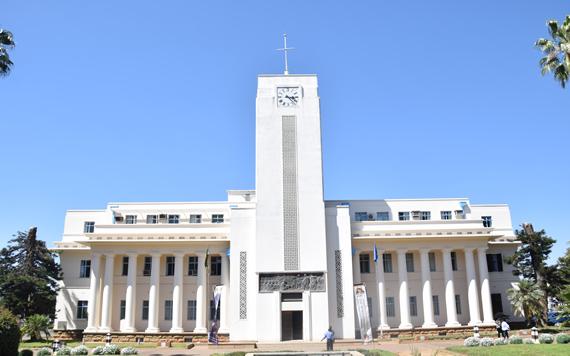
Bulawayo City Council is spending an average of ZiG36.8 million every month on electricity to pump water, underscoring the growing financial burden of supplying water to residents using ageing and increasingly inefficient infrastructure.
A report by the city's Water and Sanitation Department shows that the Ncema and Fernhill bulk water pumping stations account for approximately 95% of the electricity consumed across Bulawayo's water supply system, making them the primary drivers of water delivery costs.
"The Ncema and Fernhill Pump Stations are the City of Bulawayo's most energy-intensive water supply assets and represent the primary drivers of the cost of water delivery," the report states.
Council said the financial strain is compounded by Zimbabwe's time-of-use electricity tariff system, under which electricity consumed during peak demand periods attracts significantly higher charges.
Although only 36% of the city's water is pumped during peak tariff periods, that pumping accounts for 53% of the total monthly electricity bill.
"Current operating costs are significantly influenced by time-of-use electricity tariffs," the report said.
The department warned that the current operating model is placing increasing pressure on the city's finances.
"This activity accounts for 53% of the total monthly energy bill, placing substantial pressure on the city's operational finances," the report added.
The report attributes part of the problem to ageing pumping infrastructure, with several critical pumps at the city's major stations either out of service or operating below their intended capacity.
At Ncema Pump Station, only one of the three Flowserve pumps and one of the three Sulzer pumps are currently operational.
A similar situation exists at Fernhill Pump Station, where only one of three Flowserve pumps and one of three Sulzer pumps are functional.
Council said repeated equipment failures and delays in rehabilitation programmes continue to reduce pumping efficiency and increase operating costs.
The report also highlights growing concerns over ageing electrical infrastructure supporting the city's water supply system.
While most transformers remain operational, several units at the strategically important Ncema and Fernhill pumping stations are showing signs of deterioration.
"Ncema and Fernhill... have multiple transformers with known defects.
"Some units are operating despite oil leaks or deterioration and are overdue for routine maintenance," the report states.
To reduce electricity costs, the city plans to rehabilitate its raw water pumping infrastructure to increase pumping capacity during cheaper off-peak electricity periods and minimise reliance on expensive peak-hour pumping.
Council also intends to install power factor correction equipment at major pumping stations to improve electrical efficiency and reduce energy losses.
According to the report, shifting more pumping to off-peak periods, combined with infrastructure upgrades and improved energy efficiency, could significantly reduce the cost of delivering water while improving the reliability of Bulawayo's water supply system.
A report by the city's Water and Sanitation Department shows that the Ncema and Fernhill bulk water pumping stations account for approximately 95% of the electricity consumed across Bulawayo's water supply system, making them the primary drivers of water delivery costs.
"The Ncema and Fernhill Pump Stations are the City of Bulawayo's most energy-intensive water supply assets and represent the primary drivers of the cost of water delivery," the report states.
Council said the financial strain is compounded by Zimbabwe's time-of-use electricity tariff system, under which electricity consumed during peak demand periods attracts significantly higher charges.
Although only 36% of the city's water is pumped during peak tariff periods, that pumping accounts for 53% of the total monthly electricity bill.
"Current operating costs are significantly influenced by time-of-use electricity tariffs," the report said.
The department warned that the current operating model is placing increasing pressure on the city's finances.
"This activity accounts for 53% of the total monthly energy bill, placing substantial pressure on the city's operational finances," the report added.
The report attributes part of the problem to ageing pumping infrastructure, with several critical pumps at the city's major stations either out of service or operating below their intended capacity.
At Ncema Pump Station, only one of the three Flowserve pumps and one of the three Sulzer pumps are currently operational.
A similar situation exists at Fernhill Pump Station, where only one of three Flowserve pumps and one of three Sulzer pumps are functional.
Council said repeated equipment failures and delays in rehabilitation programmes continue to reduce pumping efficiency and increase operating costs.
The report also highlights growing concerns over ageing electrical infrastructure supporting the city's water supply system.
While most transformers remain operational, several units at the strategically important Ncema and Fernhill pumping stations are showing signs of deterioration.
"Ncema and Fernhill... have multiple transformers with known defects.
"Some units are operating despite oil leaks or deterioration and are overdue for routine maintenance," the report states.
To reduce electricity costs, the city plans to rehabilitate its raw water pumping infrastructure to increase pumping capacity during cheaper off-peak electricity periods and minimise reliance on expensive peak-hour pumping.
Council also intends to install power factor correction equipment at major pumping stations to improve electrical efficiency and reduce energy losses.
According to the report, shifting more pumping to off-peak periods, combined with infrastructure upgrades and improved energy efficiency, could significantly reduce the cost of delivering water while improving the reliability of Bulawayo's water supply system.
Source - SouthernEye
Join the discussion
Loading comments…





