News / National
Schools ordered to fully adopt Heritage-Based Curriculum or face closure
14 Jul 2026 at 16:15hrs |
671 Views
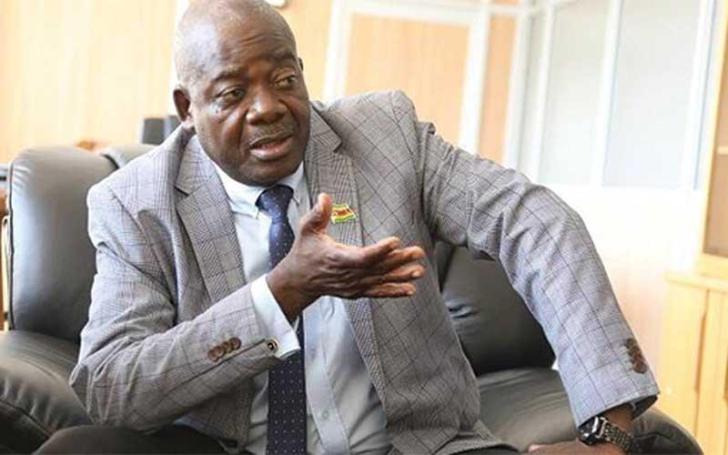
Primary and Secondary Education Minister Torerai Moyo has directed all schools in Zimbabwe to fully implement the Heritage-Based Curriculum (HBC) from next year, warning that institutions which fail to comply risk deregistration and closure.
Addressing delegates at the National Association of Secondary Heads (NASH) annual conference in Victoria Falls, Minister Moyo said implementation of the Heritage-Based Curriculum was mandatory for all schools and formed a cornerstone of Zimbabwe's education transformation agenda and Vision 2030.
"The curriculum is determined by Government. For the vision of the President to be successful, we do it through the power of education, and that is why everyone must implement the Heritage-Based Curriculum," he said.
"Starting next year, every school in this country should implement the Heritage-Based Curriculum, which is aligned with the national vision. Those who do not comply will not be allowed to continue operating."
The minister clarified that the Government was not prohibiting international examination systems such as Cambridge International Education but said they could not replace Zimbabwe's national curriculum.
"Cambridge is welcome, but it cannot substitute the Heritage-Based Curriculum. Every school operating in Zimbabwe must first comply with the national curriculum," he said.
Minister Moyo said the reforms are designed to shift education from an examination-centred system towards one that equips learners with practical skills, innovation, entrepreneurship and problem-solving abilities.
As part of the reforms, he announced that from 2028 every learner will be required to pass at least one indigenous language from Grade Seven through to Advanced Level.
"Every student in this country, come 2028, must have passed an indigenous language of his or her choice. At every level, it is now compulsory," he said.
He said the requirement responds to concerns that some schools have prioritised foreign languages at the expense of Zimbabwe's indigenous languages and cultural heritage.
According to the minister, the Heritage-Based Curriculum seeks to anchor education in Zimbabwe's history, culture and the values of Hunhu/Ubuntu while moving away from aspects of the colonial education system that did not adequately reflect the country's identity.
Minister Moyo said Zimbabwe's education reforms have attracted recognition from the African Union, which has identified the Heritage-Based Education 5.0 model as a potential framework for education transformation across the continent.
The curriculum integrates indigenous knowledge systems with modern education by encouraging learners to identify challenges within their communities and develop practical, locally driven solutions.
The minister said learners are already applying skills acquired in school through projects such as repairing electrical equipment, undertaking motor mechanics work and generating income from vocational activities.
"The objective is to produce job creators rather than job seekers. Schools must utilise locally available resources to nurture innovation, entrepreneurship and problem-solving," he said.
At secondary school level, the curriculum places greater emphasis on vocational and technical education, including agriculture, information and communication technology, engineering-related subjects and physical education, enabling learners to pursue pathways aligned with their interests and career aspirations.
To support implementation, Government is distributing 8,000 Starlink internet connectivity kits to schools across the country under an initiative spearheaded by President Emmerson Mnangagwa to improve digital access.
Minister Moyo said the ministry has also trained more than 500 teachers in coding and robotics and secured US$2 million from UNICEF to procure teaching materials and digital learning resources.
He added that the Zimbabwe Learning Passport, a free online learning platform, is helping expand access to quality educational content, particularly for learners in remote communities.
The minister also revealed that Cambridge International Education has engaged First Lady Dr Auxillia Mnangagwa and officials from the Ministry of Primary and Secondary Education to explore incorporating elements of Zimbabwe's Heritage-Based Education 5.0 philosophy into its international curriculum.
He said Government has completed key preparations for the first public examinations under the Heritage-Based Curriculum, with syllabi and teachers' guides already distributed to schools nationwide.
Addressing delegates at the National Association of Secondary Heads (NASH) annual conference in Victoria Falls, Minister Moyo said implementation of the Heritage-Based Curriculum was mandatory for all schools and formed a cornerstone of Zimbabwe's education transformation agenda and Vision 2030.
"The curriculum is determined by Government. For the vision of the President to be successful, we do it through the power of education, and that is why everyone must implement the Heritage-Based Curriculum," he said.
"Starting next year, every school in this country should implement the Heritage-Based Curriculum, which is aligned with the national vision. Those who do not comply will not be allowed to continue operating."
The minister clarified that the Government was not prohibiting international examination systems such as Cambridge International Education but said they could not replace Zimbabwe's national curriculum.
"Cambridge is welcome, but it cannot substitute the Heritage-Based Curriculum. Every school operating in Zimbabwe must first comply with the national curriculum," he said.
Minister Moyo said the reforms are designed to shift education from an examination-centred system towards one that equips learners with practical skills, innovation, entrepreneurship and problem-solving abilities.
As part of the reforms, he announced that from 2028 every learner will be required to pass at least one indigenous language from Grade Seven through to Advanced Level.
"Every student in this country, come 2028, must have passed an indigenous language of his or her choice. At every level, it is now compulsory," he said.
He said the requirement responds to concerns that some schools have prioritised foreign languages at the expense of Zimbabwe's indigenous languages and cultural heritage.
Minister Moyo said Zimbabwe's education reforms have attracted recognition from the African Union, which has identified the Heritage-Based Education 5.0 model as a potential framework for education transformation across the continent.
The curriculum integrates indigenous knowledge systems with modern education by encouraging learners to identify challenges within their communities and develop practical, locally driven solutions.
The minister said learners are already applying skills acquired in school through projects such as repairing electrical equipment, undertaking motor mechanics work and generating income from vocational activities.
"The objective is to produce job creators rather than job seekers. Schools must utilise locally available resources to nurture innovation, entrepreneurship and problem-solving," he said.
At secondary school level, the curriculum places greater emphasis on vocational and technical education, including agriculture, information and communication technology, engineering-related subjects and physical education, enabling learners to pursue pathways aligned with their interests and career aspirations.
To support implementation, Government is distributing 8,000 Starlink internet connectivity kits to schools across the country under an initiative spearheaded by President Emmerson Mnangagwa to improve digital access.
Minister Moyo said the ministry has also trained more than 500 teachers in coding and robotics and secured US$2 million from UNICEF to procure teaching materials and digital learning resources.
He added that the Zimbabwe Learning Passport, a free online learning platform, is helping expand access to quality educational content, particularly for learners in remote communities.
The minister also revealed that Cambridge International Education has engaged First Lady Dr Auxillia Mnangagwa and officials from the Ministry of Primary and Secondary Education to explore incorporating elements of Zimbabwe's Heritage-Based Education 5.0 philosophy into its international curriculum.
He said Government has completed key preparations for the first public examinations under the Heritage-Based Curriculum, with syllabi and teachers' guides already distributed to schools nationwide.
Source - The Chronicle
Join the discussion
Loading comments…





