News / National
Zambia election dispute sparks democracy debate
26 Aug 2026 at 10:14hrs |
0 Views
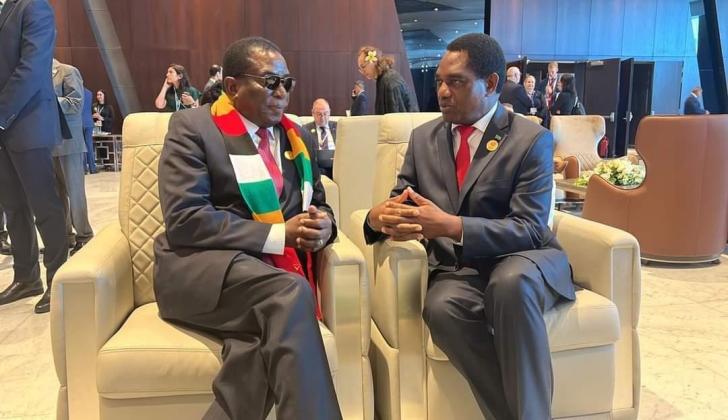
Zambia's disputed presidential election has triggered renewed concerns over access to justice, the independence of institutions and the use of State power after the opposition accused President Hakainde Hichilema and the ruling United Party for National Development (UPND) of obstructing its attempt to challenge the election result.
The opposition maintains that it was entitled to file a presidential election petition within the constitutionally prescribed seven-day period following the declaration of results by the Electoral Commission of Zambia (ECZ).
According to the allegations, the opposition intended to lodge its petition on the final day of that period, only to find the courts closed and surrounded by soldiers. Court officials were also reportedly instructed not to report for duty.
The development has sparked criticism from opponents of the Hichilema administration, who argue that a litigant cannot be faulted for exercising a legal right on any day within a prescribed filing period.
They argue that preparing a presidential election petition requires substantial work, including gathering evidence, examining polling-station results, interviewing witnesses and compiling legal arguments, making it unreasonable to expect an opposition party to file immediately after results are announced.
The controversy was further complicated by claims surrounding electronic filing.
The opposition reportedly maintained that the electronic filing system was not functioning and that applicable court rules required the petition to be lodged physically at the Constitutional Court Registry.
With the courts closed and court personnel unavailable, the opposition's lawyers subsequently emailed the petition documents to the Chief Justice.
The Chief Justice has acknowledged receiving the documents and reportedly described the method of transmission as highly irregular. However, he exercised his administrative powers by referring the documents to the Constitutional Court to determine whether they could be accepted as properly filed.
This has created a legal and political dispute over whether the opposition succeeded in filing its petition within the prescribed period.
Critics of the Government argue that the matter should be determined by the Constitutional Court before any inauguration proceeds, rather than being resolved through political declarations that no petition was received.
The dispute has also generated wider debate over the role of the military in Zambia's electoral process and the independence of State institutions.
The opposition has accused the Government of interfering with the electoral process, including the counting and announcement of results, allegations that the authorities have rejected.
There have also been allegations surrounding the death of former Cabinet minister Mutotwe Kafwaya during the election period, although claims about the circumstances and responsibility for his death require careful verification and should not be presented as established fact without supporting evidence.
At the heart of the controversy is a broader question: can an election be regarded as fully credible if an aggrieved candidate is unable to obtain meaningful access to the courts to challenge the result?
Critics argue that the right to challenge an election is meaningless if administrative or security measures prevent a litigant from accessing the institution empowered to hear the dispute.
The controversy has also exposed what critics describe as inconsistent standards in the international response to democratic backsliding on the continent.
They argue that abuses should be condemned consistently, regardless of whether the government responsible is politically popular with Western governments, regional organisations or international commentators.
The argument extends beyond Zambia.
Critics of selective condemnation say African democracy cannot be defended effectively if citizens and political actors apply different standards to governments depending on whether they support or oppose those governments.
Zimbabwe and Zambia have frequently been compared in discussions about elections, military involvement in politics, judicial independence and opposition rights. Critics contend that conduct condemned when associated with President Emmerson Mnangagwa's administration should attract the same scrutiny when allegations are made against Hichilema's government.
However, accusations that Hichilema is a "dictator" or that his administration deliberately blocked a legitimate election petition remain political characterisations unless established through credible evidence and judicial findings.
The Constitutional Court's determination of the filing dispute is therefore potentially critical.
If the court finds that the opposition's documents were properly filed within the constitutional period, the substantive election challenge could proceed. If it finds otherwise, the opposition would face a significant legal setback.
The episode nevertheless raises important questions about the protection of electoral disputes and access to justice.
For democratic systems to retain public confidence, election results must not only be credible but must also be capable of being challenged through independent institutions when credible allegations of irregularities arise.
Ultimately, the strength of Zambia's democracy will be tested not simply by who won the election, but by whether institutions allow the electoral dispute to be resolved transparently, lawfully and without political or security interference.
The opposition maintains that it was entitled to file a presidential election petition within the constitutionally prescribed seven-day period following the declaration of results by the Electoral Commission of Zambia (ECZ).
According to the allegations, the opposition intended to lodge its petition on the final day of that period, only to find the courts closed and surrounded by soldiers. Court officials were also reportedly instructed not to report for duty.
The development has sparked criticism from opponents of the Hichilema administration, who argue that a litigant cannot be faulted for exercising a legal right on any day within a prescribed filing period.
They argue that preparing a presidential election petition requires substantial work, including gathering evidence, examining polling-station results, interviewing witnesses and compiling legal arguments, making it unreasonable to expect an opposition party to file immediately after results are announced.
The controversy was further complicated by claims surrounding electronic filing.
The opposition reportedly maintained that the electronic filing system was not functioning and that applicable court rules required the petition to be lodged physically at the Constitutional Court Registry.
With the courts closed and court personnel unavailable, the opposition's lawyers subsequently emailed the petition documents to the Chief Justice.
The Chief Justice has acknowledged receiving the documents and reportedly described the method of transmission as highly irregular. However, he exercised his administrative powers by referring the documents to the Constitutional Court to determine whether they could be accepted as properly filed.
This has created a legal and political dispute over whether the opposition succeeded in filing its petition within the prescribed period.
Critics of the Government argue that the matter should be determined by the Constitutional Court before any inauguration proceeds, rather than being resolved through political declarations that no petition was received.
The dispute has also generated wider debate over the role of the military in Zambia's electoral process and the independence of State institutions.
The opposition has accused the Government of interfering with the electoral process, including the counting and announcement of results, allegations that the authorities have rejected.
At the heart of the controversy is a broader question: can an election be regarded as fully credible if an aggrieved candidate is unable to obtain meaningful access to the courts to challenge the result?
Critics argue that the right to challenge an election is meaningless if administrative or security measures prevent a litigant from accessing the institution empowered to hear the dispute.
The controversy has also exposed what critics describe as inconsistent standards in the international response to democratic backsliding on the continent.
They argue that abuses should be condemned consistently, regardless of whether the government responsible is politically popular with Western governments, regional organisations or international commentators.
The argument extends beyond Zambia.
Critics of selective condemnation say African democracy cannot be defended effectively if citizens and political actors apply different standards to governments depending on whether they support or oppose those governments.
Zimbabwe and Zambia have frequently been compared in discussions about elections, military involvement in politics, judicial independence and opposition rights. Critics contend that conduct condemned when associated with President Emmerson Mnangagwa's administration should attract the same scrutiny when allegations are made against Hichilema's government.
However, accusations that Hichilema is a "dictator" or that his administration deliberately blocked a legitimate election petition remain political characterisations unless established through credible evidence and judicial findings.
The Constitutional Court's determination of the filing dispute is therefore potentially critical.
If the court finds that the opposition's documents were properly filed within the constitutional period, the substantive election challenge could proceed. If it finds otherwise, the opposition would face a significant legal setback.
The episode nevertheless raises important questions about the protection of electoral disputes and access to justice.
For democratic systems to retain public confidence, election results must not only be credible but must also be capable of being challenged through independent institutions when credible allegations of irregularities arise.
Ultimately, the strength of Zambia's democracy will be tested not simply by who won the election, but by whether institutions allow the electoral dispute to be resolved transparently, lawfully and without political or security interference.
Source - online
Join the discussion
Loading comments…



