Opinion / Columnist
Zimbabwe Should Abolish School Examination Fees
16 Sep 2026 at 05:21hrs |
642 Views
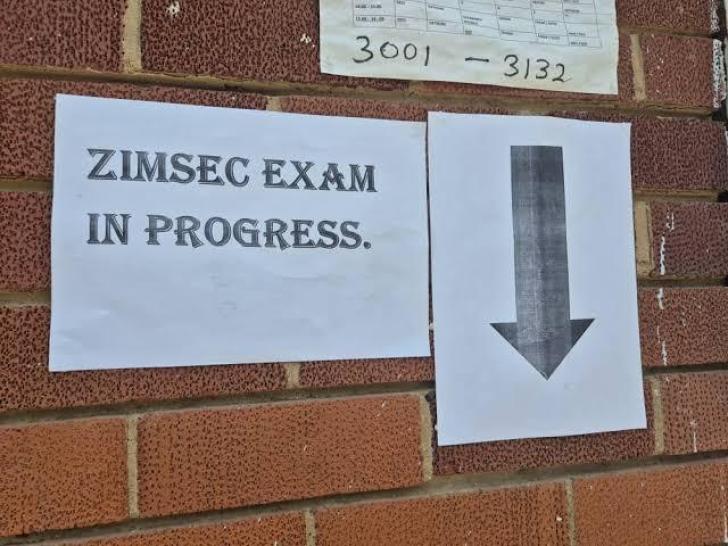
Did you know that parents in Zimbabwe are required to pay examination fees for their children to sit national examinations? At a time when the Government is talking about reducing the cost of doing business by removing or reducing licence fees, it is time to ask a similar question: why are we still charging children to sit examinations?
Zimbabwe School Examinations Council (ZIMSEC) examinations are a fundamental part of the public education system. They are not a luxury or an optional service. A child who has spent years attending school should not face another financial barrier simply to sit for a national examination.
The Government already subsidises examination fees for candidates in public schools. For the 2026 Ordinary and Advanced Level November examinations, the Government confirmed that it would continue subsidising fees for pupils in public, local-authority and mission schools. But if Government can afford a subsidy, why not go the final step and make the examinations completely free?
We should also recognise that examination fees do not affect wealthy and poor families equally. For a family with several children writing examinations, even relatively small charges can become a significant financial burden. Education should be about ability and opportunity, not the ability of parents to pay an examination charge.
If Government wants to reduce the cost of doing business and stimulate economic activity, it should apply the same philosophy to education. The biggest investment Zimbabwe can make is in its children.
I therefore propose that Government abolish ZIMSEC examination fees for pupils in public schools. The cost of administering examinations should be treated as part of the national education budget, just as the Government funds schools, teachers and other essential public services.
Remove the barriers. Let every Zimbabwean child sit for their examinations regardless of their parents’ financial circumstances. Education is a national investment, not a revenue-collection exercise.
Engineer Jacob Kudzayi Mutisi
Zimbabwe School Examinations Council (ZIMSEC) examinations are a fundamental part of the public education system. They are not a luxury or an optional service. A child who has spent years attending school should not face another financial barrier simply to sit for a national examination.
The Government already subsidises examination fees for candidates in public schools. For the 2026 Ordinary and Advanced Level November examinations, the Government confirmed that it would continue subsidising fees for pupils in public, local-authority and mission schools. But if Government can afford a subsidy, why not go the final step and make the examinations completely free?
We should also recognise that examination fees do not affect wealthy and poor families equally. For a family with several children writing examinations, even relatively small charges can become a significant financial burden. Education should be about ability and opportunity, not the ability of parents to pay an examination charge.
If Government wants to reduce the cost of doing business and stimulate economic activity, it should apply the same philosophy to education. The biggest investment Zimbabwe can make is in its children.
I therefore propose that Government abolish ZIMSEC examination fees for pupils in public schools. The cost of administering examinations should be treated as part of the national education budget, just as the Government funds schools, teachers and other essential public services.
Remove the barriers. Let every Zimbabwean child sit for their examinations regardless of their parents’ financial circumstances. Education is a national investment, not a revenue-collection exercise.
Engineer Jacob Kudzayi Mutisi
Source - Engineer Jacob Kudzayi Mutisi
All articles and letters published on Bulawayo24 have been independently written by members of Bulawayo24's community. The views of users published on Bulawayo24 are therefore their own and do not necessarily represent the views of Bulawayo24. Bulawayo24 editors also reserve the right to edit or delete any and all comments received.
Join the discussion
Loading comments…



