News / National
Zimbabwe's 'bumper maize harvest' that never was
03 Dec 2025 at 07:44hrs |
0 Views
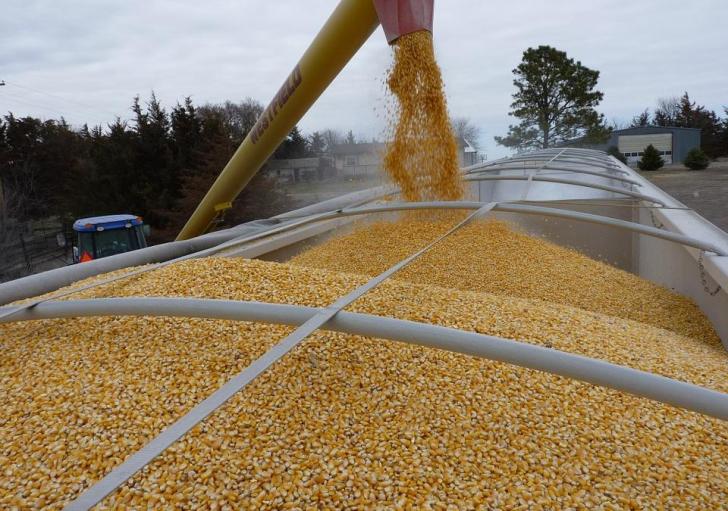
Zimbabwe's maize market has been thrown into disarray, just weeks after the government imposed a ban on imports citing a record 2024-25 harvest. In late August, authorities announced the ban, asserting that the country had produced 2.3 million metric tonnes of maize—enough to cover annual consumption and stockfeed requirements while creating a market for local farmers.
At the time, the Agriculture Ministry's Second Round of Crops, Livestock and Fisheries Assessment (CLA-FA2) Report highlighted a 261% increase in production compared to the previous season, when drought had devastated yields. Officials projected a surplus ranging from 811,722 to 1.229 million tonnes, depending on consumption patterns. "We must protect local purchases from our local farmers," said Obert Jiri, Permanent Secretary in the Agriculture Ministry, when announcing the ban.
However, barely three weeks later, the reality on the ground painted a starkly different picture. Blue Ribbon Foods, one of the country's major millers, announced the closure of its Bulawayo plant due to critical maize shortages. Other members of the Grain Millers Association of Zimbabwe (GMAZ) confirmed similar challenges.
Several factors contributed to the scarcity. Despite the reported ‘bumper harvest,' poor rains, disruptions caused by agrarian reforms, and low farmer morale stemming from inordinate payment delays by the Grain Marketing Board (GMB) limited the availability of maize. In some cases, the parastatal even seized grain from reluctant farmers who had not received timely payment.
This year, the GMB was instructed to purchase maize only from farmers under government-supported programs to build strategic reserves, leaving the rest of the crop to be traded privately through the Zimbabwe Mercantile Exchange (ZMX). The shift in policy created bottlenecks for millers seeking to source maize.
Initially, the government accused millers of preferring cheaper imports over local produce, claiming that the market was abundant. Farmers, however, reported difficulties in selling their grain under the new arrangements. "We have observed that farmers have grain, but because GMB is no longer playing its traditional aggregation role, they are stuck with it," said Paul Zakariya, Secretary-General of the Zimbabwe Farmers' Union (ZFU).
Weeks of confusion followed, with authorities first blaming farmers for withholding grain, then citing changing consumption patterns, such as street-roasting of green maize, for creating artificial shortages. Eventually, the government acknowledged the problem and lifted the import ban.
The post-harvest assessment, the CLA-FA3 report, revealed a significant gap between initial estimates and actual harvest. While the CLA-FA2 had estimated 2.3 million tonnes, the PHS indicated the total harvest was just over 1.8 million tonnes. Of this, 279,448 tonnes were consumed between April and August 2025, 1,064,510 tonnes remained in stock, and 475,861 tonnes were attributed to sales and post-harvest losses. This represented a 23% shortfall from earlier projections, explaining the sudden scarcity in the market.
The maize shortage underscores systemic challenges in Zimbabwe's agricultural sector, from supply chain inefficiencies and delayed payments to policy shifts and post-harvest losses. While authorities continue to assess the situation, millers and consumers are left navigating the consequences of the unexpected deficit.
At the time, the Agriculture Ministry's Second Round of Crops, Livestock and Fisheries Assessment (CLA-FA2) Report highlighted a 261% increase in production compared to the previous season, when drought had devastated yields. Officials projected a surplus ranging from 811,722 to 1.229 million tonnes, depending on consumption patterns. "We must protect local purchases from our local farmers," said Obert Jiri, Permanent Secretary in the Agriculture Ministry, when announcing the ban.
However, barely three weeks later, the reality on the ground painted a starkly different picture. Blue Ribbon Foods, one of the country's major millers, announced the closure of its Bulawayo plant due to critical maize shortages. Other members of the Grain Millers Association of Zimbabwe (GMAZ) confirmed similar challenges.
Several factors contributed to the scarcity. Despite the reported ‘bumper harvest,' poor rains, disruptions caused by agrarian reforms, and low farmer morale stemming from inordinate payment delays by the Grain Marketing Board (GMB) limited the availability of maize. In some cases, the parastatal even seized grain from reluctant farmers who had not received timely payment.
Initially, the government accused millers of preferring cheaper imports over local produce, claiming that the market was abundant. Farmers, however, reported difficulties in selling their grain under the new arrangements. "We have observed that farmers have grain, but because GMB is no longer playing its traditional aggregation role, they are stuck with it," said Paul Zakariya, Secretary-General of the Zimbabwe Farmers' Union (ZFU).
Weeks of confusion followed, with authorities first blaming farmers for withholding grain, then citing changing consumption patterns, such as street-roasting of green maize, for creating artificial shortages. Eventually, the government acknowledged the problem and lifted the import ban.
The post-harvest assessment, the CLA-FA3 report, revealed a significant gap between initial estimates and actual harvest. While the CLA-FA2 had estimated 2.3 million tonnes, the PHS indicated the total harvest was just over 1.8 million tonnes. Of this, 279,448 tonnes were consumed between April and August 2025, 1,064,510 tonnes remained in stock, and 475,861 tonnes were attributed to sales and post-harvest losses. This represented a 23% shortfall from earlier projections, explaining the sudden scarcity in the market.
The maize shortage underscores systemic challenges in Zimbabwe's agricultural sector, from supply chain inefficiencies and delayed payments to policy shifts and post-harvest losses. While authorities continue to assess the situation, millers and consumers are left navigating the consequences of the unexpected deficit.
Source - Newsday
Join the discussion
Loading comments…





