News / National
Convicted army officer loses Supreme Court appeal
28 Jan 2026 at 06:49hrs |
0 Views
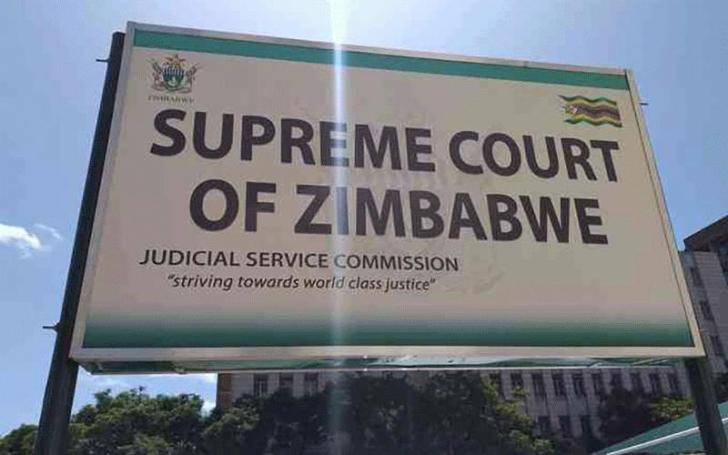
The Supreme Court has dismissed an appeal by Lawyers Nyaruwata, a senior Zimbabwe National Army officer formerly attached to 2 Engineers Squadron, who was convicted by a general court martial and sentenced to five years' imprisonment after being cashiered from the army.
A bench comprising Justices Samuel Kudya, Joseph Musakwa and Susan Mavangira ruled that Nyaruwata's appeal was devoid of merit and upheld both his conviction and sentence.
Nyaruwata was convicted of criminal abuse of duty as a public officer after unlawfully withdrawing soldiers deployed on secondment at Rusununguko High School in Mudzi and Gozi Primary School in Hwedza between September and November 2017. The withdrawals were effected without authorisation from command headquarters.
Evidence before the court-martial showed that Nyaruwata solicited money from Members of Parliament in the two constituencies and used the funds for personal purposes, including buying a vehicle and paying his daughter's university fees. The MPs were also made to pay trade test fees for some of the soldiers under his command.
When the legislators stopped providing the funds, Nyaruwata allegedly retaliated by withdrawing the troops from the projects to pressure them into continued compliance.
He pleaded not guilty and raised a special plea of prescription in relation to allegations linked to the purchase of his vehicle and payment of his daughter's fees. Nyaruwata argued that the alleged donations occurred on or before September 20, 2016, and had therefore prescribed under section 46(4) of the Defence Act, which bars prosecution after three years.
He further argued that, in terms of section 30(1) of the Defence Forces Courts Martial Procedure Regulations of 1956, the court-martial lacked jurisdiction due to the lapse of time.
The general court martial upheld his plea of prescription in respect of the monetary demands but allowed the State to proceed on the charge relating to the unauthorised withdrawal of troops.
The prosecution led evidence from eight witnesses, including Hwedza North MP David Musabayana, who testified that Nyaruwata requested money purportedly to assist troops with trade tests. Musabayana said he stopped sending funds after realising the money was being used for personal benefit, prompting threats that the soldiers would be withdrawn.
He told the court that when he later visited the site with food for the troops, they had already been withdrawn despite building materials still being available. He said Nyaruwata had falsely claimed that there were no materials on site.
Sergeant Babvu, who served under Nyaruwata, corroborated this evidence, testifying that building materials were still present when the troops were withdrawn.
Lieutenant Colonel KG Manhimanzi also testified that only the commander could authorise troop withdrawals and that no such order had been issued at the time. Other public officers confirmed that Nyaruwata had communicated that the withdrawal was due to a shortage of materials.
Mudzi East MP Jonathan Samkange told the court that he had given Nyaruwata money for a personal vehicle and his daughter's fees, as well as paying trade test fees for the soldiers. He said he stopped providing funds when Nyaruwata's demands became persistent.
After discovering that the troops had been withdrawn, Samkange and Musabayana reported the matter to Brigadier General Fidelis Mhonda. Mhonda testified that while he had later authorised the withdrawal, he did so after being misled by Nyaruwata and only learned of the earlier threats and solicitations through the MPs.
In his defence, Nyaruwata claimed the withdrawal was due to trade tests and a lack of building materials. He denied demanding money, saying any assistance from the MPs was given voluntarily and out of goodwill.
The court-martial found that although authorisation for withdrawal was eventually obtained, it was based on misinformation. It ruled that Nyaruwata had abused his office by threatening the MPs with troop withdrawal unless his monetary demands were met.
Challenging the ruling, Nyaruwata appealed to the Supreme Court, arguing that the court-martial had erred in law. However, after considering submissions from both sides, the apex court dismissed the appeal, confirming the conviction and sentence.
A bench comprising Justices Samuel Kudya, Joseph Musakwa and Susan Mavangira ruled that Nyaruwata's appeal was devoid of merit and upheld both his conviction and sentence.
Nyaruwata was convicted of criminal abuse of duty as a public officer after unlawfully withdrawing soldiers deployed on secondment at Rusununguko High School in Mudzi and Gozi Primary School in Hwedza between September and November 2017. The withdrawals were effected without authorisation from command headquarters.
Evidence before the court-martial showed that Nyaruwata solicited money from Members of Parliament in the two constituencies and used the funds for personal purposes, including buying a vehicle and paying his daughter's university fees. The MPs were also made to pay trade test fees for some of the soldiers under his command.
When the legislators stopped providing the funds, Nyaruwata allegedly retaliated by withdrawing the troops from the projects to pressure them into continued compliance.
He pleaded not guilty and raised a special plea of prescription in relation to allegations linked to the purchase of his vehicle and payment of his daughter's fees. Nyaruwata argued that the alleged donations occurred on or before September 20, 2016, and had therefore prescribed under section 46(4) of the Defence Act, which bars prosecution after three years.
He further argued that, in terms of section 30(1) of the Defence Forces Courts Martial Procedure Regulations of 1956, the court-martial lacked jurisdiction due to the lapse of time.
The general court martial upheld his plea of prescription in respect of the monetary demands but allowed the State to proceed on the charge relating to the unauthorised withdrawal of troops.
The prosecution led evidence from eight witnesses, including Hwedza North MP David Musabayana, who testified that Nyaruwata requested money purportedly to assist troops with trade tests. Musabayana said he stopped sending funds after realising the money was being used for personal benefit, prompting threats that the soldiers would be withdrawn.
He told the court that when he later visited the site with food for the troops, they had already been withdrawn despite building materials still being available. He said Nyaruwata had falsely claimed that there were no materials on site.
Sergeant Babvu, who served under Nyaruwata, corroborated this evidence, testifying that building materials were still present when the troops were withdrawn.
Lieutenant Colonel KG Manhimanzi also testified that only the commander could authorise troop withdrawals and that no such order had been issued at the time. Other public officers confirmed that Nyaruwata had communicated that the withdrawal was due to a shortage of materials.
Mudzi East MP Jonathan Samkange told the court that he had given Nyaruwata money for a personal vehicle and his daughter's fees, as well as paying trade test fees for the soldiers. He said he stopped providing funds when Nyaruwata's demands became persistent.
After discovering that the troops had been withdrawn, Samkange and Musabayana reported the matter to Brigadier General Fidelis Mhonda. Mhonda testified that while he had later authorised the withdrawal, he did so after being misled by Nyaruwata and only learned of the earlier threats and solicitations through the MPs.
In his defence, Nyaruwata claimed the withdrawal was due to trade tests and a lack of building materials. He denied demanding money, saying any assistance from the MPs was given voluntarily and out of goodwill.
The court-martial found that although authorisation for withdrawal was eventually obtained, it was based on misinformation. It ruled that Nyaruwata had abused his office by threatening the MPs with troop withdrawal unless his monetary demands were met.
Challenging the ruling, Nyaruwata appealed to the Supreme Court, arguing that the court-martial had erred in law. However, after considering submissions from both sides, the apex court dismissed the appeal, confirming the conviction and sentence.
Source - Newsday
Join the discussion
Loading comments…





