News / National
Restoration of King Lobengula's capital faces delays
13 Feb 2026 at 09:51hrs |
0 Views
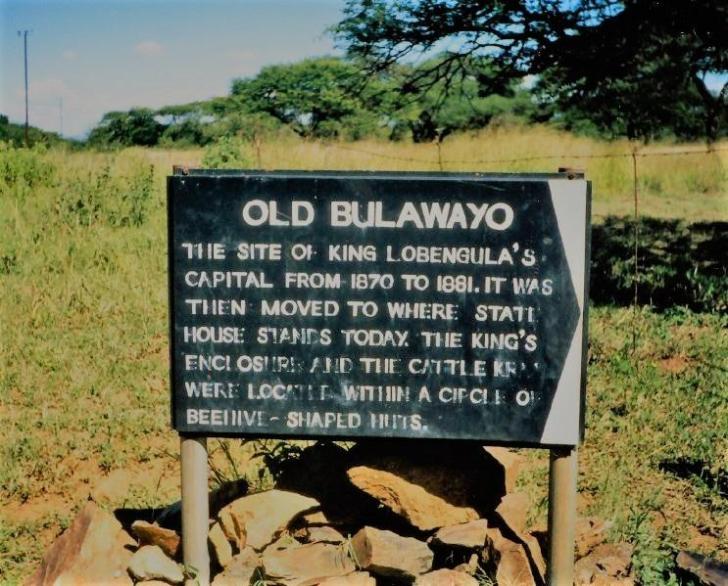
The rehabilitation of Old Bulawayo, the historic capital of King Lobengula, is progressing slowly due to financial constraints, officials have confirmed.
The site, which was devastated by fire in 2010, has seen some reconstruction work, including the rebuilding of the King's palace and partial erection of the kraal, but the project remains incomplete.
Paul Mupfira, regional director of the National Museums and Monuments of Zimbabwe (NMMZ), said:
"We have only managed to secure funds for the palisade fence and materials to refurbish the museum. All I can say is that progress on the project has been slow."
Reports from 2025 indicate that some stakeholders who had pledged support for the project failed to deliver, resulting in a shortage of materials.
Despite the challenges, there has been progress: the first beehive structure has been completed, and road maintenance has been carried out in collaboration with the Tourism and Hospitality Industry ministry and the Zimbabwe Parks and Wildlife Management Authority.
Old Bulawayo was founded by King Lobengula in 1870, following the death of his father, King Mzilikazi, in 1868. Its layout reflects the rich heritage of the Ndebele people. In 1881, after 11 years at the site, Lobengula moved his capital to modern-day Bulawayo and ordered the destruction of the old settlement by fire.
The NMMZ identified the site as suitable for an educational and tourist centre in 1990, and it was reconstructed as a theme park in 1998. The ongoing rehabilitation aims to preserve this historic site for future generations while boosting heritage tourism.
The site, which was devastated by fire in 2010, has seen some reconstruction work, including the rebuilding of the King's palace and partial erection of the kraal, but the project remains incomplete.
Paul Mupfira, regional director of the National Museums and Monuments of Zimbabwe (NMMZ), said:
"We have only managed to secure funds for the palisade fence and materials to refurbish the museum. All I can say is that progress on the project has been slow."
Reports from 2025 indicate that some stakeholders who had pledged support for the project failed to deliver, resulting in a shortage of materials.
Despite the challenges, there has been progress: the first beehive structure has been completed, and road maintenance has been carried out in collaboration with the Tourism and Hospitality Industry ministry and the Zimbabwe Parks and Wildlife Management Authority.
Old Bulawayo was founded by King Lobengula in 1870, following the death of his father, King Mzilikazi, in 1868. Its layout reflects the rich heritage of the Ndebele people. In 1881, after 11 years at the site, Lobengula moved his capital to modern-day Bulawayo and ordered the destruction of the old settlement by fire.
The NMMZ identified the site as suitable for an educational and tourist centre in 1990, and it was reconstructed as a theme park in 1998. The ongoing rehabilitation aims to preserve this historic site for future generations while boosting heritage tourism.
Source - Southern Eye
Join the discussion
Loading comments…


