News / National
Insisting on a referendum devoid of a legal basis, says AG
08 Apr 2026 at 10:34hrs |
0 Views
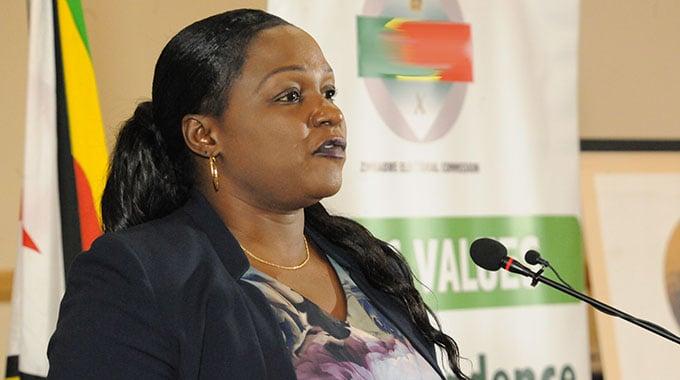
Attorney-General Mrs Virginia Mabiza has dismissed calls for a referendum on the proposed constitutional changes, saying the demands have no legal basis and are driven by political considerations rather than constitutional requirements.
In an interview, Mrs Mabiza said the Constitution clearly defines the limited circumstances under which a referendum is required, and argued that the current amendments do not meet that threshold.
She cited Section 328(6), which she said restricts referendums to amendments affecting Chapter 4 (the Declaration of Rights), Chapter 16 (Agricultural Land), or Section 328 itself.
"Section 328(6) is deliberate and precise in that it reserves the ultimate democratic veto — the national referendum — for only three narrowly defined categories of amendment," she said, adding that all other amendments require only a two-thirds majority in Parliament before presidential assent.
Mrs Mabiza said Constitutional Amendment No. 3 of 2026 does not affect any of the protected provisions and therefore does not trigger a referendum requirement.
"I should emphasise that the constitutional basis for proceeding without a referendum is neither an option nor a loophole… Any insistence on a referendum, given the current scenario, is devoid of any meaningful legal basis and logic," she said.
She added that constitutional provisions must be interpreted as enacted and cautioned against what she described as politicisation of legal processes.
Debate over the proposed amendments has intensified in recent weeks, with some stakeholders arguing that the changes should be subjected to broader public approval through a referendum.
Justice, Legal and Parliamentary Affairs Minister Ziyambi Ziyambi echoed the Attorney-General's position, saying the 2013 Constitution already set out clear safeguards on when referendums are required.
He said the Constitution limits referendums to the three specified areas and that the current Bill does not fall within those categories, meaning a two-thirds parliamentary majority is sufficient for adoption.
In an interview, Mrs Mabiza said the Constitution clearly defines the limited circumstances under which a referendum is required, and argued that the current amendments do not meet that threshold.
She cited Section 328(6), which she said restricts referendums to amendments affecting Chapter 4 (the Declaration of Rights), Chapter 16 (Agricultural Land), or Section 328 itself.
"Section 328(6) is deliberate and precise in that it reserves the ultimate democratic veto — the national referendum — for only three narrowly defined categories of amendment," she said, adding that all other amendments require only a two-thirds majority in Parliament before presidential assent.
Mrs Mabiza said Constitutional Amendment No. 3 of 2026 does not affect any of the protected provisions and therefore does not trigger a referendum requirement.
"I should emphasise that the constitutional basis for proceeding without a referendum is neither an option nor a loophole… Any insistence on a referendum, given the current scenario, is devoid of any meaningful legal basis and logic," she said.
She added that constitutional provisions must be interpreted as enacted and cautioned against what she described as politicisation of legal processes.
Debate over the proposed amendments has intensified in recent weeks, with some stakeholders arguing that the changes should be subjected to broader public approval through a referendum.
Justice, Legal and Parliamentary Affairs Minister Ziyambi Ziyambi echoed the Attorney-General's position, saying the 2013 Constitution already set out clear safeguards on when referendums are required.
He said the Constitution limits referendums to the three specified areas and that the current Bill does not fall within those categories, meaning a two-thirds parliamentary majority is sufficient for adoption.
Source - The Herald
Join the discussion
Loading comments…



