News / National
CAB3 debate sparks intimidation claims
07 Jun 2026 at 15:07hrs |
0 Views
Opposition legislators and civil society activists have raised fresh concerns over the handling of debate on the Constitution of Zimbabwe Amendment Bill (No. 3), alleging intimidation, procedural bias and attempts to silence dissenting voices as Parliament moves closer to a vote on the controversial legislation.
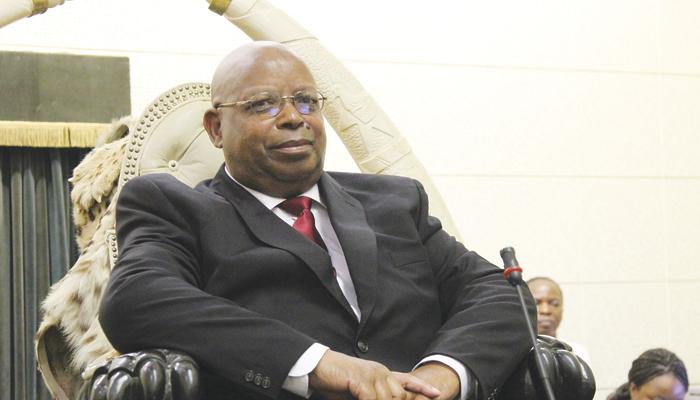
The tensions surfaced during proceedings in the National Assembly yesterday, where opposition MPs accused Speaker Jacob Mudenda of denying them opportunities to contribute to debate on the Bill while repeatedly recognising ruling party legislators.
The proposed constitutional amendments, commonly known as CAB3, have triggered intense political and legal debate because of provisions that critics say would significantly alter Zimbabwe's constitutional framework without a national referendum.
Parliament has suspended other business to focus exclusively on the Bill, with debate expected to continue today before lawmakers move toward a vote requiring a two-thirds majority.
Throughout the debate, opposition MPs complained that they were being overlooked despite indicating a desire to contribute to proceedings.
Legislators from the Citizens Coalition for Change (CCC) also accused self-styled secretary-general Sengezo Tshabangu of excluding MPs opposed to the Bill from lists of speakers submitted to parliamentary authorities.
The allegations fuelled claims that dissenting views were being marginalised during one of the most consequential constitutional debates since the adoption of Zimbabwe's 2013 Constitution.
Several opposition lawmakers argued that the atmosphere inside Parliament resembled recent public consultation meetings on the Bill, which were criticised by some civil society groups and opposition parties for allegedly favouring supporters of the amendments.
Former CCC leader Nelson Chamisa said the constitutional amendment process had lost credibility because of the manner in which it was being conducted.
"You don't expect credibility from a discredited institution. You can't expect a promise from a compromised institution. An illegitimate process cannot produce legitimacy," Chamisa said.
He further argued that some legislators were not in a position to objectively assess the proposed amendments because they stood to benefit from them.
"There has been contamination, corruption and pollution of most of our MPs through being given trinkets, money, farms, mines, vehicles and various promises. That contaminates their objectivity," he said.
Chamisa also invoked the legal principle of nemo judex in causa sua - which holds that no one should be a judge in their own case - arguing that lawmakers should not determine matters from which they may personally benefit.
Constitutional lawyer Lovemore Madhuku also criticised the conduct of parliamentary proceedings, accusing Mudenda of failing to act impartially.
"I warned people that Mudenda was just a secretary-general of Zanu-PF," Madhuku said.
"There is nothing like a list of those who should debate. Chief whips are not there for the purpose of deciding who should speak or should not speak."
According to Madhuku, the authority to recognise speakers rests solely with the Speaker and should not be delegated to party structures.
Mudenda has not publicly responded to the criticism.
Outside Parliament, concerns escalated after two activists involved in campaigns against the Bill reported receiving threats.
Human rights activist Youngerson Matete, who recently approached the courts seeking to halt parliamentary proceedings on the Bill, said he received a bullet delivered to his residence together with a message urging him to withdraw his legal challenge.
Matete said the incident would not deter him from pursuing the matter.
His application seeks to stop Parliament from proceeding with the Bill on the grounds that certain proposed amendments require approval through a national referendum.
The respondents in the case include Parliament, President Emmerson Mnangagwa, the Ministry of Justice, the Zimbabwe Electoral Commission and the Attorney-General's Office.
Meanwhile, Joelson Mugari, who is organising a planned demonstration against CAB3, said he received an anonymous telephone call threatening him with imprisonment or death should he proceed with mobilisation efforts.
"The caller was very direct," Mugari said.
He also claimed that police officers recently visited his residence, although he said no reason was provided for the visit.
National police spokesperson Paul Nyathi said authorities had not received official reports regarding the alleged threats.
Nyathi encouraged anyone who receives threatening messages or experiences intimidation to report the matter to the nearest police station so investigations can be conducted.
The controversy comes as Parliament edges toward a vote on CAB3, which proposes several significant constitutional changes, including reforms to governance structures, electoral processes and institutional arrangements.
Supporters of the Bill argue that the amendments will improve governance, policy continuity and institutional efficiency, while opponents contend that they weaken democratic safeguards and alter fundamental constitutional provisions without direct approval from voters.
If approved by a two-thirds majority in both the National Assembly and Senate, the Bill will be submitted to President Mnangagwa for assent, paving the way for some of the most substantial constitutional changes since the enactment of the 2013 Constitution.
The tensions surfaced during proceedings in the National Assembly yesterday, where opposition MPs accused Speaker Jacob Mudenda of denying them opportunities to contribute to debate on the Bill while repeatedly recognising ruling party legislators.
The proposed constitutional amendments, commonly known as CAB3, have triggered intense political and legal debate because of provisions that critics say would significantly alter Zimbabwe's constitutional framework without a national referendum.
Parliament has suspended other business to focus exclusively on the Bill, with debate expected to continue today before lawmakers move toward a vote requiring a two-thirds majority.
Throughout the debate, opposition MPs complained that they were being overlooked despite indicating a desire to contribute to proceedings.
Legislators from the Citizens Coalition for Change (CCC) also accused self-styled secretary-general Sengezo Tshabangu of excluding MPs opposed to the Bill from lists of speakers submitted to parliamentary authorities.
The allegations fuelled claims that dissenting views were being marginalised during one of the most consequential constitutional debates since the adoption of Zimbabwe's 2013 Constitution.
Several opposition lawmakers argued that the atmosphere inside Parliament resembled recent public consultation meetings on the Bill, which were criticised by some civil society groups and opposition parties for allegedly favouring supporters of the amendments.
Former CCC leader Nelson Chamisa said the constitutional amendment process had lost credibility because of the manner in which it was being conducted.
"You don't expect credibility from a discredited institution. You can't expect a promise from a compromised institution. An illegitimate process cannot produce legitimacy," Chamisa said.
He further argued that some legislators were not in a position to objectively assess the proposed amendments because they stood to benefit from them.
"There has been contamination, corruption and pollution of most of our MPs through being given trinkets, money, farms, mines, vehicles and various promises. That contaminates their objectivity," he said.
Chamisa also invoked the legal principle of nemo judex in causa sua - which holds that no one should be a judge in their own case - arguing that lawmakers should not determine matters from which they may personally benefit.
Constitutional lawyer Lovemore Madhuku also criticised the conduct of parliamentary proceedings, accusing Mudenda of failing to act impartially.
"I warned people that Mudenda was just a secretary-general of Zanu-PF," Madhuku said.
"There is nothing like a list of those who should debate. Chief whips are not there for the purpose of deciding who should speak or should not speak."
According to Madhuku, the authority to recognise speakers rests solely with the Speaker and should not be delegated to party structures.
Mudenda has not publicly responded to the criticism.
Outside Parliament, concerns escalated after two activists involved in campaigns against the Bill reported receiving threats.
Human rights activist Youngerson Matete, who recently approached the courts seeking to halt parliamentary proceedings on the Bill, said he received a bullet delivered to his residence together with a message urging him to withdraw his legal challenge.
Matete said the incident would not deter him from pursuing the matter.
His application seeks to stop Parliament from proceeding with the Bill on the grounds that certain proposed amendments require approval through a national referendum.
The respondents in the case include Parliament, President Emmerson Mnangagwa, the Ministry of Justice, the Zimbabwe Electoral Commission and the Attorney-General's Office.
Meanwhile, Joelson Mugari, who is organising a planned demonstration against CAB3, said he received an anonymous telephone call threatening him with imprisonment or death should he proceed with mobilisation efforts.
"The caller was very direct," Mugari said.
He also claimed that police officers recently visited his residence, although he said no reason was provided for the visit.
National police spokesperson Paul Nyathi said authorities had not received official reports regarding the alleged threats.
Nyathi encouraged anyone who receives threatening messages or experiences intimidation to report the matter to the nearest police station so investigations can be conducted.
The controversy comes as Parliament edges toward a vote on CAB3, which proposes several significant constitutional changes, including reforms to governance structures, electoral processes and institutional arrangements.
Supporters of the Bill argue that the amendments will improve governance, policy continuity and institutional efficiency, while opponents contend that they weaken democratic safeguards and alter fundamental constitutional provisions without direct approval from voters.
If approved by a two-thirds majority in both the National Assembly and Senate, the Bill will be submitted to President Mnangagwa for assent, paving the way for some of the most substantial constitutional changes since the enactment of the 2013 Constitution.
Source - newsday
Join the discussion
Loading comments…





