News / National
Paramount chief of Southern Africa joins anti-CAB 3 chorus
22 Jun 2026 at 10:06hrs |
0 Views
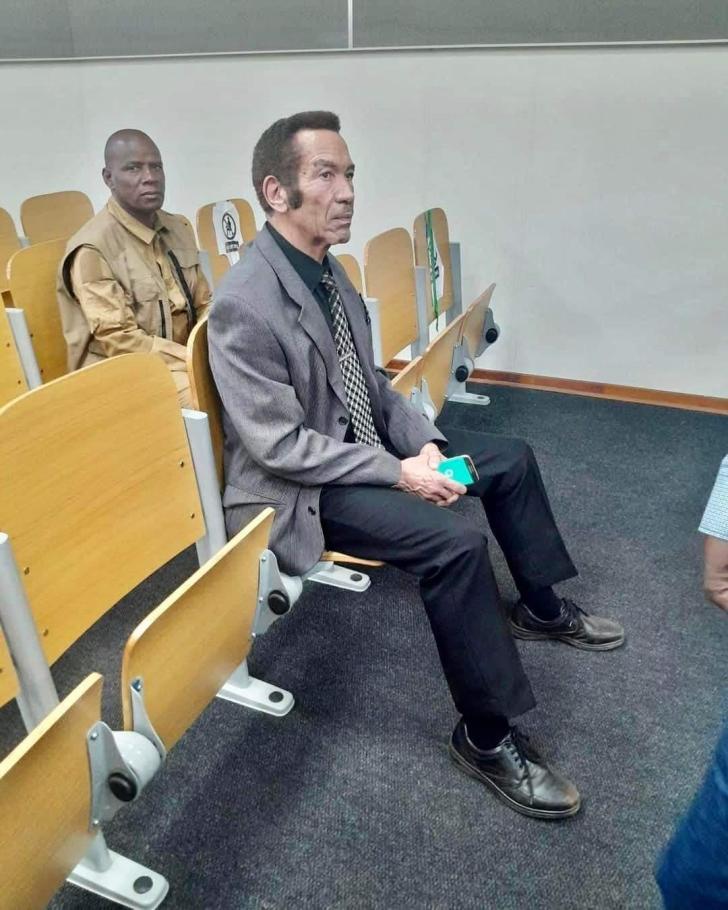
Former Botswana president Ian Khama has intensified criticism of Zimbabwe's Constitution Amendment Bill No. 3 (CAB3), warning that the proposed changes risk placing the country among a growing number of African states where constitutional amendments are used to extend the tenure of incumbent leaders.
In comments directed at President Emmerson Mnangagwa's administration, Khama described the Bill as part of a troubling continental trend in which leaders seek to remain in office through constitutional changes.
"Here we go again. Another power-hungry president has the constitution amended through rigging and cash inducements to extend his term of office," Khama said.
The former Botswana leader argued that Zimbabwe risks joining countries where constitutional safeguards have been weakened to allow leaders to remain in power beyond originally intended limits.
Khama cited long-serving African leaders such as Paul Biya, Yoweri Museveni and Paul Kagame as examples of leaders whose lengthy periods in office have generated debate about democratic succession and constitutional governance.
His comments have added to the growing controversy surrounding CAB3, which has become one of the most divisive legislative proposals in Zimbabwe in recent years.
Critics of the Bill argue that constitutional amendments affecting presidential tenure could weaken democratic accountability and undermine public confidence in governance institutions.
They contend that term limits serve as an important safeguard against excessive concentration of power and help ensure regular political renewal.
Opponents further argue that expanding executive influence over key state institutions could affect perceptions of judicial independence and weaken constitutional checks and balances.
Some analysts have also warned that frequent constitutional amendments tied to political interests may damage investor confidence by creating uncertainty around governance and policy continuity.
Others view CAB3 as part of a broader debate about the future direction of Zimbabwe's democracy and constitutional order.
Supporters of the Bill, however, maintain that the proposed amendments are intended to promote political stability, policy continuity and long-term national development.
They argue that continuity in leadership and governance structures can provide certainty for economic planning and national programmes.
The debate over CAB3 has increasingly drawn regional attention, with political figures, constitutional experts, civil society organisations and religious groups weighing in on its implications.
Khama's intervention is particularly notable given his long-standing interest in Zimbabwean affairs. During his tenure as Botswana's president, he was one of the region's most outspoken critics of former president Robert Mugabe and frequently called for democratic reforms in Zimbabwe.
More recently, he has continued to express concern about governance, constitutionalism and political accountability in the country.
His remarks echo sentiments he previously shared during the launch of the book *Footprints in the Chains* by opposition politician Job Sikhala, where he argued that oppression should be judged by actions rather than race or political affiliation.
As CAB3 proceeds through Parliament, the controversy surrounding the proposed amendments is expected to intensify, with supporters emphasising stability and continuity, while opponents warn against weakening constitutional safeguards designed to limit executive power.
The outcome of the process will likely shape Zimbabwe's political landscape for years to come and remain a focal point of debate both domestically and across the region.
In comments directed at President Emmerson Mnangagwa's administration, Khama described the Bill as part of a troubling continental trend in which leaders seek to remain in office through constitutional changes.
"Here we go again. Another power-hungry president has the constitution amended through rigging and cash inducements to extend his term of office," Khama said.
The former Botswana leader argued that Zimbabwe risks joining countries where constitutional safeguards have been weakened to allow leaders to remain in power beyond originally intended limits.
Khama cited long-serving African leaders such as Paul Biya, Yoweri Museveni and Paul Kagame as examples of leaders whose lengthy periods in office have generated debate about democratic succession and constitutional governance.
His comments have added to the growing controversy surrounding CAB3, which has become one of the most divisive legislative proposals in Zimbabwe in recent years.
Critics of the Bill argue that constitutional amendments affecting presidential tenure could weaken democratic accountability and undermine public confidence in governance institutions.
They contend that term limits serve as an important safeguard against excessive concentration of power and help ensure regular political renewal.
Opponents further argue that expanding executive influence over key state institutions could affect perceptions of judicial independence and weaken constitutional checks and balances.
Some analysts have also warned that frequent constitutional amendments tied to political interests may damage investor confidence by creating uncertainty around governance and policy continuity.
Others view CAB3 as part of a broader debate about the future direction of Zimbabwe's democracy and constitutional order.
Supporters of the Bill, however, maintain that the proposed amendments are intended to promote political stability, policy continuity and long-term national development.
They argue that continuity in leadership and governance structures can provide certainty for economic planning and national programmes.
The debate over CAB3 has increasingly drawn regional attention, with political figures, constitutional experts, civil society organisations and religious groups weighing in on its implications.
Khama's intervention is particularly notable given his long-standing interest in Zimbabwean affairs. During his tenure as Botswana's president, he was one of the region's most outspoken critics of former president Robert Mugabe and frequently called for democratic reforms in Zimbabwe.
More recently, he has continued to express concern about governance, constitutionalism and political accountability in the country.
His remarks echo sentiments he previously shared during the launch of the book *Footprints in the Chains* by opposition politician Job Sikhala, where he argued that oppression should be judged by actions rather than race or political affiliation.
As CAB3 proceeds through Parliament, the controversy surrounding the proposed amendments is expected to intensify, with supporters emphasising stability and continuity, while opponents warn against weakening constitutional safeguards designed to limit executive power.
The outcome of the process will likely shape Zimbabwe's political landscape for years to come and remain a focal point of debate both domestically and across the region.
Source - online
Join the discussion
Loading comments…





