News / National
ConCourt dismisses Heart and Soul challenge over Geza broadcast case
15 Aug 2026 at 10:56hrs |
915 Views
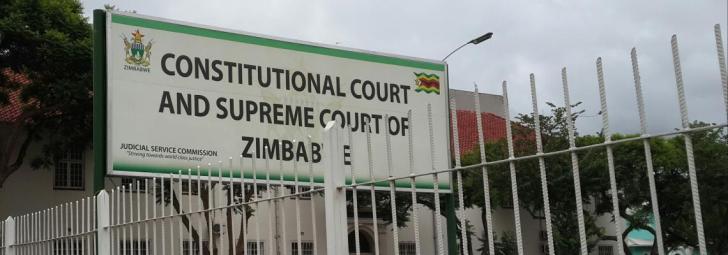
The Constitutional Court has dismissed an application by Heart and Soul Broadcasting Services (Private) Limited challenging the constitutionality of the law under which the media company is being prosecuted alongside journalist Blessed Mhlanga over the livestreaming of a press conference addressed by the late war veteran Blessed Runesu Geza.
In Judgment No. CCZ 15/26, the Constitutional Court refused the broadcaster direct access, finding that Heart and Soul had failed to establish a constitutional basis for challenging Section 164 of the Criminal Law (Codification and Reform) Act.
The court held that the company had an alternative remedy available to it - defending itself against the criminal charge before the Magistrates Court.
The case arose from Heart and Soul's livestream of a press conference addressed by Geza on January 27, 2025.
Mhlanga was arrested the following month and charged under Section 164 of the Criminal Law Code, which criminalises the transmission or distribution of a data message intended to incite people to commit violence or damage property.
The State alleges that Mhlanga broadcast Geza's remarks through Heart and Soul's YouTube channel, including statements calling on President Emmerson Mnangagwa to resign and warning that people could otherwise "deal with" him.
Heart and Soul was subsequently charged alongside Mhlanga.
The broadcaster challenged the constitutionality of Section 164, arguing that its role in gathering and disseminating news was protected by constitutional guarantees of freedom of expression and freedom of the media.
It also argued that its constitutional rights to protection of the law and access to the courts had been violated after the Magistrates Court declined to refer its constitutional challenge to the Constitutional Court.
However, the country's highest court found that the application did not raise a genuine constitutional question warranting direct access.
Justice Ben Hlatshwayo, sitting with Justices Paddington Garwe and Anne-Marie Gowora, said Section 61 of the Constitution expressly excludes incitement to violence from the protection afforded to freedom of expression and freedom of the media.
Section 61(5) provides that freedom of expression and media freedom do not extend to certain categories of expression, including incitement to violence.
The court found that Section 164 essentially criminalises conduct which the Constitution itself excludes from the protection of freedom of expression and media freedom.
"Therefore, the law on the face of it is clear," the court said.
The judges added that the court could not properly determine whether Section 164 violated Section 61 of the Constitution when Section 61(5) itself excludes conduct amounting to incitement to public violence from constitutional protection.
Crucially, the court said the central issue was not whether Section 164 was constitutional, but whether Heart and Soul's conduct actually amounted to the offence alleged by the State.
That question, the judges ruled, must be determined by the Magistrates Court during the criminal trial.
Heart and Soul had argued that it was merely livestreaming Geza's press conference and could not have known beforehand what the war veteran was going to say.
The Constitutional Court said that argument could potentially form part of the broadcaster's defence to the criminal charge, but did not establish that Section 164 itself was unconstitutional.
The ruling therefore does not amount to a finding that Heart and Soul or Mhlanga incited violence or are guilty of the charges.
Their criminal liability remains to be determined by the trial court.
The judges also stressed that direct access to the Constitutional Court is an exceptional procedure and should not ordinarily be used to circumvent or interfere with proceedings already before lower courts.
The court found that Heart and Soul had failed to establish a violation of its constitutional rights under Sections 56 and 69(3).
It further held that the Magistrates Court was entitled to regard the company's request for referral to the Constitutional Court as frivolous and vexatious.
"Direct access is an extraordinary remedy that will not be lightly granted," the court said.
The judges added that Heart and Soul's challenge to Section 164 had "no prospects of success", describing it as being based on what they considered a "flawed understanding" of the constitutional framework governing freedom of expression.
The decision effectively sends the dispute back to the criminal court, where prosecutors will still be required to prove all the elements of the alleged offence.
Heart and Soul and Mhlanga will, in turn, have the opportunity to present their respective defences, including arguments surrounding the circumstances in which the broadcast was made.
The Constitutional Court declined to order Heart and Soul to pay costs, noting that adverse costs orders in constitutional litigation could discourage people with genuine constitutional grievances from approaching the courts.
The application was therefore dismissed with no order as to costs.
In Judgment No. CCZ 15/26, the Constitutional Court refused the broadcaster direct access, finding that Heart and Soul had failed to establish a constitutional basis for challenging Section 164 of the Criminal Law (Codification and Reform) Act.
The court held that the company had an alternative remedy available to it - defending itself against the criminal charge before the Magistrates Court.
The case arose from Heart and Soul's livestream of a press conference addressed by Geza on January 27, 2025.
Mhlanga was arrested the following month and charged under Section 164 of the Criminal Law Code, which criminalises the transmission or distribution of a data message intended to incite people to commit violence or damage property.
The State alleges that Mhlanga broadcast Geza's remarks through Heart and Soul's YouTube channel, including statements calling on President Emmerson Mnangagwa to resign and warning that people could otherwise "deal with" him.
Heart and Soul was subsequently charged alongside Mhlanga.
The broadcaster challenged the constitutionality of Section 164, arguing that its role in gathering and disseminating news was protected by constitutional guarantees of freedom of expression and freedom of the media.
It also argued that its constitutional rights to protection of the law and access to the courts had been violated after the Magistrates Court declined to refer its constitutional challenge to the Constitutional Court.
However, the country's highest court found that the application did not raise a genuine constitutional question warranting direct access.
Justice Ben Hlatshwayo, sitting with Justices Paddington Garwe and Anne-Marie Gowora, said Section 61 of the Constitution expressly excludes incitement to violence from the protection afforded to freedom of expression and freedom of the media.
Section 61(5) provides that freedom of expression and media freedom do not extend to certain categories of expression, including incitement to violence.
The court found that Section 164 essentially criminalises conduct which the Constitution itself excludes from the protection of freedom of expression and media freedom.
"Therefore, the law on the face of it is clear," the court said.
The judges added that the court could not properly determine whether Section 164 violated Section 61 of the Constitution when Section 61(5) itself excludes conduct amounting to incitement to public violence from constitutional protection.
Crucially, the court said the central issue was not whether Section 164 was constitutional, but whether Heart and Soul's conduct actually amounted to the offence alleged by the State.
That question, the judges ruled, must be determined by the Magistrates Court during the criminal trial.
Heart and Soul had argued that it was merely livestreaming Geza's press conference and could not have known beforehand what the war veteran was going to say.
The Constitutional Court said that argument could potentially form part of the broadcaster's defence to the criminal charge, but did not establish that Section 164 itself was unconstitutional.
The ruling therefore does not amount to a finding that Heart and Soul or Mhlanga incited violence or are guilty of the charges.
Their criminal liability remains to be determined by the trial court.
The judges also stressed that direct access to the Constitutional Court is an exceptional procedure and should not ordinarily be used to circumvent or interfere with proceedings already before lower courts.
The court found that Heart and Soul had failed to establish a violation of its constitutional rights under Sections 56 and 69(3).
It further held that the Magistrates Court was entitled to regard the company's request for referral to the Constitutional Court as frivolous and vexatious.
"Direct access is an extraordinary remedy that will not be lightly granted," the court said.
The judges added that Heart and Soul's challenge to Section 164 had "no prospects of success", describing it as being based on what they considered a "flawed understanding" of the constitutional framework governing freedom of expression.
The decision effectively sends the dispute back to the criminal court, where prosecutors will still be required to prove all the elements of the alleged offence.
Heart and Soul and Mhlanga will, in turn, have the opportunity to present their respective defences, including arguments surrounding the circumstances in which the broadcast was made.
The Constitutional Court declined to order Heart and Soul to pay costs, noting that adverse costs orders in constitutional litigation could discourage people with genuine constitutional grievances from approaching the courts.
The application was therefore dismissed with no order as to costs.
Source - nehanda
Join the discussion
Loading comments…





