News / National
Zimbabwe ConCourt leaves referendum door open on CAB 3
24 Jun 2026 at 06:06hrs |
909 Views
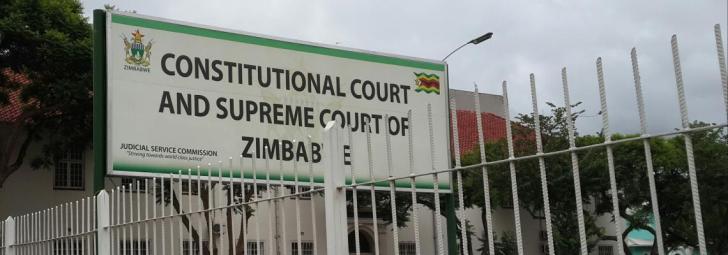
The Constitutional Court (ConCourt) has left open the possibility that the controversial Constitutional Amendment Bill No. 3 (CAB 3) could still be subjected to a national referendum, even as the legislation advances through Parliament.
In a judgment delivered before the National Assembly passed the Bill last week, Justice Bharat Patel said constitutional mechanisms remained available to address concerns over the proposed amendments, including a referendum and a presidential referral to the court for an advisory opinion.
The National Assembly approved CAB 3 on Wednesday with the required two-thirds majority, a day after Patel's ruling. The Bill now moves to the Senate, where it is expected to receive backing from senators aligned to the faction of the Citizens Coalition for Change (CCC) associated with Sengezo Tshabangu.
The legislation passed with 216 votes in favour after 36 CCC Members of Parliament voted alongside Zanu PF, triggering criticism from opposition supporters and allegations that some legislators had been bribed to support the constitutional changes.
CAB 3 proposes sweeping amendments to Zimbabwe's governance framework, including extending presidential and parliamentary terms from five to seven years and changing the method of electing the President from a direct popular vote to an electoral college system involving Members of Parliament.
Justice Patel made the remarks while dismissing an application filed by former Binga North legislator Prince Dubeko Sibanda, who sought to halt further parliamentary processing of the Bill.
Patel ruled that the challenge had been brought prematurely because the legislative process had not yet been completed.
"It is also perfectly possible that the bill might be referred to a national referendum in accordance with Section 328(6) of the Constitution," Patel said.
He added that constitutional safeguards would remain available even if Parliament ultimately approved the disputed provisions.
"Should Parliament persist, the President may refer the matter to this court for an advisory opinion in terms of Section 131(8)(b)," he said.
Represented by constitutional lawyer Lovemore Madhuku, Sibanda challenged Clauses 4(b) and 9(b) of CAB 3, arguing that they sought to circumvent constitutional protections against extending terms of office for elected officials.
Clause 4(b) proposes inserting a new provision stating that, notwithstanding Section 328(7) of the Constitution, provisions relating to the continuation in office of the President would apply. Clause 9(b) contains a similar provision relating to the continuation in office of the Senate and National Assembly.
Explaining why the matter was not ripe for adjudication, Patel noted that Parliament had not yet completed consideration of the Bill when the court reserved judgment.
"At the time when the judgment of the court in this matter was reserved, the legislative process in respect of the Bill was, in every meaningful sense, in its infancy," Patel said.
He observed that the Bill had not yet been debated or voted on and that submissions gathered during public consultations still had to be considered by lawmakers.
"Members of Parliament may, having regard to those views and to the contributions made at the relevant stages of debate, resolve to adopt the impugned clauses in their present form or to modify them or to omit them altogether," Patel said.
"The final shape and form of the bill remain presently unknown."
Patel further emphasised that the Constitution provides a number of oversight mechanisms before a Bill becomes law.
"The President is empowered, by Section 131(6) of the Constitution, to refer the Bill back to Parliament where he entertains reservations about its constitutionality," Patel said.
"Should Parliament persist, the President may refer the matter to this court for an advisory opinion."
He warned that judicial intervention at this stage would undermine the constitutional roles assigned to Parliament and the President during the law-making process.
Following the ruling, Madhuku said the court had not pronounced itself on the substantive constitutional issues raised by the challenge and that the case would return to court once the legislative process had been completed.
"We can't wait for Parliament to conclude its process so that we go back to the Constitutional Court," Madhuku said.
"Parliament is actually wasting our time. We just want the process to be complete because the outcome is predetermined."
Legal expert Musa Kika argued that CAB 3 should be subjected to a referendum because it seeks to alter constitutional provisions protected by Section 328(7).
"However, if Parliament does not send the Bill to a referendum, which we understand is what they are planning on doing, the referendum stage will be skipped and the Bill will go directly to the President from the Senate," Kika said.
"It is up to citizens to then legally challenge that omission, and up to the Constitutional Court to decide."
Meanwhile, Defend the Constitution campaign convenor Tendai Biti said opponents of CAB 3 were exploring all available legal and democratic avenues to resist the proposed amendments.
"CDF is considering all available constitutional, legal and democratic options, including further litigation," Biti said.
"The people of Zimbabwe remain the ultimate custodians of the Constitution, and we will continue to defend the 2013 Constitution through all lawful means available."
The ruling means that while CAB 3 has cleared a major parliamentary hurdle, the constitutional and legal battles surrounding the Bill are likely to intensify as it moves closer to becoming law.
In a judgment delivered before the National Assembly passed the Bill last week, Justice Bharat Patel said constitutional mechanisms remained available to address concerns over the proposed amendments, including a referendum and a presidential referral to the court for an advisory opinion.
The National Assembly approved CAB 3 on Wednesday with the required two-thirds majority, a day after Patel's ruling. The Bill now moves to the Senate, where it is expected to receive backing from senators aligned to the faction of the Citizens Coalition for Change (CCC) associated with Sengezo Tshabangu.
The legislation passed with 216 votes in favour after 36 CCC Members of Parliament voted alongside Zanu PF, triggering criticism from opposition supporters and allegations that some legislators had been bribed to support the constitutional changes.
CAB 3 proposes sweeping amendments to Zimbabwe's governance framework, including extending presidential and parliamentary terms from five to seven years and changing the method of electing the President from a direct popular vote to an electoral college system involving Members of Parliament.
Justice Patel made the remarks while dismissing an application filed by former Binga North legislator Prince Dubeko Sibanda, who sought to halt further parliamentary processing of the Bill.
Patel ruled that the challenge had been brought prematurely because the legislative process had not yet been completed.
"It is also perfectly possible that the bill might be referred to a national referendum in accordance with Section 328(6) of the Constitution," Patel said.
He added that constitutional safeguards would remain available even if Parliament ultimately approved the disputed provisions.
"Should Parliament persist, the President may refer the matter to this court for an advisory opinion in terms of Section 131(8)(b)," he said.
Represented by constitutional lawyer Lovemore Madhuku, Sibanda challenged Clauses 4(b) and 9(b) of CAB 3, arguing that they sought to circumvent constitutional protections against extending terms of office for elected officials.
Clause 4(b) proposes inserting a new provision stating that, notwithstanding Section 328(7) of the Constitution, provisions relating to the continuation in office of the President would apply. Clause 9(b) contains a similar provision relating to the continuation in office of the Senate and National Assembly.
Explaining why the matter was not ripe for adjudication, Patel noted that Parliament had not yet completed consideration of the Bill when the court reserved judgment.
"At the time when the judgment of the court in this matter was reserved, the legislative process in respect of the Bill was, in every meaningful sense, in its infancy," Patel said.
He observed that the Bill had not yet been debated or voted on and that submissions gathered during public consultations still had to be considered by lawmakers.
"The final shape and form of the bill remain presently unknown."
Patel further emphasised that the Constitution provides a number of oversight mechanisms before a Bill becomes law.
"The President is empowered, by Section 131(6) of the Constitution, to refer the Bill back to Parliament where he entertains reservations about its constitutionality," Patel said.
"Should Parliament persist, the President may refer the matter to this court for an advisory opinion."
He warned that judicial intervention at this stage would undermine the constitutional roles assigned to Parliament and the President during the law-making process.
Following the ruling, Madhuku said the court had not pronounced itself on the substantive constitutional issues raised by the challenge and that the case would return to court once the legislative process had been completed.
"We can't wait for Parliament to conclude its process so that we go back to the Constitutional Court," Madhuku said.
"Parliament is actually wasting our time. We just want the process to be complete because the outcome is predetermined."
Legal expert Musa Kika argued that CAB 3 should be subjected to a referendum because it seeks to alter constitutional provisions protected by Section 328(7).
"However, if Parliament does not send the Bill to a referendum, which we understand is what they are planning on doing, the referendum stage will be skipped and the Bill will go directly to the President from the Senate," Kika said.
"It is up to citizens to then legally challenge that omission, and up to the Constitutional Court to decide."
Meanwhile, Defend the Constitution campaign convenor Tendai Biti said opponents of CAB 3 were exploring all available legal and democratic avenues to resist the proposed amendments.
"CDF is considering all available constitutional, legal and democratic options, including further litigation," Biti said.
"The people of Zimbabwe remain the ultimate custodians of the Constitution, and we will continue to defend the 2013 Constitution through all lawful means available."
The ruling means that while CAB 3 has cleared a major parliamentary hurdle, the constitutional and legal battles surrounding the Bill are likely to intensify as it moves closer to becoming law.
Source - The Standard
Join the discussion
Loading comments…





