News / National
Zimbabwe faces recurrent flood crisis
04 Dec 2025 at 09:04hrs |
0 Views
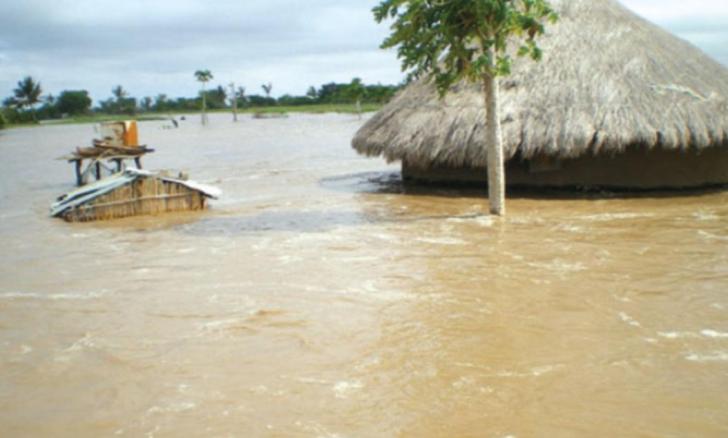
The latest alert from the Meteorological Services Department (MSD) and the Department of Civil Protection signals more than routine inclement weather — it is a stark reminder of Zimbabwe's persistent vulnerability to flooding. Intense thunderstorms and heavy rainfall, with over 50mm expected in some areas within 24 hours, threaten communities in Manicaland, Masvingo, Harare Metropolitan, and parts of Mashonaland East and Central.
For decades, districts in the Zambezi Basin, including Muzarabani and Guruve, have faced seasonal flooding. Similar threats affect Tsholotsho, the Gwayi River corridor, and parts of the Midlands, while urban centres such as Harare and Bulawayo increasingly contend with flooded roads, impassable suburbs, and overflowing drainage systems. Cyclone- and flood-prone areas like Chipinge and Chimanimani continue to bear the brunt of recurring devastation.
Experts warn that these disasters are not solely the result of natural forces. Authorities have permitted, and in some cases encouraged, settlement in flood-prone zones, including wetlands, riverbanks, and floodplains. Political considerations have often influenced land allocation, compounding the impact of seasonal storms. Each rainy season brings predictable waves of destruction, leaving families to watch their homes inundated while government assurances of "preparedness" fail to translate into meaningful action.
Advocates are calling for a paradigm shift in flood management. The Department of Civil Protection requires modern early warning systems, robust communication networks, coordinated response structures, and the funding to act proactively rather than reactively. Finance Minister Mthuli Ncube's budget priorities are critical in determining whether Zimbabwe continues a cycle of neglect or invests in preventative systems that save lives and property.
With climate change intensifying storms and altering rainfall patterns, disaster preparedness must become a central pillar of national planning. Communities can no longer bear the consequences of systemic failures. The rains are here, the alerts have been sounded, and decisive action is now imperative.
For decades, districts in the Zambezi Basin, including Muzarabani and Guruve, have faced seasonal flooding. Similar threats affect Tsholotsho, the Gwayi River corridor, and parts of the Midlands, while urban centres such as Harare and Bulawayo increasingly contend with flooded roads, impassable suburbs, and overflowing drainage systems. Cyclone- and flood-prone areas like Chipinge and Chimanimani continue to bear the brunt of recurring devastation.
Experts warn that these disasters are not solely the result of natural forces. Authorities have permitted, and in some cases encouraged, settlement in flood-prone zones, including wetlands, riverbanks, and floodplains. Political considerations have often influenced land allocation, compounding the impact of seasonal storms. Each rainy season brings predictable waves of destruction, leaving families to watch their homes inundated while government assurances of "preparedness" fail to translate into meaningful action.
Advocates are calling for a paradigm shift in flood management. The Department of Civil Protection requires modern early warning systems, robust communication networks, coordinated response structures, and the funding to act proactively rather than reactively. Finance Minister Mthuli Ncube's budget priorities are critical in determining whether Zimbabwe continues a cycle of neglect or invests in preventative systems that save lives and property.
With climate change intensifying storms and altering rainfall patterns, disaster preparedness must become a central pillar of national planning. Communities can no longer bear the consequences of systemic failures. The rains are here, the alerts have been sounded, and decisive action is now imperative.
Source - newsday
Join the discussion
Loading comments…



