News / National
Zimbabwe battles diarrhoea, influenza outbreak
05 Dec 2025 at 07:15hrs |
528 Views
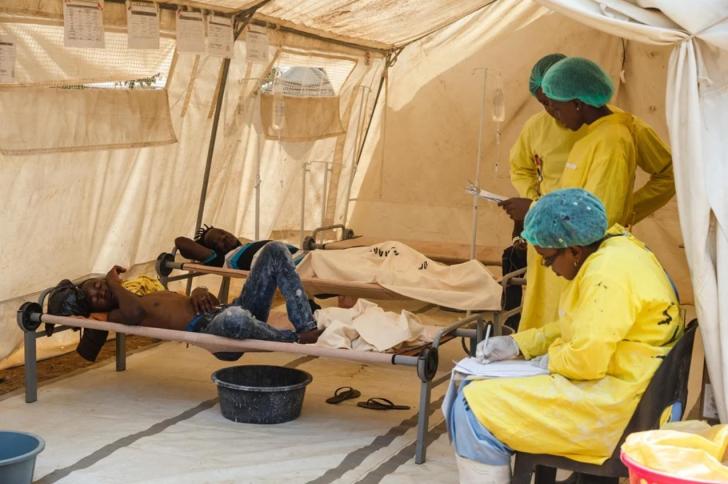
A recent Health and Child Care Ministry report has revealed that diarrhoea remains the leading disease in Zimbabwe, with a cumulative 311 621 cases reported as of November 23. Influenza and the common cold closely follow, with 311 255 cases recorded nationwide.
The weekly surveillance report, covering the period from October 11 to November 23, also highlighted ongoing public health challenges, including maternal and neonatal deaths, malaria, dog bites, and other epidemic-prone conditions.
During the most recent week, 5 132 new diarrhoea cases were recorded, 42% of which affected children under five. Mashonaland West and Manicaland provinces reported the highest numbers. The cumulative death toll from diarrhoea stands at 166, reflecting a case fatality rate (CFR) of 0.05%.
Influenza saw 4 440 new suspected cases during the week, primarily in Mashonaland West and Manicaland, with a cumulative seven deaths (CFR 0.002%). Malaria remains a serious concern, ranking fourth nationwide with 156 010 cumulative cases and 429 deaths (CFR 0.27%). In the reporting week, 601 new malaria cases were reported, largely in Mashonaland Central and Manicaland.
Dog bites continue to pose a significant public health risk, with 24 799 cumulative cases recorded. In the week under review, 592 bites were reported, mostly in Masvingo and Mashonaland West, with 65% involving dogs of unknown vaccination status.
Other epidemic-prone conditions recorded include dysentery (15 725 cumulative cases), snake bites (4 098 cumulative cases with 14 deaths), anthrax (189 cases), typhoid, cholera, and rabies.
The report also highlighted maternal and neonatal health challenges, with nine new maternal deaths reported, bringing the cumulative figure to 408. The leading causes were postpartum haemorrhage, eclampsia, and sepsis. Neonatal deaths for the week numbered 101, primarily due to prematurity, birth asphyxia, respiratory distress syndrome, low birth weight, and sepsis.
In response, the Health Ministry has called on all provinces and cities to strengthen their rapid response teams, enhance disease surveillance, and improve infection prevention, control, and case management, particularly for epidemic-prone diseases like cholera.
The weekly surveillance report, covering the period from October 11 to November 23, also highlighted ongoing public health challenges, including maternal and neonatal deaths, malaria, dog bites, and other epidemic-prone conditions.
During the most recent week, 5 132 new diarrhoea cases were recorded, 42% of which affected children under five. Mashonaland West and Manicaland provinces reported the highest numbers. The cumulative death toll from diarrhoea stands at 166, reflecting a case fatality rate (CFR) of 0.05%.
Influenza saw 4 440 new suspected cases during the week, primarily in Mashonaland West and Manicaland, with a cumulative seven deaths (CFR 0.002%). Malaria remains a serious concern, ranking fourth nationwide with 156 010 cumulative cases and 429 deaths (CFR 0.27%). In the reporting week, 601 new malaria cases were reported, largely in Mashonaland Central and Manicaland.
Other epidemic-prone conditions recorded include dysentery (15 725 cumulative cases), snake bites (4 098 cumulative cases with 14 deaths), anthrax (189 cases), typhoid, cholera, and rabies.
The report also highlighted maternal and neonatal health challenges, with nine new maternal deaths reported, bringing the cumulative figure to 408. The leading causes were postpartum haemorrhage, eclampsia, and sepsis. Neonatal deaths for the week numbered 101, primarily due to prematurity, birth asphyxia, respiratory distress syndrome, low birth weight, and sepsis.
In response, the Health Ministry has called on all provinces and cities to strengthen their rapid response teams, enhance disease surveillance, and improve infection prevention, control, and case management, particularly for epidemic-prone diseases like cholera.
Source - Southern Eye
Join the discussion
Loading comments…





