News / National
Mnangagwa approves 2 breathalyser models
13 Jan 2026 at 19:13hrs |
0 Views
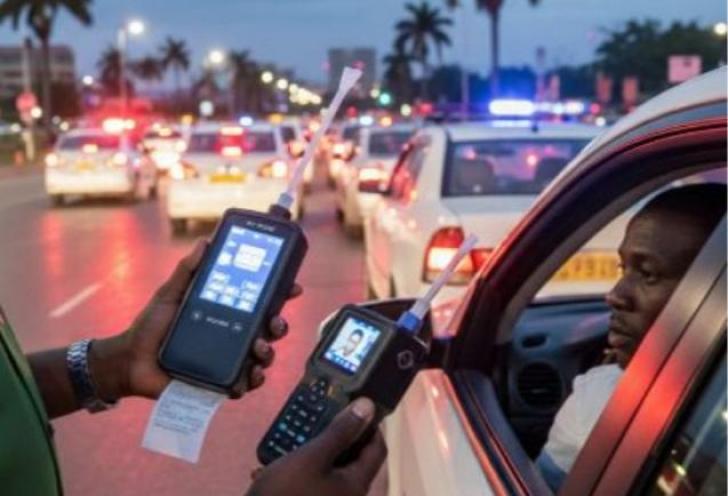
The Government has gazetted new regulations approving the use of two internationally recognised breathalyser models by law enforcement agencies, marking a significant step in the fight against drunk driving and road traffic fatalities.
Under Statutory Instrument 7 of 2026 - the Road Traffic Act (Use of Breathalysers) - President Emmerson Mnangagwa authorised the deployment of the ST FIT-333Gi, manufactured by AAT Limited of Hong Kong, and the AT9000, produced by Hanwei Electronics Group Corporation of China. The new regulations repeal the 2025 rules and provide a legal framework for police to conduct roadside alcohol testing nationwide using certified equipment.
The move comes amid worsening road safety, with police confirming that 100 people died in 2 412 road traffic accidents during the just-ended festive season, more than double the 1 211 accidents recorded over the same period in 2024. Fatal crashes rose from 65 to 87, while injuries increased to 471 from 401.
Breathalysers work by measuring the concentration of alcohol in a driver's breath and converting it into a blood alcohol content (BAC) reading. Motorists blow into a disposable mouthpiece attached to the device, which produces an instant digital result. Drivers found exceeding the legal limit can be immediately barred from continuing their journey and subjected to criminal proceedings. The devices also enable officers to carry out random roadside checks, night-time patrols, and targeted operations at accident black spots, entertainment districts, and major highways.
Traffic safety experts note that consistent breath testing is one of the most effective deterrents against drunk driving, as motorists are less likely to risk driving after drinking when they know they could be tested at any time. The approval of standardised breathalysers addresses a long-standing enforcement gap that has previously allowed intoxicated drivers to escape detection due to a lack of certified equipment.
Police have repeatedly identified driver behaviour — including speeding, dangerous overtaking, fatigue, and alcohol impairment — as major contributors to fatal crashes. National police spokesperson Commissioner Paul Nyathi said preliminary reviews of holiday accidents point to recurring, preventable causes, particularly head-on collisions from vehicles encroaching into oncoming lanes, excessive speeding, and drivers veering off the road. Many incidents occurred during early morning or night-time hours, often exacerbated by fatigue or inattention.
Vehicle-related factors also played a significant role. Tyre bursts, especially on public service vehicles such as Toyota Hiace kombis, led to overturning and multiple casualties. Poor maintenance, worn-out or substandard tyres, overloading, and failure to conduct routine inspections were cited as key risks. Overloading was further identified as compromising vehicle stability, placing excessive strain on tyres, and reducing driver control, particularly at high speeds.
The new regulations signal a more robust approach to road safety enforcement, giving police the tools to detect and prosecute alcohol-impaired drivers while addressing some of the country's leading causes of fatal road accidents.
Under Statutory Instrument 7 of 2026 - the Road Traffic Act (Use of Breathalysers) - President Emmerson Mnangagwa authorised the deployment of the ST FIT-333Gi, manufactured by AAT Limited of Hong Kong, and the AT9000, produced by Hanwei Electronics Group Corporation of China. The new regulations repeal the 2025 rules and provide a legal framework for police to conduct roadside alcohol testing nationwide using certified equipment.
The move comes amid worsening road safety, with police confirming that 100 people died in 2 412 road traffic accidents during the just-ended festive season, more than double the 1 211 accidents recorded over the same period in 2024. Fatal crashes rose from 65 to 87, while injuries increased to 471 from 401.
Breathalysers work by measuring the concentration of alcohol in a driver's breath and converting it into a blood alcohol content (BAC) reading. Motorists blow into a disposable mouthpiece attached to the device, which produces an instant digital result. Drivers found exceeding the legal limit can be immediately barred from continuing their journey and subjected to criminal proceedings. The devices also enable officers to carry out random roadside checks, night-time patrols, and targeted operations at accident black spots, entertainment districts, and major highways.
Police have repeatedly identified driver behaviour — including speeding, dangerous overtaking, fatigue, and alcohol impairment — as major contributors to fatal crashes. National police spokesperson Commissioner Paul Nyathi said preliminary reviews of holiday accidents point to recurring, preventable causes, particularly head-on collisions from vehicles encroaching into oncoming lanes, excessive speeding, and drivers veering off the road. Many incidents occurred during early morning or night-time hours, often exacerbated by fatigue or inattention.
Vehicle-related factors also played a significant role. Tyre bursts, especially on public service vehicles such as Toyota Hiace kombis, led to overturning and multiple casualties. Poor maintenance, worn-out or substandard tyres, overloading, and failure to conduct routine inspections were cited as key risks. Overloading was further identified as compromising vehicle stability, placing excessive strain on tyres, and reducing driver control, particularly at high speeds.
The new regulations signal a more robust approach to road safety enforcement, giving police the tools to detect and prosecute alcohol-impaired drivers while addressing some of the country's leading causes of fatal road accidents.
Source - The Herald
Join the discussion
Loading comments…




