News / National
Zimbabwe's RBZ flaunts ZiG stability
21 Mar 2026 at 21:13hrs |
0 Views
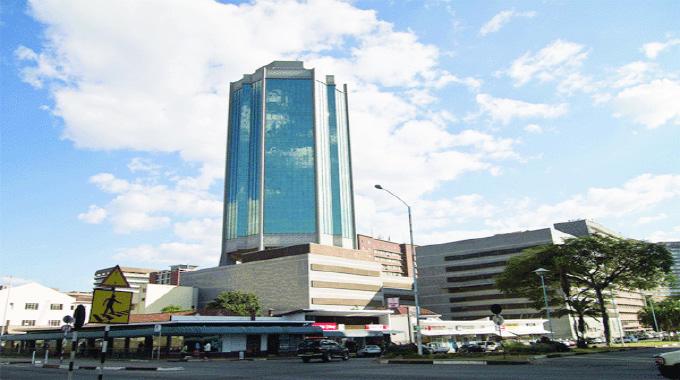
The Reserve Bank of Zimbabwe has come under increasing pressure from exporters over delayed payments tied to the country's foreign currency surrender policy, as tensions mount between monetary authorities and key sectors like mining.
At the centre of the dispute is the 30% export surrender requirement, which compels exporters to convert a portion of their foreign earnings into the local currency, the Zimbabwe Gold. Despite maintaining this policy in its latest monetary framework, the central bank has struggled to settle these obligations on time.
RBZ Governor John Mushayavanhu has defended the delays, arguing that exporters' growing insistence on prompt payment reflects rising confidence in the ZiG. According to his view, the currency's recent stability has shifted exporter behaviour, with companies now preferring immediate settlement to avoid potential losses from currency appreciation.
However, major exporters—particularly in the mining sector—paint a starkly different picture. Companies such as Zimplats and Unki Mines say they are owed tens of millions of US dollars in outstanding payments, with arrears stretching back to early 2025. These delays, they argue, are not about currency preferences but about liquidity constraints that are choking operations and limiting reinvestment.
Industry players warn that the policy has effectively created a cash flow crisis. By withholding local currency payments, authorities are seen as restricting liquidity in circulation to support the ZiG's exchange rate, raising concerns that exporters are being forced to absorb the cost of currency stabilisation.
Analysts say this reflects a deeper structural tension between policy intent and economic reality. While the surrender requirement was designed to bolster the local currency, its implementation—particularly the delayed disbursements—has introduced operational risks for businesses that rely on predictable cash flows.
The situation has also exposed a credibility gap. While the RBZ maintains that the ZiG is stabilising, affected companies say the backlog of unpaid funds undermines confidence in the system and complicates financial planning.
Meanwhile, Fidelity Gold Refinery announced that it had processed outstanding local currency payments to gold producers. Yet some miners report that funds have still not reflected in their accounts, further fuelling frustration and uncertainty.
As pressure builds, the central question remains whether the RBZ will accelerate payments to ease liquidity strains or continue to prioritise exchange rate stability—an approach that risks deepening tensions with one of Zimbabwe's most critical export sectors.
At the centre of the dispute is the 30% export surrender requirement, which compels exporters to convert a portion of their foreign earnings into the local currency, the Zimbabwe Gold. Despite maintaining this policy in its latest monetary framework, the central bank has struggled to settle these obligations on time.
RBZ Governor John Mushayavanhu has defended the delays, arguing that exporters' growing insistence on prompt payment reflects rising confidence in the ZiG. According to his view, the currency's recent stability has shifted exporter behaviour, with companies now preferring immediate settlement to avoid potential losses from currency appreciation.
However, major exporters—particularly in the mining sector—paint a starkly different picture. Companies such as Zimplats and Unki Mines say they are owed tens of millions of US dollars in outstanding payments, with arrears stretching back to early 2025. These delays, they argue, are not about currency preferences but about liquidity constraints that are choking operations and limiting reinvestment.
Analysts say this reflects a deeper structural tension between policy intent and economic reality. While the surrender requirement was designed to bolster the local currency, its implementation—particularly the delayed disbursements—has introduced operational risks for businesses that rely on predictable cash flows.
The situation has also exposed a credibility gap. While the RBZ maintains that the ZiG is stabilising, affected companies say the backlog of unpaid funds undermines confidence in the system and complicates financial planning.
Meanwhile, Fidelity Gold Refinery announced that it had processed outstanding local currency payments to gold producers. Yet some miners report that funds have still not reflected in their accounts, further fuelling frustration and uncertainty.
As pressure builds, the central question remains whether the RBZ will accelerate payments to ease liquidity strains or continue to prioritise exchange rate stability—an approach that risks deepening tensions with one of Zimbabwe's most critical export sectors.
Source - Mining Zimbabwe
Join the discussion
Loading comments…



