News / National
Bulawayo water cuts to persist
03 Apr 2026 at 20:46hrs |
0 Views
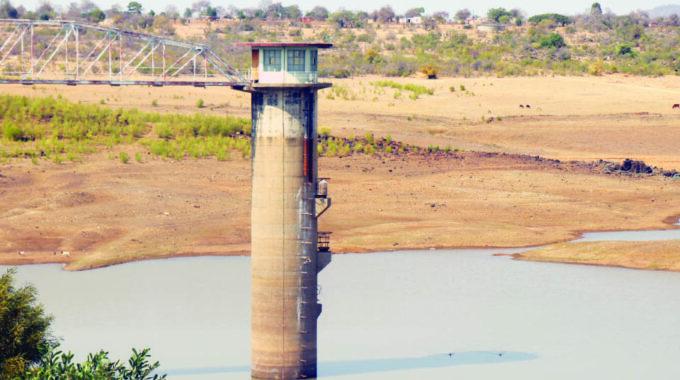
Residents in Bulawayo will continue to face water-shedding for the foreseeable future, despite a significant improvement in dam levels, as ageing infrastructure hampers the city's ability to deliver adequate supplies.
According to the latest Dam Watch report released by the City of Bulawayo, the city's six supply dams — Insiza, Inyankuni, Lower Ncema, Umzingwane, Upper Ncema and Mtshabezi — now hold a combined 414.6 million cubic metres of water.
This marks a notable increase compared to the same period last year, when dam levels stood at just under 50 percent.
Mtshabezi Dam has reached full capacity and is spilling, while Insiza Dam has recorded cumulative inflows exceeding 72 million cubic metres since the onset of the rainy season.
However, Mayor David Coltart said the crisis has shifted from water availability to the city's capacity to distribute it.
"We can have 100% full dams at the end of this season and still not be able to deliver sufficient quantities of water to residents," Coltart said during a recent council meeting.
He pointed to ageing and inadequate infrastructure as the main constraint, noting that key pipelines linked to the Umzingwane-Ncema and Insiza systems require urgent upgrading or diversion.
"The pump stations are decades old; they need replacement," he said.
Coltart added that existing reservoirs, including the Thuli system, have limited capacity, further worsening the situation.
"Until these works are done, we will not be able to meet the demands of residents. Water shedding will remain a reality."
Bulawayo has endured chronic water shortages for more than two decades, largely due to recurring droughts that have reduced inflows into major supply dams such as Umzingwane Dam, Insiza and Mtshabezi.
Despite improved rainfall this season, authorities say long-term investment in infrastructure is now critical to resolving the city's persistent water crisis.
According to the latest Dam Watch report released by the City of Bulawayo, the city's six supply dams — Insiza, Inyankuni, Lower Ncema, Umzingwane, Upper Ncema and Mtshabezi — now hold a combined 414.6 million cubic metres of water.
This marks a notable increase compared to the same period last year, when dam levels stood at just under 50 percent.
Mtshabezi Dam has reached full capacity and is spilling, while Insiza Dam has recorded cumulative inflows exceeding 72 million cubic metres since the onset of the rainy season.
However, Mayor David Coltart said the crisis has shifted from water availability to the city's capacity to distribute it.
"We can have 100% full dams at the end of this season and still not be able to deliver sufficient quantities of water to residents," Coltart said during a recent council meeting.
"The pump stations are decades old; they need replacement," he said.
Coltart added that existing reservoirs, including the Thuli system, have limited capacity, further worsening the situation.
"Until these works are done, we will not be able to meet the demands of residents. Water shedding will remain a reality."
Bulawayo has endured chronic water shortages for more than two decades, largely due to recurring droughts that have reduced inflows into major supply dams such as Umzingwane Dam, Insiza and Mtshabezi.
Despite improved rainfall this season, authorities say long-term investment in infrastructure is now critical to resolving the city's persistent water crisis.
Source - Newsday
Join the discussion
Loading comments…


