News / National
Zimbabwe targets full school electrification
13 Apr 2026 at 12:18hrs |
0 Views
The Government of Zimbabwe has set a firm year-end deadline to electrify every school in the country, ramping up the use of solar energy and other off-grid solutions to close remaining gaps, particularly in rural areas.
The ambitious programme marks a decisive shift from policy to implementation under the Second Republic, as authorities move to ensure no learning institution remains without power - a key requirement for modern education.
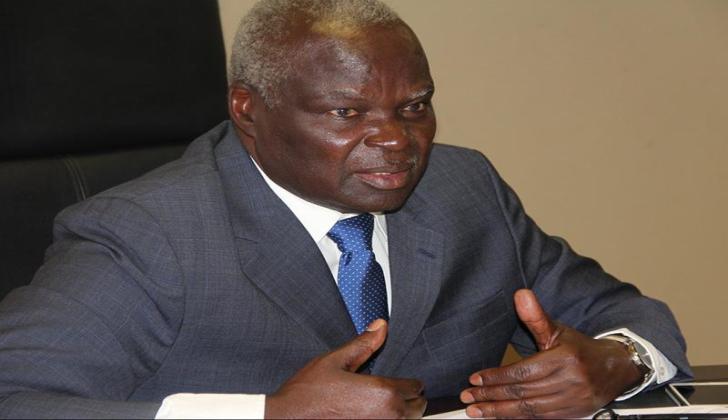
Speaking at a renewable energy conference in Esigodini on Friday, Energy and Power Development Minister July Moyo said approximately 75 percent of schools are already electrified, with the final phase now targeting hard-to-reach areas.
"We have made a deliberate decision, supported by Cabinet and His Excellency President Emmerson Mnangagwa, that this is the year we must finish electrifying all our schools - both secondary and primary," he said.
The initiative aligns with Zimbabwe's broader energy strategy, which aims to generate 2 100 megawatts of power by 2030, with solar energy expected to play a leading role through public-private partnerships and increased private sector participation.
Authorities say the programme reflects a growing reliance on decentralised solar systems to bridge infrastructure gaps, particularly in rural communities where extending the national grid has proven slow and costly. In parallel, the Government is investing in water infrastructure, including dam construction and borehole drilling, to mitigate the effects of recurring droughts.
While secondary schools are nearing full electrification — estimated at between 82 and 84 percent — primary schools, especially in remote areas, remain the main focus, currently standing at just over 70 percent.
Minister Moyo said the initiative goes beyond infrastructure, positioning electricity as a catalyst for transforming the education sector by enabling digital learning, improving school safety and extending study hours.
"This is about ensuring that every child, regardless of location, has access to the same opportunities. Electricity is a key enabler in that regard," he said.
He added that the push for renewable energy extends beyond education, with solar power expected to boost productivity in agriculture and small-scale mining, while easing pressure on the national grid.
To support long-term sustainability, Zimbabwe is also strengthening technical capacity in renewable energy through the establishment of a Solar Technology Application Resource Centre at Chinhoyi University of Technology, in partnership with the International Solar Alliance.
The centre will focus on skills development and innovation in solar technologies, positioning the country to support its growing transition to clean energy.
The conference, held under the theme "Harnessing Solar PV for Productive Use in Agriculture, Artisanal Mining and Rural Communities for Sustainable Development," underscored the central role of renewable energy in Zimbabwe's development agenda.
The ambitious programme marks a decisive shift from policy to implementation under the Second Republic, as authorities move to ensure no learning institution remains without power - a key requirement for modern education.
Speaking at a renewable energy conference in Esigodini on Friday, Energy and Power Development Minister July Moyo said approximately 75 percent of schools are already electrified, with the final phase now targeting hard-to-reach areas.
"We have made a deliberate decision, supported by Cabinet and His Excellency President Emmerson Mnangagwa, that this is the year we must finish electrifying all our schools - both secondary and primary," he said.
The initiative aligns with Zimbabwe's broader energy strategy, which aims to generate 2 100 megawatts of power by 2030, with solar energy expected to play a leading role through public-private partnerships and increased private sector participation.
Authorities say the programme reflects a growing reliance on decentralised solar systems to bridge infrastructure gaps, particularly in rural communities where extending the national grid has proven slow and costly. In parallel, the Government is investing in water infrastructure, including dam construction and borehole drilling, to mitigate the effects of recurring droughts.
While secondary schools are nearing full electrification — estimated at between 82 and 84 percent — primary schools, especially in remote areas, remain the main focus, currently standing at just over 70 percent.
Minister Moyo said the initiative goes beyond infrastructure, positioning electricity as a catalyst for transforming the education sector by enabling digital learning, improving school safety and extending study hours.
"This is about ensuring that every child, regardless of location, has access to the same opportunities. Electricity is a key enabler in that regard," he said.
He added that the push for renewable energy extends beyond education, with solar power expected to boost productivity in agriculture and small-scale mining, while easing pressure on the national grid.
To support long-term sustainability, Zimbabwe is also strengthening technical capacity in renewable energy through the establishment of a Solar Technology Application Resource Centre at Chinhoyi University of Technology, in partnership with the International Solar Alliance.
The centre will focus on skills development and innovation in solar technologies, positioning the country to support its growing transition to clean energy.
The conference, held under the theme "Harnessing Solar PV for Productive Use in Agriculture, Artisanal Mining and Rural Communities for Sustainable Development," underscored the central role of renewable energy in Zimbabwe's development agenda.
Source - The Chronicle
Join the discussion
Loading comments…





