News / National
Zimbabwe tourism earnings surge 14% in Q1
06 May 2026 at 11:19hrs |
0 Views
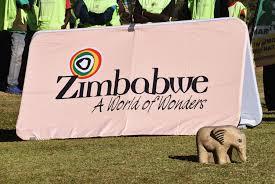
Zimbabwe's tourism sector recorded strong growth in the first quarter of 2026, with receipts rising 14 percent to US$251 million, up from US$221 million in the same period last year, signalling a robust post-pandemic recovery.
Latest figures from the Zimbabwe Tourism Authority (ZTA) show that international tourist arrivals increased by 11 percent to 384,561, compared to 347,555 recorded in the first quarter of 2025.
The sector, which was severely affected following the outbreak of COVID-19 in 2019, is now emerging as one of Zimbabwe's key economic pillars and a major foreign currency earner.
Africa remained the dominant source market, accounting for 75 percent of total arrivals, slightly down from 76 percent last year. However, overseas markets posted stronger growth of 16 percent, with their share increasing to 25 percent — a positive development given their higher spending patterns.
The rebound has been attributed to improved destination competitiveness and increased global visibility, driven in part by the government's re-engagement drive under President Emmerson Mnangagwa.
Tourism Minister Barbara Rwodzi has also received continental recognition, being named Africa's Best Minister of Tourism, while Zimbabwe earned the "Best Natural Destination — Wonders" award at ITB Berlin. Global publication Forbes also listed Zimbabwe among the world's must-visit destinations.
The appointment of George Manyaya as chief executive officer of the ZTA in February is expected to further strengthen destination marketing and investor confidence.
Domestic tourism also played a significant role in the sector's growth, with trips rising sharply to 2.62 million from 1.94 million last year, largely driven by social, religious and educational travel.
Despite the overall positive performance, emerging global challenges have begun to weigh on the sector. Geopolitical tensions in the Middle East contributed to a 12 percent decline in inbound tourism in March, largely due to flight disruptions and rising fuel costs, with long-haul markets most affected.
Hotel occupancy rates showed marginal improvement nationally, averaging 38 percent compared to 37 percent last year, although regional performance varied. Manicaland and Mashonaland East recorded notable gains, while declines were observed in Mashonaland Central and Matabeleland South.
Meanwhile, tourism investment surged by 438 percent to US$67.8 million during the quarter, boosted by a nationwide registration drive by the ZTA aimed at formalising previously unregistered operators and ensuring compliance across the sector.
The continued upward trajectory underscores tourism's growing importance to Zimbabwe's economic recovery, even as global uncertainties pose fresh risks to sustained growth.
Latest figures from the Zimbabwe Tourism Authority (ZTA) show that international tourist arrivals increased by 11 percent to 384,561, compared to 347,555 recorded in the first quarter of 2025.
The sector, which was severely affected following the outbreak of COVID-19 in 2019, is now emerging as one of Zimbabwe's key economic pillars and a major foreign currency earner.
Africa remained the dominant source market, accounting for 75 percent of total arrivals, slightly down from 76 percent last year. However, overseas markets posted stronger growth of 16 percent, with their share increasing to 25 percent — a positive development given their higher spending patterns.
The rebound has been attributed to improved destination competitiveness and increased global visibility, driven in part by the government's re-engagement drive under President Emmerson Mnangagwa.
Tourism Minister Barbara Rwodzi has also received continental recognition, being named Africa's Best Minister of Tourism, while Zimbabwe earned the "Best Natural Destination — Wonders" award at ITB Berlin. Global publication Forbes also listed Zimbabwe among the world's must-visit destinations.
Domestic tourism also played a significant role in the sector's growth, with trips rising sharply to 2.62 million from 1.94 million last year, largely driven by social, religious and educational travel.
Despite the overall positive performance, emerging global challenges have begun to weigh on the sector. Geopolitical tensions in the Middle East contributed to a 12 percent decline in inbound tourism in March, largely due to flight disruptions and rising fuel costs, with long-haul markets most affected.
Hotel occupancy rates showed marginal improvement nationally, averaging 38 percent compared to 37 percent last year, although regional performance varied. Manicaland and Mashonaland East recorded notable gains, while declines were observed in Mashonaland Central and Matabeleland South.
Meanwhile, tourism investment surged by 438 percent to US$67.8 million during the quarter, boosted by a nationwide registration drive by the ZTA aimed at formalising previously unregistered operators and ensuring compliance across the sector.
The continued upward trajectory underscores tourism's growing importance to Zimbabwe's economic recovery, even as global uncertainties pose fresh risks to sustained growth.
Source - newsday
Join the discussion
Loading comments…


