News / National
Exception dismissed in high‑profile High Court fraud case
15 Apr 2026 at 05:15hrs |
0 Views
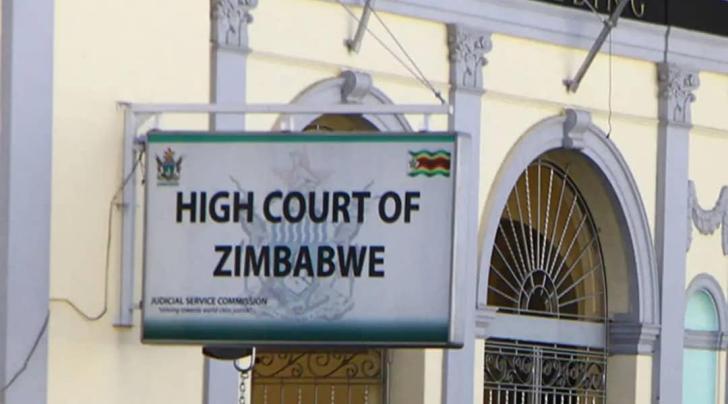
The High Court has dismissed an application by one of two accused persons in a high‑profile fraud case involving alleged misrepresentation to the court and the unlawful transfer of immovable property, clearing the way for the trial to proceed.
The ruling was delivered by Justice Ngoni Nduna in the matter of The State v Zephaniah Matiwaza and Blessing Dube, where the accused face charges arising from a disputed land transaction involving Subdivision A of Imbesu Kraal.
The State alleges that the two acted in concert to mislead the High Court by submitting a lapsed agreement of sale, falsely claiming that Matiwaza had fully paid for the property. On the strength of that alleged misrepresentation, they are accused of securing a court order authorising transfer of the land, causing prejudice to a company said to have had a financial interest in the property.
Before pleading to the charge, Blessing Dube raised an exception, arguing that the indictment was vague, embarrassing and lacked sufficient detail to allow him to prepare a proper defence. He further argued that the charge did not meet the legal standard required under Zimbabwe’s criminal procedure laws and infringed his constitutional right to a fair trial.
However, the court rejected the argument, finding that the indictment contained adequate particulars — including the date, nature of the alleged misrepresentation, the property involved and the alleged prejudice. Justice Nduna held that the indictment, when read together with the State outline, clearly informed the accused of the case they had to answer.
“The charge as preferred by the State is clear and capable of withstanding criticism,” the judge ruled, adding that the issues raised by the defence were matters for trial rather than grounds for a preliminary objection.
The court emphasised that while an accused person has the right to be informed of the charge with reasonable clarity, the law does not require exhaustive detail at the indictment stage. It also warned against attempts to use technical objections to delay or derail criminal proceedings.
As a result, the exception was dismissed, and both accused were ordered to enter their pleas so that the substantive trial may proceed.
The case is expected to continue in the High Court, where the State will seek to prove allegations of fraudulent misrepresentation and unlawful registration of property, while the defence is expected to challenge both the facts and the legality of the prosecution.
The ruling was delivered by Justice Ngoni Nduna in the matter of The State v Zephaniah Matiwaza and Blessing Dube, where the accused face charges arising from a disputed land transaction involving Subdivision A of Imbesu Kraal.
The State alleges that the two acted in concert to mislead the High Court by submitting a lapsed agreement of sale, falsely claiming that Matiwaza had fully paid for the property. On the strength of that alleged misrepresentation, they are accused of securing a court order authorising transfer of the land, causing prejudice to a company said to have had a financial interest in the property.
Before pleading to the charge, Blessing Dube raised an exception, arguing that the indictment was vague, embarrassing and lacked sufficient detail to allow him to prepare a proper defence. He further argued that the charge did not meet the legal standard required under Zimbabwe’s criminal procedure laws and infringed his constitutional right to a fair trial.
“The charge as preferred by the State is clear and capable of withstanding criticism,” the judge ruled, adding that the issues raised by the defence were matters for trial rather than grounds for a preliminary objection.
The court emphasised that while an accused person has the right to be informed of the charge with reasonable clarity, the law does not require exhaustive detail at the indictment stage. It also warned against attempts to use technical objections to delay or derail criminal proceedings.
As a result, the exception was dismissed, and both accused were ordered to enter their pleas so that the substantive trial may proceed.
The case is expected to continue in the High Court, where the State will seek to prove allegations of fraudulent misrepresentation and unlawful registration of property, while the defence is expected to challenge both the facts and the legality of the prosecution.
Source - Byo24news
Join the discussion
Loading comments…



