News / National
Gwayi-Shangani Lake reaches 75% completion
29 Apr 2026 at 19:01hrs |
0 Views
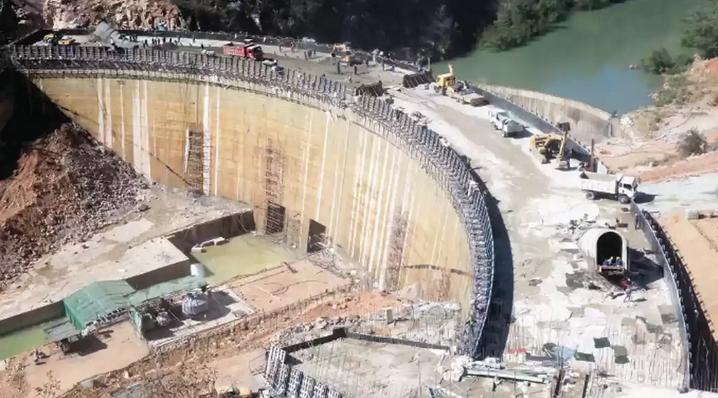
Zimbabwe's flagship Gwayi-Shangani Dam project has reached 75 percent completion, with authorities expressing confidence it will be finished by the end of 2026 after decades of delays.
The long-awaited dam, first proposed in 1924, is expected to significantly improve water security in Bulawayo and surrounding areas, while unlocking new economic opportunities in Matabeleland North.
Project engineers say major components of the dam are advancing steadily toward completion.
Assistant Resident Engineer Joakim Banda said construction milestones include progress on the mini-hydro plant, intake tower and Pump Station Zero - a critical facility designed to convey water to Bulawayo.
"The left bank embankment now stands at 49 metres, while the right bank is at 47 metres. The spillway section is at 45 metres against a target of 61 metres, leaving about 15 metres to reach full supply level," Banda said.
Authorities credit consistent government funding for accelerating the pace of work. Since mid-2025, Treasury has reportedly been releasing about US$5 million monthly to support construction.
Banda said the steady disbursements have allowed contractors to maintain continuous operations, keeping the project on track for completion by year-end.
Matabeleland North Minister of State for Provincial Affairs, Richard Moyo, praised the progress, describing it as a major milestone for the region.
"We are impressed by the remarkable progress… We look forward to the transformative impact this project will have on the province and beyond," he said.
Beyond addressing chronic water shortages, the dam is expected to drive broader economic development.
A planned 256-kilometre pipeline will supply water to Bulawayo, while also creating a green belt that could boost agricultural production and rural livelihoods along its route.
The project is also expected to support fisheries and tourism, with its proximity to wildlife areas positioning it as a potential economic hub.
Once completed, the Gwayi-Shangani Dam is set to become a cornerstone of Zimbabwe's long-term water and infrastructure strategy, particularly for drought-prone regions in the country's south-west.
The long-awaited dam, first proposed in 1924, is expected to significantly improve water security in Bulawayo and surrounding areas, while unlocking new economic opportunities in Matabeleland North.
Project engineers say major components of the dam are advancing steadily toward completion.
Assistant Resident Engineer Joakim Banda said construction milestones include progress on the mini-hydro plant, intake tower and Pump Station Zero - a critical facility designed to convey water to Bulawayo.
"The left bank embankment now stands at 49 metres, while the right bank is at 47 metres. The spillway section is at 45 metres against a target of 61 metres, leaving about 15 metres to reach full supply level," Banda said.
Authorities credit consistent government funding for accelerating the pace of work. Since mid-2025, Treasury has reportedly been releasing about US$5 million monthly to support construction.
Banda said the steady disbursements have allowed contractors to maintain continuous operations, keeping the project on track for completion by year-end.
Matabeleland North Minister of State for Provincial Affairs, Richard Moyo, praised the progress, describing it as a major milestone for the region.
"We are impressed by the remarkable progress… We look forward to the transformative impact this project will have on the province and beyond," he said.
Beyond addressing chronic water shortages, the dam is expected to drive broader economic development.
A planned 256-kilometre pipeline will supply water to Bulawayo, while also creating a green belt that could boost agricultural production and rural livelihoods along its route.
The project is also expected to support fisheries and tourism, with its proximity to wildlife areas positioning it as a potential economic hub.
Once completed, the Gwayi-Shangani Dam is set to become a cornerstone of Zimbabwe's long-term water and infrastructure strategy, particularly for drought-prone regions in the country's south-west.
Source - zbc
Join the discussion
Loading comments…


