News / National
Chiwenga, Mohadi skip crucial Zanu PF politburo meeting?
06 May 2026 at 20:44hrs |
1943 Views
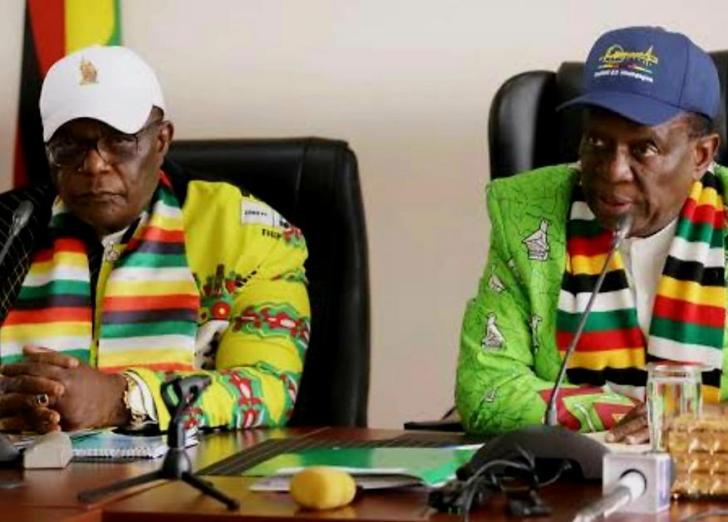
A high-stakes ZANU PF politburo meeting proceeded in Harare on Wednesday without Vice-Presidents Constantino Chiwenga and Kembo Mohadi, as the ruling party convened its final session before Parliament votes on the contentious Constitution of Zimbabwe Amendment (No. 3) Bill.
President Emmerson Mnangagwa chaired the meeting, flanked by party secretary Jacob Mudenda and chairperson Oppah Muchinguri-Kashiri — positions typically occupied by his two deputies.
Presidential spokesperson George Charamba said the vice-presidents were "on government assignments," declining to provide further details.
The meeting comes at a critical political juncture, with Parliament expected to vote on sweeping constitutional changes that have sparked intense national debate. Reports suggest Chiwenga opposes the proposed amendments, while Mohadi has remained publicly non-committal.
In brief remarks before journalists, Mnangagwa made no reference to the proposed changes.
The Constitution of Zimbabwe Amendment (No. 3) Bill, gazetted in February, proposes far-reaching reforms to the country's governance framework. Key provisions include extending presidential and parliamentary terms from five to seven years, altering the method of electing the president from direct popular vote to selection by Parliament, and expanding the Senate from 80 to 90 members - with additional presidential appointees.
The Bill also includes transitional provisions that would effectively extend Mnangagwa's current tenure beyond its 2028 constitutional limit to 2030, a move critics argue violates protections against retroactive changes to term limits.
Further proposals include restructuring independent commissions, such as transferring functions of the Zimbabwe Gender Commission and the National Peace and Reconciliation Commission to the Zimbabwe Human Rights Commission, and shifting control of the voters' roll from the Zimbabwe Electoral Commission to the Registrar-General.
Government has defended the reforms as necessary for stability and continuity, arguing they will allow long-term development programmes to be fully implemented.
Critics, however, have condemned the Bill, calling for a national referendum and arguing that recent public consultations were rushed and limited in scope.
With ZANU PF holding a strong parliamentary majority, the legislation is widely expected to pass — a development some analysts say could mark a defining moment for Zimbabwe's post-2013 constitutional order.
Political tensions have also spilled into regional dynamics. A recent informal meeting between Mnangagwa and Cyril Ramaphosa at the President's farm near Kwekwe drew scrutiny, particularly due to the absence of Zimbabwe's vice-presidents and the presence of controversial business figures.
Among those reported to have been present were businessman Wicknell Chivayo, who is under investigation in South Africa over alleged money laundering, and tycoon Kudakwashe Tagwirei, whose growing political ambitions have been linked to internal power dynamics within the ruling party.
The unfolding developments underscore deepening fault lines within Zimbabwe's political establishment, as the country approaches a pivotal parliamentary vote that could reshape its governance and electoral landscape.
President Emmerson Mnangagwa chaired the meeting, flanked by party secretary Jacob Mudenda and chairperson Oppah Muchinguri-Kashiri — positions typically occupied by his two deputies.
Presidential spokesperson George Charamba said the vice-presidents were "on government assignments," declining to provide further details.
The meeting comes at a critical political juncture, with Parliament expected to vote on sweeping constitutional changes that have sparked intense national debate. Reports suggest Chiwenga opposes the proposed amendments, while Mohadi has remained publicly non-committal.
In brief remarks before journalists, Mnangagwa made no reference to the proposed changes.
The Constitution of Zimbabwe Amendment (No. 3) Bill, gazetted in February, proposes far-reaching reforms to the country's governance framework. Key provisions include extending presidential and parliamentary terms from five to seven years, altering the method of electing the president from direct popular vote to selection by Parliament, and expanding the Senate from 80 to 90 members - with additional presidential appointees.
The Bill also includes transitional provisions that would effectively extend Mnangagwa's current tenure beyond its 2028 constitutional limit to 2030, a move critics argue violates protections against retroactive changes to term limits.
Government has defended the reforms as necessary for stability and continuity, arguing they will allow long-term development programmes to be fully implemented.
Critics, however, have condemned the Bill, calling for a national referendum and arguing that recent public consultations were rushed and limited in scope.
With ZANU PF holding a strong parliamentary majority, the legislation is widely expected to pass — a development some analysts say could mark a defining moment for Zimbabwe's post-2013 constitutional order.
Political tensions have also spilled into regional dynamics. A recent informal meeting between Mnangagwa and Cyril Ramaphosa at the President's farm near Kwekwe drew scrutiny, particularly due to the absence of Zimbabwe's vice-presidents and the presence of controversial business figures.
Among those reported to have been present were businessman Wicknell Chivayo, who is under investigation in South Africa over alleged money laundering, and tycoon Kudakwashe Tagwirei, whose growing political ambitions have been linked to internal power dynamics within the ruling party.
The unfolding developments underscore deepening fault lines within Zimbabwe's political establishment, as the country approaches a pivotal parliamentary vote that could reshape its governance and electoral landscape.
Source - zimlive
Join the discussion
Loading comments…





