News / National
Home meetings can be criminalised, says Kazembe
10 May 2026 at 19:39hrs |
0 Views
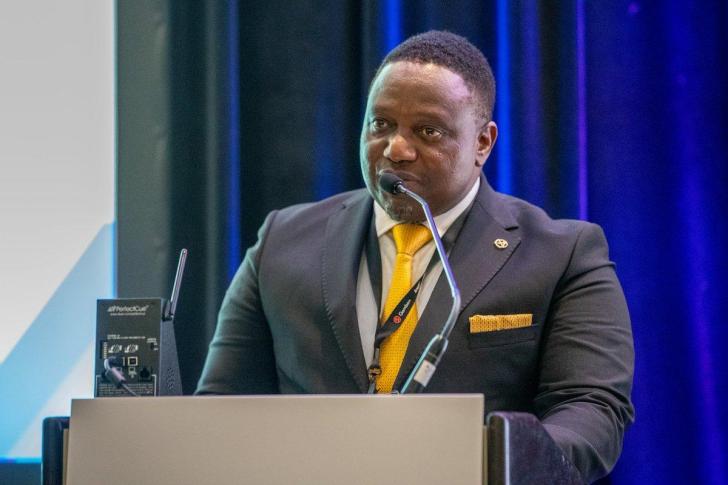
Home Affairs Minister Kazembe Kazembe has told Parliament that the government may arrest citizens for holding political meetings inside private homes, a position that has triggered strong backlash from legal and human rights circles.
The remarks come amid growing political tension linked to Constitutional Amendment Bill No. 3 (CAB3), a proposed change that would extend President Emmerson Mnangagwa’s time in office beyond the current constitutional limit of 2028, potentially until 2030.
Kazembe made the comments in response to questions raised in Parliament about the detention of opposition figures and activists, including lawyer Tendai Biti, who were reportedly arrested after attending meetings held in private residences.
He acknowledged that Sections 57 and 58 of the Constitution protect privacy and freedom of assembly, but argued that those protections do not automatically apply when political discussions take place in private homes if the intent is considered political mobilisation.
According to Kazembe, a private residence can be reclassified as a public space once it is used for political meetings, especially if the gatherings are linked to what authorities consider potential unrest or organised opposition activity.
He cited Section 86(2)(b) of the Constitution, which allows limitations on rights in the interest of public safety and national security, to justify the government’s position.
The minister further argued that the legality of a gathering depends not only on its location but also on its purpose and effect, suggesting that political intent could override the expectation of privacy in domestic settings.
Human rights organisations and legal analysts have strongly criticised the interpretation, warning that it risks undermining constitutional protections by effectively criminalising political association and discussion in private spaces.
Critics say the approach expands state powers in a way that could be used to suppress dissent linked to the ongoing debate over the constitutional amendment process and the proposed extension of presidential tenure.
Kazembe, however, maintained that the state’s priority is preventing unlawful conduct and safeguarding public order, insisting that any meeting intended to incite disruption remains subject to arrest regardless of where it takes place.
The controversy adds to rising political tensions as debates over CAB3 continue to dominate Zimbabwe’s constitutional and political landscape.
The remarks come amid growing political tension linked to Constitutional Amendment Bill No. 3 (CAB3), a proposed change that would extend President Emmerson Mnangagwa’s time in office beyond the current constitutional limit of 2028, potentially until 2030.
Kazembe made the comments in response to questions raised in Parliament about the detention of opposition figures and activists, including lawyer Tendai Biti, who were reportedly arrested after attending meetings held in private residences.
He acknowledged that Sections 57 and 58 of the Constitution protect privacy and freedom of assembly, but argued that those protections do not automatically apply when political discussions take place in private homes if the intent is considered political mobilisation.
According to Kazembe, a private residence can be reclassified as a public space once it is used for political meetings, especially if the gatherings are linked to what authorities consider potential unrest or organised opposition activity.
He cited Section 86(2)(b) of the Constitution, which allows limitations on rights in the interest of public safety and national security, to justify the government’s position.
The minister further argued that the legality of a gathering depends not only on its location but also on its purpose and effect, suggesting that political intent could override the expectation of privacy in domestic settings.
Human rights organisations and legal analysts have strongly criticised the interpretation, warning that it risks undermining constitutional protections by effectively criminalising political association and discussion in private spaces.
Critics say the approach expands state powers in a way that could be used to suppress dissent linked to the ongoing debate over the constitutional amendment process and the proposed extension of presidential tenure.
Kazembe, however, maintained that the state’s priority is preventing unlawful conduct and safeguarding public order, insisting that any meeting intended to incite disruption remains subject to arrest regardless of where it takes place.
The controversy adds to rising political tensions as debates over CAB3 continue to dominate Zimbabwe’s constitutional and political landscape.
Source - The Standard
Join the discussion
Loading comments…




