News / National
Chiefs' boundary case collapses over affidavit error
10 May 2026 at 20:21hrs |
0 Views
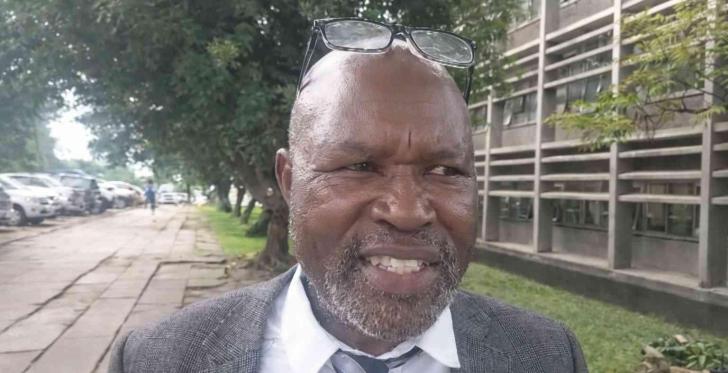
A long-running boundary dispute between two prominent traditional leaders collapsed in the High Court last week after a technical error was discovered in court papers filed by Chief Murinye.
Chief Murinye, born Ephias Munodawafa, had sought a declaratory order confirming his authority over the Boroma area near Great Zimbabwe. He accused Chief Mugabe, born Matubede Mudavanhu, of encroaching into his jurisdiction despite a 2017 agreement that allegedly placed Boroma under Murinye's control.
However, Justice Jacob Manzunzu struck the matter off the roll after upholding a preliminary objection concerning the validity of Chief Murinye's founding affidavit.
The court heard that the affidavit stated Chief Murinye had taken his oath in Harare, yet the commissioner of oaths who signed and stamped the document was based in Masvingo. Under High Court rules, both the deponent and commissioner of oaths must be physically present together when the oath is administered.
Justice Manzunzu ruled that the discrepancy rendered the affidavit "fatally defective", stressing that courts must strictly enforce proper commissioning procedures to avoid abuse and irregularities.
The judge also found procedural shortcomings in the application, noting that Chief Murinye had failed to exhaust internal dispute-resolution mechanisms provided under the Constitution and the Traditional Leaders Act.
Section 286(1)(f) of the Constitution requires disputes involving traditional leaders to first be referred to the Provincial Assembly of Chiefs for mediation and settlement efforts before approaching the courts.
Although the judge clarified that bodies such as the Provincial Assembly of Chiefs and the National Chiefs Council cannot issue binding legal declarations — powers reserved for the High Court — he said bypassing those structures weakened the application.
As a result, the matter was dismissed without the court determining the actual ownership or jurisdiction of the disputed Boroma area, leaving the boundary conflict unresolved.
Chief Murinye, born Ephias Munodawafa, had sought a declaratory order confirming his authority over the Boroma area near Great Zimbabwe. He accused Chief Mugabe, born Matubede Mudavanhu, of encroaching into his jurisdiction despite a 2017 agreement that allegedly placed Boroma under Murinye's control.
However, Justice Jacob Manzunzu struck the matter off the roll after upholding a preliminary objection concerning the validity of Chief Murinye's founding affidavit.
The court heard that the affidavit stated Chief Murinye had taken his oath in Harare, yet the commissioner of oaths who signed and stamped the document was based in Masvingo. Under High Court rules, both the deponent and commissioner of oaths must be physically present together when the oath is administered.
The judge also found procedural shortcomings in the application, noting that Chief Murinye had failed to exhaust internal dispute-resolution mechanisms provided under the Constitution and the Traditional Leaders Act.
Section 286(1)(f) of the Constitution requires disputes involving traditional leaders to first be referred to the Provincial Assembly of Chiefs for mediation and settlement efforts before approaching the courts.
Although the judge clarified that bodies such as the Provincial Assembly of Chiefs and the National Chiefs Council cannot issue binding legal declarations — powers reserved for the High Court — he said bypassing those structures weakened the application.
As a result, the matter was dismissed without the court determining the actual ownership or jurisdiction of the disputed Boroma area, leaving the boundary conflict unresolved.
Source - Southern Eye
Join the discussion
Loading comments…


