News / National
Zimbabwe reopens door to private maize imports
17 Sep 2026 at 17:05hrs |
0 Views
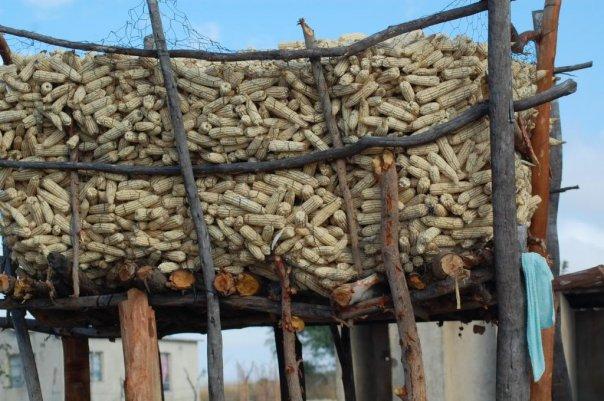
Zimbabwe has reversed a grain import-substitution policy introduced last year, allowing private-sector maize imports as Government prepares for a projected sharp decline in cereal production during the 2026/27 agricultural season.
Cabinet announced on Wednesday that private companies would be permitted to import grain to meet commercial requirements for both food and livestock feed.
Government also said household import allowances for basic foodstuffs would be reviewed upwards, effectively putting on hold a localisation policy that had sought to increase reliance on locally produced grain.
The policy, introduced through Statutory Instrument 87 of 2025, required millers to source at least 40 percent of their grain locally from April 2026. The proportion was scheduled to increase gradually, reaching 100 percent by April 2028.
The measure was intended to conserve foreign currency and promote the development of a self-sufficient local grain-milling industry.
However, Government has now revised its production outlook amid forecasts of an El Niño-related drought, with cereal output projected to fall from 2.74 million tonnes in the 2025/26 season to about 1.6 million tonnes in 2026/27.
That represents an estimated 42 percent decline and could leave Zimbabwe with a cereal deficit ranging between 266 881 tonnes and 541 881 tonnes, according to Government projections.
The policy reversal comes only months after Zimbabwe recorded an improved harvest in the 2025/26 season.
The second-round crop assessment put maize production at 2.35 million tonnes, up from 2.29 million tonnes during the previous season.
The stronger harvest contributed to a 34 percent decline in maize imports during the season, while the maize import bill fell from US$53.2 million in March 2026 to US$30.2 million in April, representing a 43 percent month-on-month decrease.
However, concerns over local grain availability have emerged in recent months.
In August, the Grain Millers Association's southern region reported that local maize supplies had significantly declined, claiming that Blue Ribbon and 23 other millers in Bulawayo had stopped milling operations.
Government disputed the claim at the time.
The latest policy shift now allows private-sector players to source maize from outside the country as Government responds to the projected production shortfall.
The reversal has also raised questions about the sustainability of Zimbabwe's import-substitution strategy and whether agricultural production assessments are adequately reflecting changing conditions affecting millers, brewers and other major grain consumers.
The Government's decision means the private sector will once again have greater scope to access imported maize to supplement domestic supplies and meet projected demand during the 2026/27 season.
Cabinet announced on Wednesday that private companies would be permitted to import grain to meet commercial requirements for both food and livestock feed.
Government also said household import allowances for basic foodstuffs would be reviewed upwards, effectively putting on hold a localisation policy that had sought to increase reliance on locally produced grain.
The policy, introduced through Statutory Instrument 87 of 2025, required millers to source at least 40 percent of their grain locally from April 2026. The proportion was scheduled to increase gradually, reaching 100 percent by April 2028.
The measure was intended to conserve foreign currency and promote the development of a self-sufficient local grain-milling industry.
However, Government has now revised its production outlook amid forecasts of an El Niño-related drought, with cereal output projected to fall from 2.74 million tonnes in the 2025/26 season to about 1.6 million tonnes in 2026/27.
That represents an estimated 42 percent decline and could leave Zimbabwe with a cereal deficit ranging between 266 881 tonnes and 541 881 tonnes, according to Government projections.
The policy reversal comes only months after Zimbabwe recorded an improved harvest in the 2025/26 season.
The second-round crop assessment put maize production at 2.35 million tonnes, up from 2.29 million tonnes during the previous season.
The stronger harvest contributed to a 34 percent decline in maize imports during the season, while the maize import bill fell from US$53.2 million in March 2026 to US$30.2 million in April, representing a 43 percent month-on-month decrease.
However, concerns over local grain availability have emerged in recent months.
In August, the Grain Millers Association's southern region reported that local maize supplies had significantly declined, claiming that Blue Ribbon and 23 other millers in Bulawayo had stopped milling operations.
Government disputed the claim at the time.
The latest policy shift now allows private-sector players to source maize from outside the country as Government responds to the projected production shortfall.
The reversal has also raised questions about the sustainability of Zimbabwe's import-substitution strategy and whether agricultural production assessments are adequately reflecting changing conditions affecting millers, brewers and other major grain consumers.
The Government's decision means the private sector will once again have greater scope to access imported maize to supplement domestic supplies and meet projected demand during the 2026/27 season.
Source - newsday
Join the discussion
Loading comments…



