News / National
Zimbabwe moves closer to ZiG mono-currency regime
2 hrs ago |
80 Views
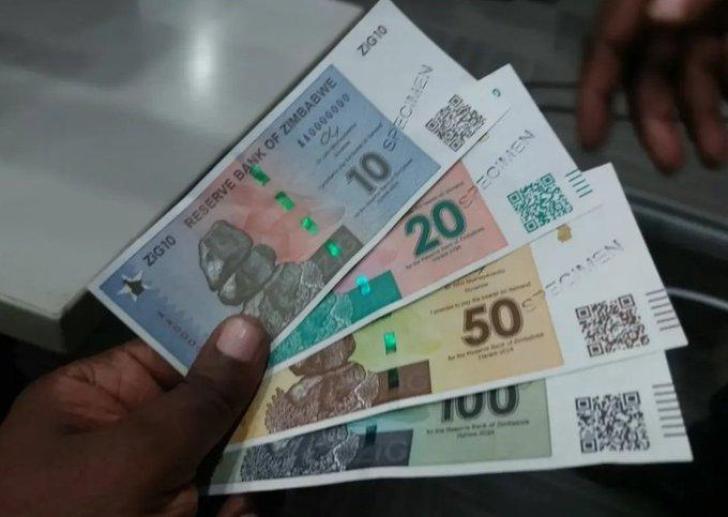
Zimbabwe's transition towards a mono-currency regime gained momentum in the third quarter of 2026, with stronger foreign currency inflows, rising reserves, sustained trade surpluses and low inflation pushing the country closer to meeting key conditions set by the Reserve Bank of Zimbabwe (RBZ).
Official performance indicators show that the weighted score for the country's mono-currency transition conditions rose to 54.9% in September 2026, up from 50.1% in August.
The transition to a single-currency system anchored on the Zimbabwe Gold (ZiG) is being driven by economic conditions rather than a fixed deadline. The RBZ has established eight objective conditions precedent that must be sustainably achieved before the existing multi-currency regime is phased out.
Among the key requirements is the accumulation and maintenance of foreign currency reserves equivalent to between three and six months of import cover.
Zimbabwe must also sustain single-digit inflation over the medium to long term, establish a unified and functional foreign exchange market, and achieve broader adoption of the ZiG by households, businesses and investors.
The central bank attributed the latest progress primarily to accelerated foreign reserve accumulation and sustained low inflation.
Foreign currency inflows reached a record US$15.9 billion between January and September 2026, significantly higher than the US$11.9 billion recorded during the corresponding period last year.
The strong inflows supported consecutive monthly trade surpluses during the third quarter, with the country recording a US$526.5 million surplus in August, up from US$320 million in July.
Foreign currency reserves also reached US$2 billion in September, although this represented approximately two months of import cover, leaving Zimbabwe below the three-to-six-month benchmark set for the mono-currency transition.
The ZiG remained relatively stable against the United States dollar during the period, trading between ZiG25 and ZiG27 to the US dollar, while the premium on the parallel market fell below 15%.
There were also signs of increased use of the local currency within the formal financial system.
ZiG-denominated transactions processed through the National Payment System consistently accounted for more than 40% of total transaction volumes during the quarter.
Inflationary pressures also remained subdued. Annual ZiG inflation fell to a historic low of 2.9% in August, before edging up to 3.7% in September, largely due to higher fuel costs and rental adjustments.
Meanwhile, reserve money remained capped at approximately ZiG7.5 billion at the end of September, keeping liquidity within the agreed thresholds under Zimbabwe's ongoing International Monetary Fund Staff Monitored Programme.
The latest figures suggest that Zimbabwe has made measurable progress towards creating the conditions required for a return to a single domestic currency.
However, the country still has significant ground to cover, particularly on reserve adequacy and the broader adoption and confidence in the ZiG, before the multi-currency system can be sustainably phased out.
Official performance indicators show that the weighted score for the country's mono-currency transition conditions rose to 54.9% in September 2026, up from 50.1% in August.
The transition to a single-currency system anchored on the Zimbabwe Gold (ZiG) is being driven by economic conditions rather than a fixed deadline. The RBZ has established eight objective conditions precedent that must be sustainably achieved before the existing multi-currency regime is phased out.
Among the key requirements is the accumulation and maintenance of foreign currency reserves equivalent to between three and six months of import cover.
Zimbabwe must also sustain single-digit inflation over the medium to long term, establish a unified and functional foreign exchange market, and achieve broader adoption of the ZiG by households, businesses and investors.
The central bank attributed the latest progress primarily to accelerated foreign reserve accumulation and sustained low inflation.
Foreign currency inflows reached a record US$15.9 billion between January and September 2026, significantly higher than the US$11.9 billion recorded during the corresponding period last year.
The strong inflows supported consecutive monthly trade surpluses during the third quarter, with the country recording a US$526.5 million surplus in August, up from US$320 million in July.
Foreign currency reserves also reached US$2 billion in September, although this represented approximately two months of import cover, leaving Zimbabwe below the three-to-six-month benchmark set for the mono-currency transition.
The ZiG remained relatively stable against the United States dollar during the period, trading between ZiG25 and ZiG27 to the US dollar, while the premium on the parallel market fell below 15%.
There were also signs of increased use of the local currency within the formal financial system.
ZiG-denominated transactions processed through the National Payment System consistently accounted for more than 40% of total transaction volumes during the quarter.
Inflationary pressures also remained subdued. Annual ZiG inflation fell to a historic low of 2.9% in August, before edging up to 3.7% in September, largely due to higher fuel costs and rental adjustments.
Meanwhile, reserve money remained capped at approximately ZiG7.5 billion at the end of September, keeping liquidity within the agreed thresholds under Zimbabwe's ongoing International Monetary Fund Staff Monitored Programme.
The latest figures suggest that Zimbabwe has made measurable progress towards creating the conditions required for a return to a single domestic currency.
However, the country still has significant ground to cover, particularly on reserve adequacy and the broader adoption and confidence in the ZiG, before the multi-currency system can be sustainably phased out.
Source - the herald
Join the discussion
Loading comments…



