Opinion / Columnist
The Man in the Arena, or The Man in America? The Reckoning of Nelson Chamisa
09 Apr 2026 at 07:42hrs |
0 Views
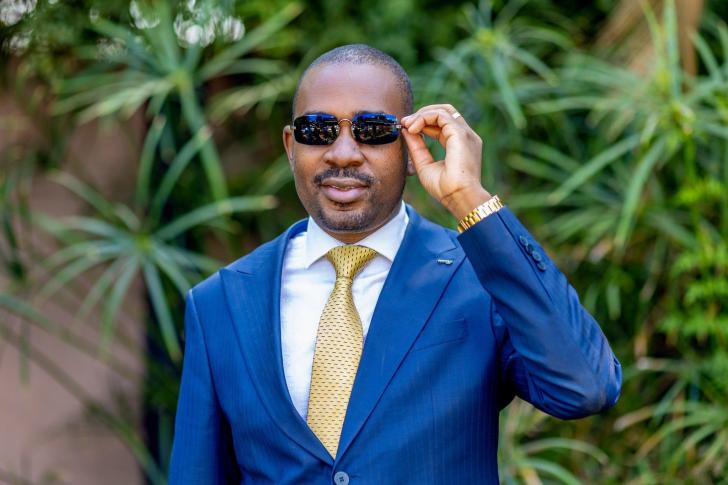
For years, Nelson Chamisa painted himself as the heir to Zimbabwe’s democratic dream—the youthful, eloquent "Saviour" who would finally dislodge the ruling ZANU-PF establishment. Yet, as the political fog clears in 2026, a grimmer, more inconvenient portrait is emerging. The narrative of the besieged leader is collapsing under the weight of his own actions, particularly regarding his relocation to the United States. While his loyalists scramble to spin a tale of exile for "security reasons," the reality looks less like political asylum and more like an abandonment of a movement he swore to lead.
To understand the frustration with Chamisa, one must first acknowledge the very real context of political violence in Zimbabwe that he has long cited as a threat. The claims are not baseless. There are documented reports of assassination plots against him, including allegations from a UK investigative unit that Zimbabwe’s Central Intelligence Organisation (CIO) considered eliminating him in 2020 . The opposition landscape is littered with the wreckage of political violence—from the bombing of activist Job Sikhala’s home while his children were inside to petrol bomb attacks on activists’ family homes . For decades, dissent in Zimbabwe has often come at the cost of safety.
However, there is a critical distinction that Chamisa’s most fervent supporters refuse to make: the difference between a genuine political refugee and a leader who leaves his flock to the wolves.
Chamisa argues he took his family out of the country for "security reasons." Yet, as the query rightly points out, his immediate family was never specifically targeted in the documented wave of harassment. If the security situation is untenable for his bloodline, why is it tenable for the bloodline of his supporters? His argument implies a hierarchy of safety—that the lives of his relatives are too precious to risk, while the teenagers and grandmothers who vote for him must simply endure the brutality of the "Second Republic."
This is the crux of the betrayal. While Chamisa is reportedly comfortable in the United States, studying and working, his former allies are the ones facing the music. Consider Job Sikhala, who spent 595 days in pre-trial detention for inciting violence, only to have his home bombed later . Consider the activists in Highfields whose homes were petrol bombed by suspected state agents . These are not abstract "supporters"; these are the foot soldiers of change. They are the ones who stayed behind to face the tear gas, the batons, and the legal "lawfare" that Chamisa decries from a safe distance .
The "security" excuse also rings hollow given the internal accusations of hypocrisy. Reports suggest that while Chamisa claimed the state was hunting him, he was allegedly utilizing security provided by the very CIO he claimed to fear, leading to accusations that his hardline stance was a performance . Furthermore, his immediate reaction to criticism on social media—blocking long-time allies like activist Nqobizitha Mlambo for merely questioning his "pluralism"—suggests a leader less interested in a liberation struggle and more concerned with maintaining a cult of personality .
His supporters on social media remain the most tragic figures in this saga. Charlton Hwende, a former Chamisa confidant, recently labeled these loyalists "paid trolls" after they attacked him for merely wishing Chamisa a happy birthday . Whether they are paid or simply zealots, the outcome is the same: they are fighting a PR war for a man who has physically left the battlefield. They scream about "Change" and "God is in it," but these are just hashtags masking the leader’s strategic ambiguity .
The truth is harsh but necessary. A leader who moves his entire household to a safe haven while expecting his constituents to remain in the line of fire is not a martyr; he is a manager of a diaspora-based brand. Nelson Chamisa had the opportunity to be Zimbabwe’s Mandela, but by choosing the comfort of American suburbia over the trenches of Zimbabwean politics, he has settled for being a cautionary tale.
His supporters would do well to stop worshipping the man and start scrutinizing the track record. You cannot lead a revolution via Zoom. You cannot liberate a country from a green card. And you cannot call yourself a "Saviour" when you have saved no one but yourself.
To understand the frustration with Chamisa, one must first acknowledge the very real context of political violence in Zimbabwe that he has long cited as a threat. The claims are not baseless. There are documented reports of assassination plots against him, including allegations from a UK investigative unit that Zimbabwe’s Central Intelligence Organisation (CIO) considered eliminating him in 2020 . The opposition landscape is littered with the wreckage of political violence—from the bombing of activist Job Sikhala’s home while his children were inside to petrol bomb attacks on activists’ family homes . For decades, dissent in Zimbabwe has often come at the cost of safety.
However, there is a critical distinction that Chamisa’s most fervent supporters refuse to make: the difference between a genuine political refugee and a leader who leaves his flock to the wolves.
Chamisa argues he took his family out of the country for "security reasons." Yet, as the query rightly points out, his immediate family was never specifically targeted in the documented wave of harassment. If the security situation is untenable for his bloodline, why is it tenable for the bloodline of his supporters? His argument implies a hierarchy of safety—that the lives of his relatives are too precious to risk, while the teenagers and grandmothers who vote for him must simply endure the brutality of the "Second Republic."
This is the crux of the betrayal. While Chamisa is reportedly comfortable in the United States, studying and working, his former allies are the ones facing the music. Consider Job Sikhala, who spent 595 days in pre-trial detention for inciting violence, only to have his home bombed later . Consider the activists in Highfields whose homes were petrol bombed by suspected state agents . These are not abstract "supporters"; these are the foot soldiers of change. They are the ones who stayed behind to face the tear gas, the batons, and the legal "lawfare" that Chamisa decries from a safe distance .
The "security" excuse also rings hollow given the internal accusations of hypocrisy. Reports suggest that while Chamisa claimed the state was hunting him, he was allegedly utilizing security provided by the very CIO he claimed to fear, leading to accusations that his hardline stance was a performance . Furthermore, his immediate reaction to criticism on social media—blocking long-time allies like activist Nqobizitha Mlambo for merely questioning his "pluralism"—suggests a leader less interested in a liberation struggle and more concerned with maintaining a cult of personality .
His supporters on social media remain the most tragic figures in this saga. Charlton Hwende, a former Chamisa confidant, recently labeled these loyalists "paid trolls" after they attacked him for merely wishing Chamisa a happy birthday . Whether they are paid or simply zealots, the outcome is the same: they are fighting a PR war for a man who has physically left the battlefield. They scream about "Change" and "God is in it," but these are just hashtags masking the leader’s strategic ambiguity .
The truth is harsh but necessary. A leader who moves his entire household to a safe haven while expecting his constituents to remain in the line of fire is not a martyr; he is a manager of a diaspora-based brand. Nelson Chamisa had the opportunity to be Zimbabwe’s Mandela, but by choosing the comfort of American suburbia over the trenches of Zimbabwean politics, he has settled for being a cautionary tale.
His supporters would do well to stop worshipping the man and start scrutinizing the track record. You cannot lead a revolution via Zoom. You cannot liberate a country from a green card. And you cannot call yourself a "Saviour" when you have saved no one but yourself.
Source - Fanuel Chinowaita
All articles and letters published on Bulawayo24 have been independently written by members of Bulawayo24's community. The views of users published on Bulawayo24 are therefore their own and do not necessarily represent the views of Bulawayo24. Bulawayo24 editors also reserve the right to edit or delete any and all comments received.
Join the discussion
Loading comments…





