News / National
ConCourt reserves judgment in CAB3 challenge
20 May 2026 at 16:14hrs |
0 Views
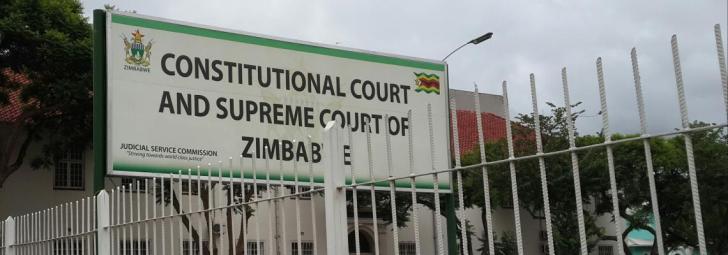
The Constitutional Court (Constitutional Court of Zimbabwe) has reserved judgment in two closely related cases challenging proposed constitutional amendments that could extend presidential and parliamentary terms, amid arguments that the changes may unlawfully benefit sitting officeholders.
The cases were brought by a group of war veterans led by Reuben Zulu and former opposition MP Prince Dubeko Sibanda, and both are being argued by constitutional law expert Lovemore Madhuku.
The applicants are contesting provisions linked to Constitution Amendment Bill No. 3, which seeks to extend presidential and parliamentary terms from five to seven years and introduce broader electoral system changes affecting executive office.
At the centre of the dispute is Section 328(7) of the Constitution, which bars incumbents from benefiting from constitutional amendments that extend the duration of their current or equivalent term of office.
Madhuku told reporters that arguments focused heavily on alleged violations of this provision, which he described as an "incumbent-protection rule" designed to prevent sitting leaders from extending their own tenure through constitutional changes.
He said the court heard submissions in both the war veterans' case and the Sibanda application before reserving judgment.
Justice Ben Hlatshwayo reportedly noted that some of the issues raised could potentially be addressed through a referendum, although no determination has yet been made.
The war veterans' application argues that President Emmerson Mnangagwa improperly presided over Cabinet processes that approved amendments from which he would directly benefit, constituting a conflict of interest and a breach of constitutional principles.
They are seeking an order to interdict the President from assenting to the proposed law and to have Cabinet's approval of the Bill declared invalid.
The Sibanda case similarly challenges clauses described as "constitutionally incompetent," particularly provisions that attempt to override Section 328(7) through wording such as “notwithstanding Section 328(7).”
Sibanda is asking the court to strike out or excise the disputed clauses, or alternatively compel Parliament to withdraw and reintroduce the Bill in a constitutionally compliant form.
Legal arguments also question whether the proposed changes unlawfully bypass the requirement for a referendum and whether they undermine citizens' rights to directly elect the head of state.
The government, however, maintains that the amendments relate to structural adjustments in governance and electoral cycles, rather than unconstitutional term extensions.
The Constitutional Court's ruling is expected to have significant implications for the future of the proposed reforms and the interpretation of constitutional safeguards governing term limits and executive power.
The cases were brought by a group of war veterans led by Reuben Zulu and former opposition MP Prince Dubeko Sibanda, and both are being argued by constitutional law expert Lovemore Madhuku.
The applicants are contesting provisions linked to Constitution Amendment Bill No. 3, which seeks to extend presidential and parliamentary terms from five to seven years and introduce broader electoral system changes affecting executive office.
At the centre of the dispute is Section 328(7) of the Constitution, which bars incumbents from benefiting from constitutional amendments that extend the duration of their current or equivalent term of office.
Madhuku told reporters that arguments focused heavily on alleged violations of this provision, which he described as an "incumbent-protection rule" designed to prevent sitting leaders from extending their own tenure through constitutional changes.
He said the court heard submissions in both the war veterans' case and the Sibanda application before reserving judgment.
Justice Ben Hlatshwayo reportedly noted that some of the issues raised could potentially be addressed through a referendum, although no determination has yet been made.
The war veterans' application argues that President Emmerson Mnangagwa improperly presided over Cabinet processes that approved amendments from which he would directly benefit, constituting a conflict of interest and a breach of constitutional principles.
They are seeking an order to interdict the President from assenting to the proposed law and to have Cabinet's approval of the Bill declared invalid.
The Sibanda case similarly challenges clauses described as "constitutionally incompetent," particularly provisions that attempt to override Section 328(7) through wording such as “notwithstanding Section 328(7).”
Sibanda is asking the court to strike out or excise the disputed clauses, or alternatively compel Parliament to withdraw and reintroduce the Bill in a constitutionally compliant form.
Legal arguments also question whether the proposed changes unlawfully bypass the requirement for a referendum and whether they undermine citizens' rights to directly elect the head of state.
The government, however, maintains that the amendments relate to structural adjustments in governance and electoral cycles, rather than unconstitutional term extensions.
The Constitutional Court's ruling is expected to have significant implications for the future of the proposed reforms and the interpretation of constitutional safeguards governing term limits and executive power.
Source - online
Join the discussion
Loading comments…





