News / National
Mnangagwa ordered to release 'secret' land inquiry report
17 Jan 2026 at 12:38hrs |
0 Views
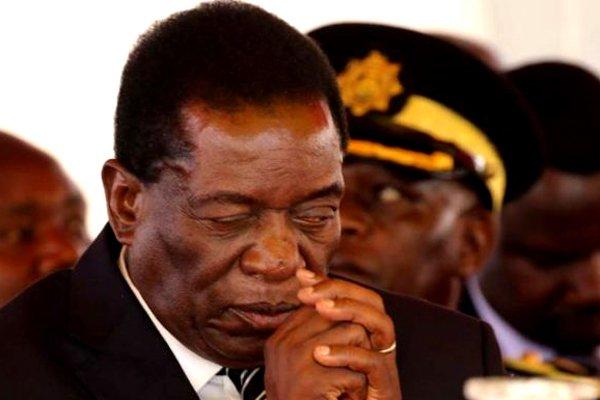
The High Court of Zimbabwe has ordered President Emmerson Mnangagwa to publish a long-suppressed report into the sale of State land, ruling that its continued secrecy violates constitutional rights to transparency and public accountability.
The ruling follows an application filed in the public interest by former Harare East opposition legislator Allan Norman Markham, who sought to compel the release of the Uchena Commission Report. The commission investigated the allocation and sale of State land in and around urban areas from 2005 onwards. Markham was represented by lawyers Alec Muchadehama and Andrew Makoni of the Zimbabwe Lawyers for Human Rights (ZLHR).
In a judgment delivered by Justice Maxwell Takuva, the court found that the failure to make the report public breached Section 62 of the Constitution, which guarantees access to information held by the State, and undermined the founding values of good governance set out in Section 3.
"The continued withholding of this report constitutes a violation of the constitutional right to access information," Justice Takuva ruled.
"The right under section 62 is not discretionary; it is a direct and enforceable entitlement that binds all State institutions."
The Uchena Commission was appointed in February 2018 amid widespread concern over illegal land sales, unregulated urban settlements and the activities of so-called land barons accused of defrauding home-seekers and depriving the State of valuable land. Chaired by Justice Tendai Uchena, then a judge of appeal, the commission conducted hearings and investigations in all 10 provinces before submitting its final report to the President in December 2019.
Despite being completed more than six years ago, the report has never been released to the public.
In his application, Markham argued that the findings were of exceptional public importance, alleging that the inquiry exposed "large-scale illegal sale and development of State land" and financial prejudice to the State estimated at about US$2.97 billion. He said the secrecy surrounding the report prevented citizens from understanding the true extent of corruption, maladministration and loss of public resources.
Justice Takuva agreed, noting that State land is public property and that the alleged losses ran into billions of dollars.
"The report concerns the sale and allocation of State land, which is public property, and the findings relate to potential corruption, abuse of office and loss of State revenue estimated at nearly USD 3 billion," the judge said.
"Such information clearly falls within the ambit of information required in the interests of public accountability."
The President and the Attorney-General opposed the application, arguing that the Constitution does not impose a duty on the Head of State to publish commission reports and that the right of access to information does not automatically translate into public dissemination. They also warned that publication could infringe the rights of individuals named in the report, including rights to privacy, dignity and the presumption of innocence.
However, the court rejected these arguments, expressing concern over what it described as selective disclosure of the report.
"The court is not too sure as to what criteria was used to choose which specific stakeholders were entitled to receive the report while others were left out, if the report is said to be complete," Justice Takuva said.
"This procedure clearly does not reflect the transparency stipulated by our Constitution."
The judge said the continued secrecy conveyed "opacity rather than transparency and secrecy rather than accountability, and silence rather than responsiveness," conduct he found inconsistent with constitutional governance.
Drawing on comparative jurisprudence, Justice Takuva emphasised that public inquiries are meant to uncover the truth and restore public confidence in government institutions, citing a Canadian Supreme Court ruling on the purpose of such inquiries.
In granting relief, the court declared the non-disclosure of the Uchena Commission Report unconstitutional and ordered President Mnangagwa to publish and make the report accessible to the public within 90 days of the judgment.
"The withholding of the Uchena Commission Report undermines public accountability and erodes confidence in the institutions of governance," Justice Takuva ruled.
"The respondents, as custodians of State power, are constitutionally obliged to act with openness and transparency in matters of public interest."
No order was made as to costs.
The ruling follows an application filed in the public interest by former Harare East opposition legislator Allan Norman Markham, who sought to compel the release of the Uchena Commission Report. The commission investigated the allocation and sale of State land in and around urban areas from 2005 onwards. Markham was represented by lawyers Alec Muchadehama and Andrew Makoni of the Zimbabwe Lawyers for Human Rights (ZLHR).
In a judgment delivered by Justice Maxwell Takuva, the court found that the failure to make the report public breached Section 62 of the Constitution, which guarantees access to information held by the State, and undermined the founding values of good governance set out in Section 3.
"The continued withholding of this report constitutes a violation of the constitutional right to access information," Justice Takuva ruled.
"The right under section 62 is not discretionary; it is a direct and enforceable entitlement that binds all State institutions."
The Uchena Commission was appointed in February 2018 amid widespread concern over illegal land sales, unregulated urban settlements and the activities of so-called land barons accused of defrauding home-seekers and depriving the State of valuable land. Chaired by Justice Tendai Uchena, then a judge of appeal, the commission conducted hearings and investigations in all 10 provinces before submitting its final report to the President in December 2019.
Despite being completed more than six years ago, the report has never been released to the public.
In his application, Markham argued that the findings were of exceptional public importance, alleging that the inquiry exposed "large-scale illegal sale and development of State land" and financial prejudice to the State estimated at about US$2.97 billion. He said the secrecy surrounding the report prevented citizens from understanding the true extent of corruption, maladministration and loss of public resources.
Justice Takuva agreed, noting that State land is public property and that the alleged losses ran into billions of dollars.
"Such information clearly falls within the ambit of information required in the interests of public accountability."
The President and the Attorney-General opposed the application, arguing that the Constitution does not impose a duty on the Head of State to publish commission reports and that the right of access to information does not automatically translate into public dissemination. They also warned that publication could infringe the rights of individuals named in the report, including rights to privacy, dignity and the presumption of innocence.
However, the court rejected these arguments, expressing concern over what it described as selective disclosure of the report.
"The court is not too sure as to what criteria was used to choose which specific stakeholders were entitled to receive the report while others were left out, if the report is said to be complete," Justice Takuva said.
"This procedure clearly does not reflect the transparency stipulated by our Constitution."
The judge said the continued secrecy conveyed "opacity rather than transparency and secrecy rather than accountability, and silence rather than responsiveness," conduct he found inconsistent with constitutional governance.
Drawing on comparative jurisprudence, Justice Takuva emphasised that public inquiries are meant to uncover the truth and restore public confidence in government institutions, citing a Canadian Supreme Court ruling on the purpose of such inquiries.
In granting relief, the court declared the non-disclosure of the Uchena Commission Report unconstitutional and ordered President Mnangagwa to publish and make the report accessible to the public within 90 days of the judgment.
"The withholding of the Uchena Commission Report undermines public accountability and erodes confidence in the institutions of governance," Justice Takuva ruled.
"The respondents, as custodians of State power, are constitutionally obliged to act with openness and transparency in matters of public interest."
No order was made as to costs.
Source - NewZimbabwe
Join the discussion
Loading comments…



