News / National
Teachers in Zimbabwe push for return of corporal punishment in schools
08 Feb 2026 at 14:50hrs |
387 Views
EDUCATORS in Zimbabwe are pushing for the reintroduction of corporal punishment in schools, citing a surge in indiscipline, including drug and substance abuse among learners as young as 14.
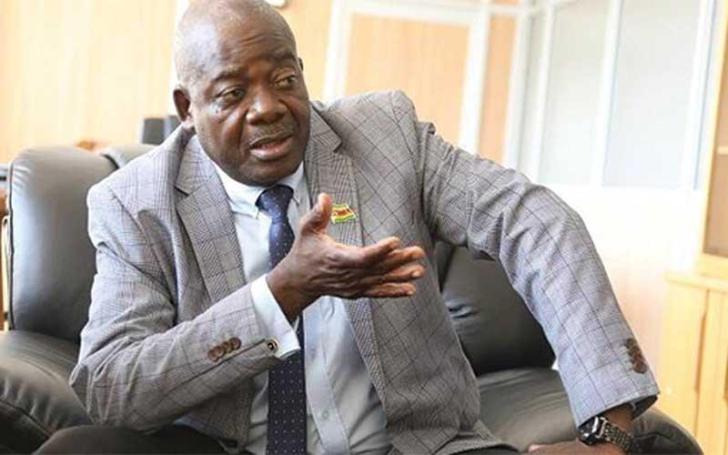
The call comes despite the government maintaining its ban on physical discipline. Primary and Secondary Education Minister, Dr Torerai Moyo, recently reminded school heads in Mutare that the prohibition remains in force, warning that violations could attract severe consequences.
"Let me remind you that corporal punishment is still outlawed. No learner should be beaten at school… Those who feel corporal punishment should be restored are free to petition Parliament, stating their reasons, but as of now, it is banned," Dr Moyo said. He encouraged headmasters to identify learners engaging in drugs and take appropriate remedial action.
The debate has highlighted the challenges schools face in managing errant behaviour and ensuring a conducive learning environment. While some educators argue that current disciplinary measures are insufficient, critics caution that corporal punishment undermines learner dignity and may teach children that violence is an acceptable way to resolve conflicts.
Representatives of teachers' unions have expressed frustration at the current climate. Zimbabwe Rural Teachers Union (ZRTU) president, Mr Martin Chaburumunda, said the ban has left teachers "powerless" and struggling to maintain order in classrooms. Progressive Teachers Union of Zimbabwe (PTUZ) Manicaland provincial coordinator, Mr Charles Musembwa, added that removing corporal punishment without an alternative disciplinary tool has contributed to rising indiscipline and risky behaviours among learners.
Research by the Anti-Drug Abuse Forum (ADAF) indicates that about 43 percent of high school learners have either used or come into contact with illegal drugs since 2017. ADAF executive director, Mr Collin Mapfumo, said some youths turn to drugs to cope with personal challenges or as a source of income.
While the debate continues, many educators stress that modern disciplinary approaches focusing on mentorship, counselling, and community involvement may offer a safer and more sustainable alternative to physical punishment.
The controversy underscores the ongoing struggle in Zimbabwe's schools to balance learner rights with the need for order and effective education.
The call comes despite the government maintaining its ban on physical discipline. Primary and Secondary Education Minister, Dr Torerai Moyo, recently reminded school heads in Mutare that the prohibition remains in force, warning that violations could attract severe consequences.
"Let me remind you that corporal punishment is still outlawed. No learner should be beaten at school… Those who feel corporal punishment should be restored are free to petition Parliament, stating their reasons, but as of now, it is banned," Dr Moyo said. He encouraged headmasters to identify learners engaging in drugs and take appropriate remedial action.
The debate has highlighted the challenges schools face in managing errant behaviour and ensuring a conducive learning environment. While some educators argue that current disciplinary measures are insufficient, critics caution that corporal punishment undermines learner dignity and may teach children that violence is an acceptable way to resolve conflicts.
Representatives of teachers' unions have expressed frustration at the current climate. Zimbabwe Rural Teachers Union (ZRTU) president, Mr Martin Chaburumunda, said the ban has left teachers "powerless" and struggling to maintain order in classrooms. Progressive Teachers Union of Zimbabwe (PTUZ) Manicaland provincial coordinator, Mr Charles Musembwa, added that removing corporal punishment without an alternative disciplinary tool has contributed to rising indiscipline and risky behaviours among learners.
Research by the Anti-Drug Abuse Forum (ADAF) indicates that about 43 percent of high school learners have either used or come into contact with illegal drugs since 2017. ADAF executive director, Mr Collin Mapfumo, said some youths turn to drugs to cope with personal challenges or as a source of income.
While the debate continues, many educators stress that modern disciplinary approaches focusing on mentorship, counselling, and community involvement may offer a safer and more sustainable alternative to physical punishment.
The controversy underscores the ongoing struggle in Zimbabwe's schools to balance learner rights with the need for order and effective education.
Source - Manica Post
Join the discussion
Loading comments…





