News / National
Zimbabwe drops 2030 deadline for monocurrency
27 Feb 2026 at 10:10hrs |
0 Views
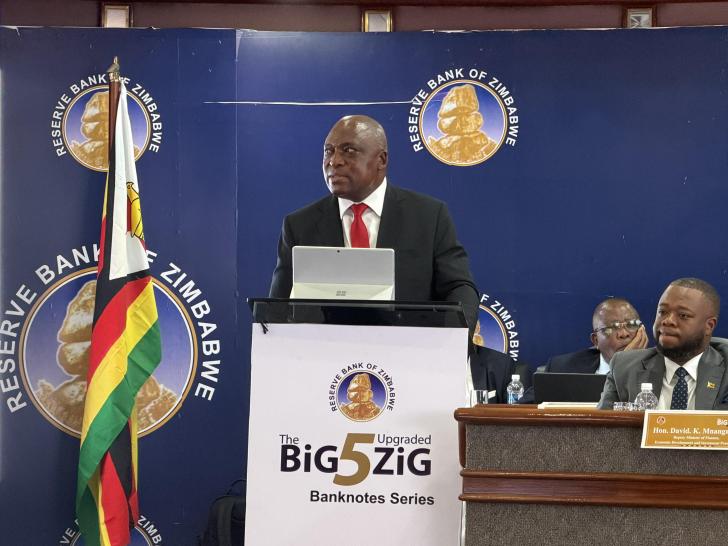
The Reserve Bank of Zimbabwe (RBZ) has announced that Zimbabwe will no longer adhere to a fixed 2030 deadline for ending the multi-currency system and fully adopting the Zimbabwean dollar (ZiG).
Governor John Mangudya said the transition will now depend on achieving key macroeconomic conditions rather than a calendar date. These conditions include maintaining low inflation, building import cover to 3–5 months (up from the current 1.5 months), developing an efficient foreign exchange market, and ensuring a stable ZiG supported by strong demand.
"The focus is on conditions that create a sustainable environment for a monocurrency," Mangudya said.
Even when a full transition to the ZiG occurs, US dollar-denominated contracts will continue to be settled in USD, and foreign currency accounts will remain operational. The shift signals a cautious approach aimed at avoiding disruptions to trade, investment, and savings, while gradually strengthening the local currency's credibility.
Analysts note that abandoning a hard 2030 deadline provides the central bank flexibility to respond to economic realities, particularly given Zimbabwe's history of high inflation and currency volatility.
Governor John Mangudya said the transition will now depend on achieving key macroeconomic conditions rather than a calendar date. These conditions include maintaining low inflation, building import cover to 3–5 months (up from the current 1.5 months), developing an efficient foreign exchange market, and ensuring a stable ZiG supported by strong demand.
Even when a full transition to the ZiG occurs, US dollar-denominated contracts will continue to be settled in USD, and foreign currency accounts will remain operational. The shift signals a cautious approach aimed at avoiding disruptions to trade, investment, and savings, while gradually strengthening the local currency's credibility.
Analysts note that abandoning a hard 2030 deadline provides the central bank flexibility to respond to economic realities, particularly given Zimbabwe's history of high inflation and currency volatility.
Source - online
Join the discussion
Loading comments…



