News / National
2 wives lose fight over will
12 May 2026 at 20:11hrs |
0 Views
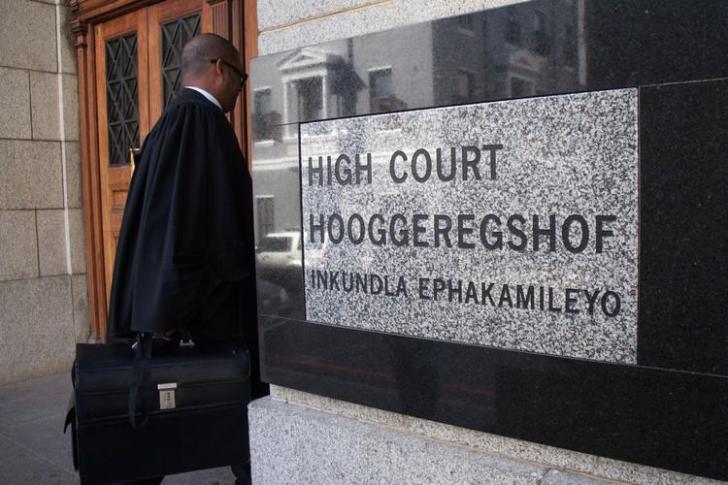
Two women claiming to be customary law wives of the late Pius Mutyasira have lost a High Court bid to invalidate his will after the court ruled that technical defects in the document did not affect its legal validity.
Justice Amy Tsanga dismissed an application by Nhaka Chikoo and Zilpha Maunga, who wanted the estate declared intestate so it could be distributed under customary law.
The ruling upheld the decision of the Master of the High Court to accept the disputed will, leaving the estate to be administered largely in favour of the deceased's legally married wife, Villah Mutyasira, and their children.
The dispute centred on a four-page will drafted in 2003. The applicants argued that the document was invalid because the third page had not been signed by either the testator or witnesses, allegedly breaching requirements under Zimbabwe's Wills Act.
They also challenged the conduct of the Assistant Master, claiming impropriety after an initial recommendation to reject the will was later reversed.
However, Justice Tsanga ruled that the omission was merely technical and did not undermine the deceased's intentions.
"The unsigned page is not dispositive, and there is no evidence of alteration, fraud, or incompleteness," the judge said.
"Nor is there any indication that the deceased revoked the will; on the contrary, it remained operative until his death."
The court held that Zimbabwean law allows the Master to accept a will that does not strictly comply with every technical formality where there is sufficient proof that the deceased intended it to serve as his final testament.
"The placement of signatures on a separate page does not, without more, invalidate the will," the court ruled, adding that the signatures clearly related to the preceding text.
Justice Tsanga also dismissed arguments that the Assistant Master became legally barred from changing position after initially recommending rejection of the will.
"An internal recommendation to reject a will does not create a legal bar," she said.
The judgment further reinforced the principle of freedom of testation, which allows individuals to decide how their property should be distributed after death.
"Dissatisfaction arising from exclusion as a presumptive beneficiary … is not a basis to invalidate the will," the judge ruled.
Court papers indicated that although Mutyasira allegedly entered into several customary unions after drafting the will, there was no evidence he amended or revoked it before his death in July 2023.
The application was dismissed with costs, allowing the estate administration to proceed according to the will.
Justice Amy Tsanga dismissed an application by Nhaka Chikoo and Zilpha Maunga, who wanted the estate declared intestate so it could be distributed under customary law.
The ruling upheld the decision of the Master of the High Court to accept the disputed will, leaving the estate to be administered largely in favour of the deceased's legally married wife, Villah Mutyasira, and their children.
The dispute centred on a four-page will drafted in 2003. The applicants argued that the document was invalid because the third page had not been signed by either the testator or witnesses, allegedly breaching requirements under Zimbabwe's Wills Act.
They also challenged the conduct of the Assistant Master, claiming impropriety after an initial recommendation to reject the will was later reversed.
However, Justice Tsanga ruled that the omission was merely technical and did not undermine the deceased's intentions.
"The unsigned page is not dispositive, and there is no evidence of alteration, fraud, or incompleteness," the judge said.
"Nor is there any indication that the deceased revoked the will; on the contrary, it remained operative until his death."
The court held that Zimbabwean law allows the Master to accept a will that does not strictly comply with every technical formality where there is sufficient proof that the deceased intended it to serve as his final testament.
"The placement of signatures on a separate page does not, without more, invalidate the will," the court ruled, adding that the signatures clearly related to the preceding text.
Justice Tsanga also dismissed arguments that the Assistant Master became legally barred from changing position after initially recommending rejection of the will.
"An internal recommendation to reject a will does not create a legal bar," she said.
The judgment further reinforced the principle of freedom of testation, which allows individuals to decide how their property should be distributed after death.
"Dissatisfaction arising from exclusion as a presumptive beneficiary … is not a basis to invalidate the will," the judge ruled.
Court papers indicated that although Mutyasira allegedly entered into several customary unions after drafting the will, there was no evidence he amended or revoked it before his death in July 2023.
The application was dismissed with costs, allowing the estate administration to proceed according to the will.
Source - The Herald
Join the discussion
Loading comments…


