News / National
Pressure mounts on Mthuli Ncube over fuel price madness
23 Mar 2026 at 22:24hrs |
0 Views
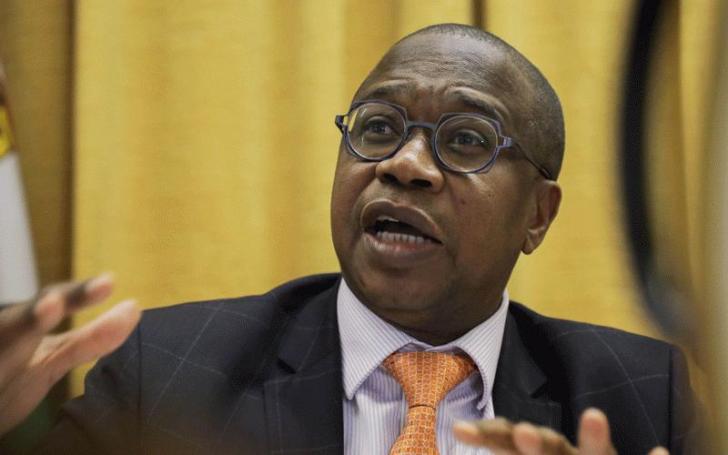
Zimbabwe is under growing pressure to reconsider its recent fuel price increases, as economic stakeholders warn that the hikes are feeding into broader inflation and squeezing consumers.
Finance minister Mthuli Ncube has acknowledged that the current pricing environment could strain the economy, indicating that the government is reviewing its tax and levy structure in response to rising global oil prices. This follows the recent adjustments by the Zimbabwe Energy Regulatory Authority (ZERA), which pushed petrol to US$2.17 per litre and diesel to US$2.05 per litre.
Authorities attribute the increases largely to global supply disruptions linked to geopolitical tensions in the Middle East. However, critics argue that domestic taxes and levies play a significant role in inflating pump prices.
Advocacy groups such as the Zimbabwe Taxpayers Platform (ZiTAP) say the current structure places an excessive burden on consumers and is contributing to widespread inflationary pressures. The group is calling for a reduction in fuel-related taxes, arguing that a high tax component is driving prices beyond regional norms.
A breakdown of fuel pricing has intensified the debate, showing that a substantial portion of what consumers pay goes to taxes, levies, and associated charges before reaching retail prices. This has fueled claims that the pricing model is structurally inflated compared to neighbouring countries.
Business leaders have also raised concerns. The Zimbabwe National Chamber of Commerce (ZNCC) has warned that the fuel price surge could trigger cost-push inflation across sectors, affecting logistics, production, and ultimately consumer prices.
Comparatively, Zimbabwe now ranks among the countries with the highest fuel prices in the region, behind only Malawi, with its petrol and diesel prices significantly higher than those in countries like South Africa, Botswana, and Zambia. This disparity has raised concerns about competitiveness and economic sustainability.
Analysts note that the government faces a difficult balancing act between maintaining revenue streams and cushioning citizens from economic shocks. With fuel playing a central role in transportation and production, any sustained increase is expected to ripple through food prices, services, and general cost of living.
The unfolding situation will depend on whether authorities proceed with meaningful tax adjustments or maintain the current structure, a decision that will have far-reaching implications for inflation, business confidence, and household spending in the coming months.
Finance minister Mthuli Ncube has acknowledged that the current pricing environment could strain the economy, indicating that the government is reviewing its tax and levy structure in response to rising global oil prices. This follows the recent adjustments by the Zimbabwe Energy Regulatory Authority (ZERA), which pushed petrol to US$2.17 per litre and diesel to US$2.05 per litre.
Authorities attribute the increases largely to global supply disruptions linked to geopolitical tensions in the Middle East. However, critics argue that domestic taxes and levies play a significant role in inflating pump prices.
Advocacy groups such as the Zimbabwe Taxpayers Platform (ZiTAP) say the current structure places an excessive burden on consumers and is contributing to widespread inflationary pressures. The group is calling for a reduction in fuel-related taxes, arguing that a high tax component is driving prices beyond regional norms.
A breakdown of fuel pricing has intensified the debate, showing that a substantial portion of what consumers pay goes to taxes, levies, and associated charges before reaching retail prices. This has fueled claims that the pricing model is structurally inflated compared to neighbouring countries.
Business leaders have also raised concerns. The Zimbabwe National Chamber of Commerce (ZNCC) has warned that the fuel price surge could trigger cost-push inflation across sectors, affecting logistics, production, and ultimately consumer prices.
Comparatively, Zimbabwe now ranks among the countries with the highest fuel prices in the region, behind only Malawi, with its petrol and diesel prices significantly higher than those in countries like South Africa, Botswana, and Zambia. This disparity has raised concerns about competitiveness and economic sustainability.
Analysts note that the government faces a difficult balancing act between maintaining revenue streams and cushioning citizens from economic shocks. With fuel playing a central role in transportation and production, any sustained increase is expected to ripple through food prices, services, and general cost of living.
The unfolding situation will depend on whether authorities proceed with meaningful tax adjustments or maintain the current structure, a decision that will have far-reaching implications for inflation, business confidence, and household spending in the coming months.
Source - The Standard
Join the discussion
Loading comments…





