News / National
Nurses' strike paralyzes Parirenyatwa, patients left stranded
24 Mar 2026 at 07:25hrs |
0 Views
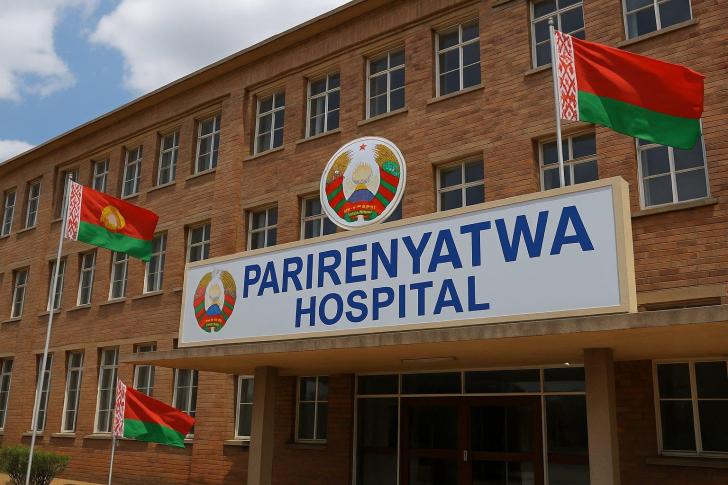
Operations were severely disrupted at Parirenyatwa Group of Hospitals on Monday after nurses downed tools, abandoning wards and leaving patients stranded as they demanded an urgent review of salaries and allowances.
Business ground to a near halt at Zimbabwe's largest referral hospital, with only student nurses on industrial attachment left to attend to patients in critical wards, raising serious concerns over the quality and safety of care.
The strike comes just days after a similar job action at Sally Mugabe Central Hospital, signalling deepening unrest within the country's public health sector.
Nurses at Parirenyatwa declined to speak on record, citing fears of victimisation, but those who spoke anonymously painted a grim picture of deteriorating working conditions and mounting financial strain.
"I'm ashamed to mention that I'm a nurse because I can't afford to send my children to school or even put a decent meal on the table," said one nurse.
Another added: "Even security guards earn better than us."
The nurses said recent fuel price increases had worsened their situation, pushing transport costs beyond reach. They noted that their current transport allowance of ZiG500 - roughly US$15 - is no longer adequate, with some spending up to US$6 daily just to commute.
"We are earning less than vendors on the streets, yet we are expected to save lives," another nurse said, describing a profession that has been "stripped of all dignity."
Among their demands are salary adjustments, improved night duty allowances and broader reforms to working conditions.
Responding to the developments, Health Service Commission Public Relations Officer Kudzayi Manyepa urged the nurses to formally submit their grievances - a response that drew anger from protesting workers.
"What we ask is for you to put your demands in writing so that we can attend to you," she said.
Following the confrontation, a small group of nurses was allowed into closed offices for dialogue with authorities, but by late afternoon no comprehensive resolution had been reached.
Meanwhile, patients and their families continued to bear the brunt of the disruption, with some left unattended in overcrowded wards as the crisis unfolded.
The latest strike underscores growing pressure on Zimbabwe's healthcare system, where low wages, rising living costs and resource constraints are increasingly pushing frontline workers to the brink.
Business ground to a near halt at Zimbabwe's largest referral hospital, with only student nurses on industrial attachment left to attend to patients in critical wards, raising serious concerns over the quality and safety of care.
The strike comes just days after a similar job action at Sally Mugabe Central Hospital, signalling deepening unrest within the country's public health sector.
Nurses at Parirenyatwa declined to speak on record, citing fears of victimisation, but those who spoke anonymously painted a grim picture of deteriorating working conditions and mounting financial strain.
"I'm ashamed to mention that I'm a nurse because I can't afford to send my children to school or even put a decent meal on the table," said one nurse.
Another added: "Even security guards earn better than us."
The nurses said recent fuel price increases had worsened their situation, pushing transport costs beyond reach. They noted that their current transport allowance of ZiG500 - roughly US$15 - is no longer adequate, with some spending up to US$6 daily just to commute.
Among their demands are salary adjustments, improved night duty allowances and broader reforms to working conditions.
Responding to the developments, Health Service Commission Public Relations Officer Kudzayi Manyepa urged the nurses to formally submit their grievances - a response that drew anger from protesting workers.
"What we ask is for you to put your demands in writing so that we can attend to you," she said.
Following the confrontation, a small group of nurses was allowed into closed offices for dialogue with authorities, but by late afternoon no comprehensive resolution had been reached.
Meanwhile, patients and their families continued to bear the brunt of the disruption, with some left unattended in overcrowded wards as the crisis unfolded.
The latest strike underscores growing pressure on Zimbabwe's healthcare system, where low wages, rising living costs and resource constraints are increasingly pushing frontline workers to the brink.
Source - NewZimbabwe
Join the discussion
Loading comments…





