News / National
Zimbabwe slashes fuel taxes
25 Mar 2026 at 10:41hrs |
0 Views
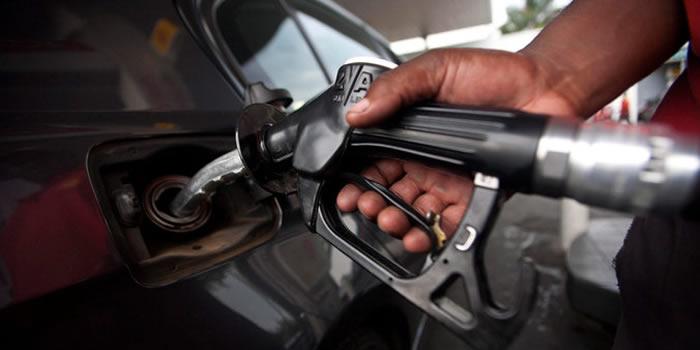
Zimbabwe's Cabinet has approved a review of selected, time-bound fuel taxes as part of measures to cushion citizens from rising energy costs and inflationary pressures linked to the ongoing Middle East conflict. The decision was announced by the Minister of Information, Publicity and Broadcasting Services, Zhemu Soda, during a post-Cabinet briefing in Harare.
The review is intended to help stabilise fuel prices and protect consumers, particularly as transport costs have begun to rise. Government is also considering increasing the mandatory ethanol blending ratio in petrol from E5 to E20, a move expected to reduce the pump price of fuel and lower the country's fuel import bill. Local producers have indicated that the change could save motorists about US$0.18 per litre.
Minister Soda said the adjustments are part of broader efforts to manage the impact of global disruptions on domestic prices. While international oil markets have been affected, he noted that most basic goods in Zimbabwe have remained relatively stable, although a few bread producers have increased prices by around 10%.
At the same briefing, the Minister of Industry and Commerce, Mangaliso Ndlovu, said the country has sufficient fuel reserves to withstand external shocks. He confirmed that Zimbabwe is working with oil traders to diversify supply routes and has approved the importation of diesel by road to complement existing pipeline and rail systems.
Authorities indicated that the country has more than three months of fuel cover from Beira and inland storage facilities, ensuring continued supply stability. They also noted that, without government intervention, fuel prices would have been significantly higher than current levels.
In addition to fuel-related measures, Cabinet approved a Memorandum of Understanding between Zimbabwe and Ghana to strengthen cooperation in the energy sector. The agreement aims to promote collaboration in renewable energy, oil, gas, electricity, and petroleum, while supporting infrastructure development, energy security, and the transition to cleaner energy.
The agreement, presented by Minister of Justice, Legal and Parliamentary Affairs, Ziyambi Ziyambi, is expected to enhance bilateral relations and create opportunities for energy trade and capacity building between the two countries.
Overall, the measures reflect government's efforts to stabilise fuel prices, protect consumers, and strengthen long-term energy security amid global uncertainty.
The review is intended to help stabilise fuel prices and protect consumers, particularly as transport costs have begun to rise. Government is also considering increasing the mandatory ethanol blending ratio in petrol from E5 to E20, a move expected to reduce the pump price of fuel and lower the country's fuel import bill. Local producers have indicated that the change could save motorists about US$0.18 per litre.
Minister Soda said the adjustments are part of broader efforts to manage the impact of global disruptions on domestic prices. While international oil markets have been affected, he noted that most basic goods in Zimbabwe have remained relatively stable, although a few bread producers have increased prices by around 10%.
At the same briefing, the Minister of Industry and Commerce, Mangaliso Ndlovu, said the country has sufficient fuel reserves to withstand external shocks. He confirmed that Zimbabwe is working with oil traders to diversify supply routes and has approved the importation of diesel by road to complement existing pipeline and rail systems.
Authorities indicated that the country has more than three months of fuel cover from Beira and inland storage facilities, ensuring continued supply stability. They also noted that, without government intervention, fuel prices would have been significantly higher than current levels.
In addition to fuel-related measures, Cabinet approved a Memorandum of Understanding between Zimbabwe and Ghana to strengthen cooperation in the energy sector. The agreement aims to promote collaboration in renewable energy, oil, gas, electricity, and petroleum, while supporting infrastructure development, energy security, and the transition to cleaner energy.
The agreement, presented by Minister of Justice, Legal and Parliamentary Affairs, Ziyambi Ziyambi, is expected to enhance bilateral relations and create opportunities for energy trade and capacity building between the two countries.
Overall, the measures reflect government's efforts to stabilise fuel prices, protect consumers, and strengthen long-term energy security amid global uncertainty.
Source - The Chronicle
Join the discussion
Loading comments…





