News / National
Fuel shock hurls Zimbabwe into policy scramble
26 Mar 2026 at 12:24hrs |
0 Views
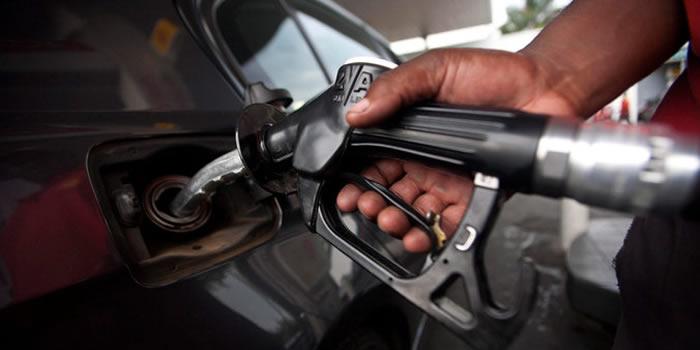
Government has been plunged into an urgent policy crisis following a sharp surge in global oil prices, triggered by escalating tensions in the Middle East, which has sent fuel costs soaring and placed Zimbabwe's fragile economic stability under threat.
In response, authorities have activated a high-level inter-ministerial taskforce chaired by Chief Secretary to the President and Cabinet, Martin Rushwaya, as officials race to contain a fast-rising inflation shock.
The speed at which the crisis is unfolding has alarmed policymakers. Within days, increases in fuel prices have cascaded across the economy - driving up transport fares, food prices and general retail costs - highlighting Zimbabwe's heavy dependence on imported fuel.
The Reserve Bank of Zimbabwe has warned that the oil price spike will feed directly into inflation in the short term. Its Monetary Policy Committee projects a rise in month-on-month inflation between March and May, before a possible stabilisation from June.
However, the central bank cautioned that the shock will leave a lasting impact, creating what it described as a "level shift" in annual ZiG inflation - meaning prices could stabilise at a permanently higher base.
"I can't really tell you much about the recommendations as yet, but what I can say is that we are working hard to come up with concrete measures on the issue, and we have made significant progress," Rushwaya said.
"We are fully seized with the matter and are engaging all stakeholders to deliver practical solutions to the fuel price pressures."
Fuel prices have already surged sharply. Blended petrol (E5) rose from US$1.71 to US$2.17 per litre, while diesel increased from US$1.77 to US$2.05 - triggering immediate fare hikes and raising the cost of basic goods.
The crisis has exposed structural weaknesses in the economy, particularly its near-total reliance on fuel imports. Analysts say this leaves Zimbabwe highly vulnerable to external shocks beyond its control.
Behind the scenes, senior government officials are reportedly locked in intense negotiations to craft a response package aimed at cushioning consumers and stabilising prices.
A key area of focus is fuel taxation. Industry estimates suggest levies contribute around US$0.42 per litre of diesel and up to US$0.85 per litre of blended petrol - significantly amplifying global price increases at the pump.
Cabinet has since approved a review of selected, time-bound fuel taxes in a bid to ease pressure on consumers, according to Information Minister Zhemu Soda.
"While price increases have been observed, particularly in the transport sector, Cabinet approved the review of selected and time-bound fuel taxes to contain inflationary pressures and safeguard consumers," Soda said.
Authorities are also exploring structural measures, including increasing ethanol blending from E5 to E20, which could reduce reliance on imported fuel and help moderate pump prices.
The developments come at a critical time for Zimbabwe's economy, which had recently shown signs of stability following tight monetary and fiscal controls.
However, economists warn that without swift and decisive intervention, the fuel shock could reverse those gains - triggering renewed inflation, eroding consumer purchasing power and undermining confidence in the economy.
In response, authorities have activated a high-level inter-ministerial taskforce chaired by Chief Secretary to the President and Cabinet, Martin Rushwaya, as officials race to contain a fast-rising inflation shock.
The speed at which the crisis is unfolding has alarmed policymakers. Within days, increases in fuel prices have cascaded across the economy - driving up transport fares, food prices and general retail costs - highlighting Zimbabwe's heavy dependence on imported fuel.
The Reserve Bank of Zimbabwe has warned that the oil price spike will feed directly into inflation in the short term. Its Monetary Policy Committee projects a rise in month-on-month inflation between March and May, before a possible stabilisation from June.
However, the central bank cautioned that the shock will leave a lasting impact, creating what it described as a "level shift" in annual ZiG inflation - meaning prices could stabilise at a permanently higher base.
"I can't really tell you much about the recommendations as yet, but what I can say is that we are working hard to come up with concrete measures on the issue, and we have made significant progress," Rushwaya said.
"We are fully seized with the matter and are engaging all stakeholders to deliver practical solutions to the fuel price pressures."
Fuel prices have already surged sharply. Blended petrol (E5) rose from US$1.71 to US$2.17 per litre, while diesel increased from US$1.77 to US$2.05 - triggering immediate fare hikes and raising the cost of basic goods.
The crisis has exposed structural weaknesses in the economy, particularly its near-total reliance on fuel imports. Analysts say this leaves Zimbabwe highly vulnerable to external shocks beyond its control.
Behind the scenes, senior government officials are reportedly locked in intense negotiations to craft a response package aimed at cushioning consumers and stabilising prices.
A key area of focus is fuel taxation. Industry estimates suggest levies contribute around US$0.42 per litre of diesel and up to US$0.85 per litre of blended petrol - significantly amplifying global price increases at the pump.
Cabinet has since approved a review of selected, time-bound fuel taxes in a bid to ease pressure on consumers, according to Information Minister Zhemu Soda.
"While price increases have been observed, particularly in the transport sector, Cabinet approved the review of selected and time-bound fuel taxes to contain inflationary pressures and safeguard consumers," Soda said.
Authorities are also exploring structural measures, including increasing ethanol blending from E5 to E20, which could reduce reliance on imported fuel and help moderate pump prices.
The developments come at a critical time for Zimbabwe's economy, which had recently shown signs of stability following tight monetary and fiscal controls.
However, economists warn that without swift and decisive intervention, the fuel shock could reverse those gains - triggering renewed inflation, eroding consumer purchasing power and undermining confidence in the economy.
Source - Business Times
Join the discussion
Loading comments…


