News / National
Fuel shock to hit your pocket: RBZ warns inflation spike ahead
26 Mar 2026 at 20:37hrs |
0 Views
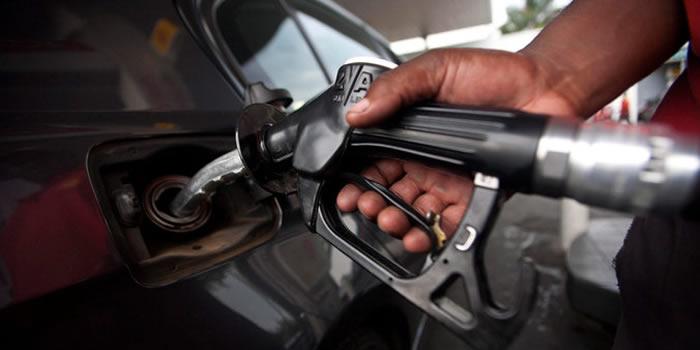
Zimbabwe is bracing for a fresh wave of inflation after the Reserve Bank of Zimbabwe (RBZ) warned that rising fuel prices will push up the cost of living in the coming months.
RBZ governor John Mushayavanhu said inflation is expected to rise between March and May 2026, following a sharp increase in fuel prices triggered by global oil market volatility linked to tensions in the Middle East.
Last week, the Zimbabwe Energy Regulatory Authority raised fuel prices to US$2.17 per litre for petrol and US$2.05 for diesel, up from US$1.71 and US$1.77 respectively—sending shockwaves across the economy.
"The increases in domestic fuel prices are likely to have second-round effects through adverse inflation expectations," Mushayavanhu said, warning that the impact will spread beyond fuel into transport, production and retail prices.
He explained that the fuel hike represents a supply-side shock, meaning it cannot be easily controlled through monetary policy alone.
Despite the expected uptick, the central bank projects that inflation will stabilise from June 2026, with annual ZiG inflation remaining within single-digit levels.
Recent figures show that month-on-month ZiG inflation stood at 0% in January and 0.1% in February, while annual inflation was 4.1% and 3.8% respectively—indicating relative stability before the fuel shock.
To contain inflationary pressures, the RBZ has opted to hold the policy rate at 35%, while maintaining statutory reserve requirements at 15% for savings and time deposits and 30% for demand and call deposits.
However, the ripple effects of rising fuel costs are already being felt across industries.
A survey by the Confederation of Zimbabwe Industries (CZI) revealed that businesses are grappling with sharp increases in operational costs, including fuel, raw materials, logistics, insurance and shipping.
According to the survey, 62% of firms reported fuel cost increases of more than 20%, while others recorded moderate to significant rises. Most companies indicated they are likely to pass these costs on to consumers.
This signals further price hikes for everyday goods and services, placing additional strain on households already facing rising living expenses.
As the fuel-driven inflation wave builds, both businesses and consumers are expected to feel the squeeze—at least in the short term—before stability returns later in the year.
RBZ governor John Mushayavanhu said inflation is expected to rise between March and May 2026, following a sharp increase in fuel prices triggered by global oil market volatility linked to tensions in the Middle East.
Last week, the Zimbabwe Energy Regulatory Authority raised fuel prices to US$2.17 per litre for petrol and US$2.05 for diesel, up from US$1.71 and US$1.77 respectively—sending shockwaves across the economy.
"The increases in domestic fuel prices are likely to have second-round effects through adverse inflation expectations," Mushayavanhu said, warning that the impact will spread beyond fuel into transport, production and retail prices.
He explained that the fuel hike represents a supply-side shock, meaning it cannot be easily controlled through monetary policy alone.
Despite the expected uptick, the central bank projects that inflation will stabilise from June 2026, with annual ZiG inflation remaining within single-digit levels.
To contain inflationary pressures, the RBZ has opted to hold the policy rate at 35%, while maintaining statutory reserve requirements at 15% for savings and time deposits and 30% for demand and call deposits.
However, the ripple effects of rising fuel costs are already being felt across industries.
A survey by the Confederation of Zimbabwe Industries (CZI) revealed that businesses are grappling with sharp increases in operational costs, including fuel, raw materials, logistics, insurance and shipping.
According to the survey, 62% of firms reported fuel cost increases of more than 20%, while others recorded moderate to significant rises. Most companies indicated they are likely to pass these costs on to consumers.
This signals further price hikes for everyday goods and services, placing additional strain on households already facing rising living expenses.
As the fuel-driven inflation wave builds, both businesses and consumers are expected to feel the squeeze—at least in the short term—before stability returns later in the year.
Source - Newsday
Join the discussion
Loading comments…





