News / National
Zimbabwe steel formidable and competitive in the region
30 Mar 2026 at 21:31hrs |
801 Views
Zimbabwe's emerging steel industry is rapidly gaining ground in Southern Africa, with ArcelorMittal South Africa chief executive officer Kobus Verster warning that the country's growing output poses a significant competitive threat to established producers.
Speaking during a recent investor call, Verster said Zimbabwe's production model - anchored on beneficiation, lower input costs, and resource availability - gives it a structural advantage that South African firms may struggle to match.
"If you look at Zimbabwe, there you have a Government that really supports beneficiation. They have coke production, coke ownership. They have cheap electricity and they have iron ore," he said.
"The ability of them to produce long steel or any steel at cost that we cannot compete with will be problematic going forward."
Latest figures from the Minerals Marketing Corporation of Zimbabwe show that Zimbabwe's steel export earnings reached US$92.1 million in 2025 from 146,314 tonnes - marking a 450% jump from US$16.7 million recorded in 2024.
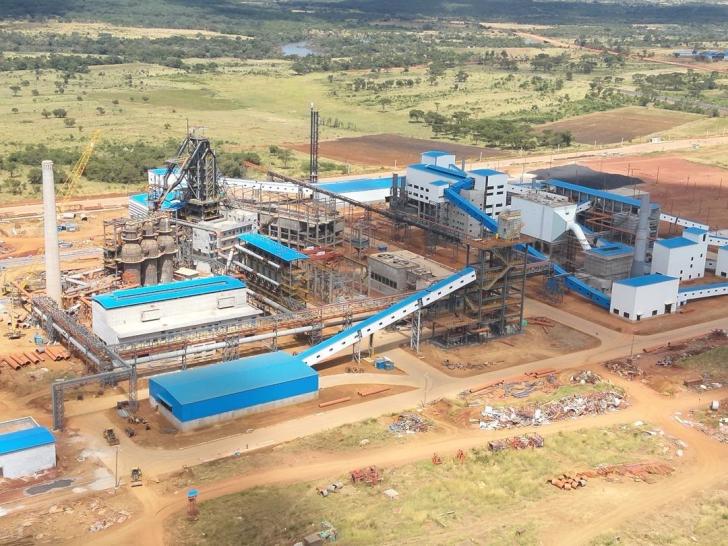
The surge has been driven largely by output from the Dinson Iron and Steel Company plant in Manhize, which began operations in 2024 and is ramping up production towards 600,000 tonnes annually.
"They are now at 600,000 tonnes roughly and once they stabilise and prove their capacity and quality, they will move into other ranges as well," Verster noted.
Zimbabwe's exports are currently dominated by semi-finished and long steel products such as billets, pig iron, and wire rod inputs. These products are critical feedstock for downstream manufacturing and fall outside the scope of some of South Africa's recently tightened tariffs on finished structural steel imports.
South Africa recently imposed duties of up to 74.98% on Chinese structural steel and 20.32% on Thai imports following findings of dumping. However, Zimbabwe's export mix allows it to continue accessing regional markets, including South Africa, by supplying intermediate products.
Industrialist Nxaba Ndiweni said Zimbabwe's export growth reflects a deeper structural shift rather than a short-term opportunity.
"Zimbabwe is not exporting into a vacuum. It is supplying into a regional market that is constrained on the supply side," he said.
"What makes the difference is that the country is producing at a lower cost base while aligning production with regional demand."
He added that the focus on semi-finished steel is commercially strategic, enabling Zimbabwe to integrate directly into existing industrial ecosystems across the region.
Trade economist Rodney Mupfudza noted that South Africa's tariff regime - primarily targeting finished steel - has inadvertently created space for imports of semi-finished products.
"What that does is create space for semi-finished imports, and Zimbabwe is well positioned to supply that segment," he said.
He further highlighted that South Africa's ongoing scrap shortages and energy constraints are sustaining demand for imported steel inputs, reinforcing Zimbabwe's position in the regional value chain.
Beyond cost competitiveness, Zimbabwe is also beginning to gain traction through emerging low-carbon production technologies. Innovations such as carbon composite pellets and modified iron-making processes are improving efficiency and reducing emissions.
This shift aligns with growing investor demand for environmentally sustainable industrial projects and could provide Zimbabwe with a competitive edge as global standards evolve.
The African Continental Free Trade Area framework is further enhancing Zimbabwe's export potential by lowering trade barriers and enabling producers to scale more efficiently across African markets.
Zimbabwe's steel sector remains in an early growth phase, but its rapid expansion and increasing penetration of regional markets signal a significant shift in Southern Africa's industrial dynamics.
As protectionist measures rise against traditional exporters, Zimbabwe's focus on beneficiation, semi-finished steel, and cost efficiency is enabling it to capture market share - positioning the country as an emerging force in regional steel production.
Speaking during a recent investor call, Verster said Zimbabwe's production model - anchored on beneficiation, lower input costs, and resource availability - gives it a structural advantage that South African firms may struggle to match.
"If you look at Zimbabwe, there you have a Government that really supports beneficiation. They have coke production, coke ownership. They have cheap electricity and they have iron ore," he said.
"The ability of them to produce long steel or any steel at cost that we cannot compete with will be problematic going forward."
Latest figures from the Minerals Marketing Corporation of Zimbabwe show that Zimbabwe's steel export earnings reached US$92.1 million in 2025 from 146,314 tonnes - marking a 450% jump from US$16.7 million recorded in 2024.
The surge has been driven largely by output from the Dinson Iron and Steel Company plant in Manhize, which began operations in 2024 and is ramping up production towards 600,000 tonnes annually.
"They are now at 600,000 tonnes roughly and once they stabilise and prove their capacity and quality, they will move into other ranges as well," Verster noted.
Zimbabwe's exports are currently dominated by semi-finished and long steel products such as billets, pig iron, and wire rod inputs. These products are critical feedstock for downstream manufacturing and fall outside the scope of some of South Africa's recently tightened tariffs on finished structural steel imports.
South Africa recently imposed duties of up to 74.98% on Chinese structural steel and 20.32% on Thai imports following findings of dumping. However, Zimbabwe's export mix allows it to continue accessing regional markets, including South Africa, by supplying intermediate products.
Industrialist Nxaba Ndiweni said Zimbabwe's export growth reflects a deeper structural shift rather than a short-term opportunity.
"What makes the difference is that the country is producing at a lower cost base while aligning production with regional demand."
He added that the focus on semi-finished steel is commercially strategic, enabling Zimbabwe to integrate directly into existing industrial ecosystems across the region.
Trade economist Rodney Mupfudza noted that South Africa's tariff regime - primarily targeting finished steel - has inadvertently created space for imports of semi-finished products.
"What that does is create space for semi-finished imports, and Zimbabwe is well positioned to supply that segment," he said.
He further highlighted that South Africa's ongoing scrap shortages and energy constraints are sustaining demand for imported steel inputs, reinforcing Zimbabwe's position in the regional value chain.
Beyond cost competitiveness, Zimbabwe is also beginning to gain traction through emerging low-carbon production technologies. Innovations such as carbon composite pellets and modified iron-making processes are improving efficiency and reducing emissions.
This shift aligns with growing investor demand for environmentally sustainable industrial projects and could provide Zimbabwe with a competitive edge as global standards evolve.
The African Continental Free Trade Area framework is further enhancing Zimbabwe's export potential by lowering trade barriers and enabling producers to scale more efficiently across African markets.
Zimbabwe's steel sector remains in an early growth phase, but its rapid expansion and increasing penetration of regional markets signal a significant shift in Southern Africa's industrial dynamics.
As protectionist measures rise against traditional exporters, Zimbabwe's focus on beneficiation, semi-finished steel, and cost efficiency is enabling it to capture market share - positioning the country as an emerging force in regional steel production.
Source - online
Join the discussion
Loading comments…


