News / National
Charamba defends Constitutional Amendment Bill
13 Apr 2026 at 10:29hrs |
0 Views
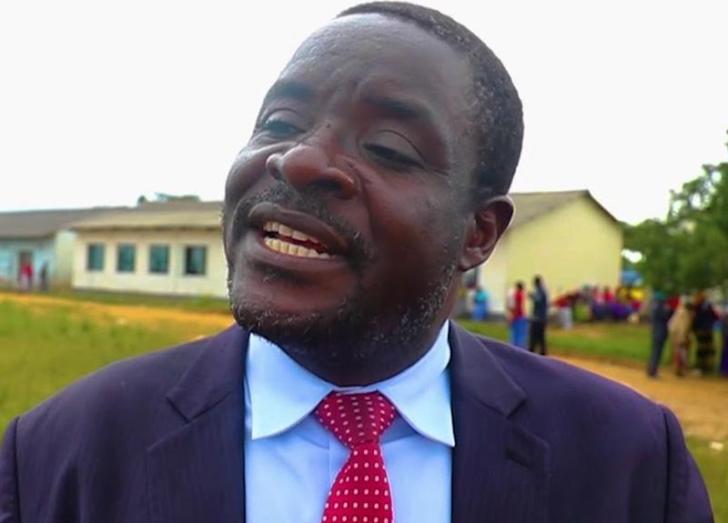
Presidential spokesperson George Charamba has mounted a strong defence of the proposed Constitutional Amendment No. 3 Bill, dismissing criticism from opposition voices as "gratuitous disinformation" and insisting that constitutional amendments are a normal feature of governance.
Speaking in a wide-ranging interview, Charamba - who also serves as Deputy Chief Secretary for Presidential Communications in the Office of the President and Cabinet - said the current process is being mischaracterised as a fundamental overhaul of the country's supreme law.
"There is a lot of disinformation… We are amending the Constitution; we are not changing or throwing away the current Constitution," he said, rejecting claims that the process represents a radical departure from constitutional order.
The proposed Constitution of Zimbabwe Amendment (No. 3) Bill, 2026 has sparked debate across the political divide, with critics raising concerns over its implications for governance and democratic processes.
Charamba, however, argued that such concerns are based on a misunderstanding of how constitutions function. He stressed that Zimbabwe's Constitution, like others globally, is not immutable but evolves in response to the needs and aspirations of its people.
Drawing on the country's constitutional history, he outlined a series of transitions from colonial-era legal frameworks through to the adoption of the Constitution of Zimbabwe 2013, noting that amendments have always been part of that evolution.
"Constitutions are made by people and are meant for the people," Charamba said, adding that even the Lancaster House Constitution underwent numerous amendments due to governance pressures and changing national priorities.
He further explained that the current Bill followed a structured process, beginning with proposals from youth groups, evolving into provincial and party-level positions, before being adopted by Cabinet and introduced in Parliament for public consultation.
Parliament is currently conducting public hearings on the Bill, with citizens invited to submit their views as part of a 90-day consultation period. The deadline for submissions has been extended to 17 May 2026.
Among the key proposals in the Bill are changes to the method of electing the President - shifting from a direct public vote to election by Parliament - and extending presidential and parliamentary terms by two years.
Addressing concerns that such changes would undermine voting rights, Charamba pointed to Zimbabwe's early post-independence period under Canaan Banana, when the presidency was ceremonial and not directly elected. He argued that the later adoption of an executive presidency was a local political choice rather than a universal democratic standard.
He also dismissed comparisons between the amendment process and the Unilateral Declaration of Independence as "fatuous," noting that the current process is rooted in constitutional procedures and public consultation.
Charamba emphasised that the ongoing debate should unfold within democratic channels, urging citizens to participate in the consultation process rather than pre-empt its outcome.
"That you are against the Bill does not give primacy to your ideas… ultimately Parliament will weigh all submissions and decide based on the majority view," he said.
He added that even international observers, including the United Kingdom, have described the matter as a sovereign issue for Zimbabweans to determine.
Charamba maintained that the amendment process is both lawful and routine, insisting that it should not be a source of national contention but rather an exercise in democratic engagement.
Speaking in a wide-ranging interview, Charamba - who also serves as Deputy Chief Secretary for Presidential Communications in the Office of the President and Cabinet - said the current process is being mischaracterised as a fundamental overhaul of the country's supreme law.
"There is a lot of disinformation… We are amending the Constitution; we are not changing or throwing away the current Constitution," he said, rejecting claims that the process represents a radical departure from constitutional order.
The proposed Constitution of Zimbabwe Amendment (No. 3) Bill, 2026 has sparked debate across the political divide, with critics raising concerns over its implications for governance and democratic processes.
Charamba, however, argued that such concerns are based on a misunderstanding of how constitutions function. He stressed that Zimbabwe's Constitution, like others globally, is not immutable but evolves in response to the needs and aspirations of its people.
Drawing on the country's constitutional history, he outlined a series of transitions from colonial-era legal frameworks through to the adoption of the Constitution of Zimbabwe 2013, noting that amendments have always been part of that evolution.
"Constitutions are made by people and are meant for the people," Charamba said, adding that even the Lancaster House Constitution underwent numerous amendments due to governance pressures and changing national priorities.
He further explained that the current Bill followed a structured process, beginning with proposals from youth groups, evolving into provincial and party-level positions, before being adopted by Cabinet and introduced in Parliament for public consultation.
Parliament is currently conducting public hearings on the Bill, with citizens invited to submit their views as part of a 90-day consultation period. The deadline for submissions has been extended to 17 May 2026.
Among the key proposals in the Bill are changes to the method of electing the President - shifting from a direct public vote to election by Parliament - and extending presidential and parliamentary terms by two years.
Addressing concerns that such changes would undermine voting rights, Charamba pointed to Zimbabwe's early post-independence period under Canaan Banana, when the presidency was ceremonial and not directly elected. He argued that the later adoption of an executive presidency was a local political choice rather than a universal democratic standard.
He also dismissed comparisons between the amendment process and the Unilateral Declaration of Independence as "fatuous," noting that the current process is rooted in constitutional procedures and public consultation.
Charamba emphasised that the ongoing debate should unfold within democratic channels, urging citizens to participate in the consultation process rather than pre-empt its outcome.
"That you are against the Bill does not give primacy to your ideas… ultimately Parliament will weigh all submissions and decide based on the majority view," he said.
He added that even international observers, including the United Kingdom, have described the matter as a sovereign issue for Zimbabweans to determine.
Charamba maintained that the amendment process is both lawful and routine, insisting that it should not be a source of national contention but rather an exercise in democratic engagement.
Source - the herald
Join the discussion
Loading comments…





