News / National
Zimbabwe targets Bulawayo for leather industry revival
21 Apr 2026 at 13:20hrs |
0 Views
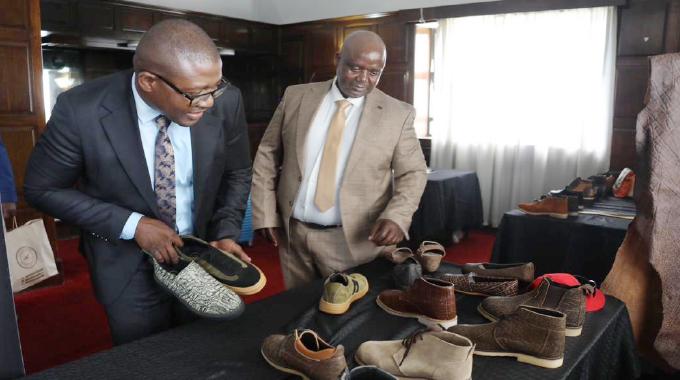
The Government says Bulawayo is strategically positioned to lead the revival of Zimbabwe's leather sector as authorities push for value addition and industrial transformation under the national industrialisation agenda.
The drive is anchored on the Zimbabwe Leather Sector Strategy 2021–2030, which aims to increase capacity utilisation in the industry from about 30 percent to 75 percent by 2030, while reducing reliance on raw hide exports.
Speaking through Principal Development Economist Tawanda Chikomo at a leather value chain stakeholders' workshop, Minister of State for Bulawayo Provincial Affairs and Devolution Judith Ncube said the city remains central to efforts to rebuild the sector.
"Bulawayo is strategically positioned to play a leading role in revitalising the leather sector… with its industrial infrastructure, skilled workforce and proximity to livestock-rich regions," she said.
She added that collaboration between Government, industry players, financiers and development partners is essential to unlocking growth in the sector, which continues to face challenges such as outdated machinery, limited access to raw materials, skills shortages and fragmented coordination.
The workshop, held under the theme Strengthening Collaboration to Address Systemic Bottlenecks and Unlock Inclusive Growth in the Leather Value Chain, brought together stakeholders to explore practical solutions for revitalising the industry.
Officials said the devolution framework is also expected to empower provinces like Bulawayo to leverage their comparative advantages and drive decentralised industrial development.
"The province stands ready to support initiatives that promote value addition and inclusive industrial growth. Let us move beyond dialogue and focus on implementation," Ncube said.
The African Leather and Leather Products Institute (ALLPI) also urged stronger collaboration across the value chain.
Executive director Nicholas Mudungwe said countries that industrialised successfully used sectors such as leather and textiles as a foundation for broader economic development.
He warned that without upgrading the leather and clothing value chains, Zimbabwe risks missing opportunities for sustainable industrial growth.
Mudungwe also highlighted ageing machinery in factories, some of which is over 70 years old, but noted that experienced workers remain a critical asset for sector recovery.
"The most important thing that is difficult to replace is the human element… let us utilise that software that is still available," he said.
The leather industry is viewed as a strategic sector capable of boosting employment, export earnings and industrial diversification, but continues to struggle with structural bottlenecks ranging from raw material supply to market access and investment constraints.
The drive is anchored on the Zimbabwe Leather Sector Strategy 2021–2030, which aims to increase capacity utilisation in the industry from about 30 percent to 75 percent by 2030, while reducing reliance on raw hide exports.
Speaking through Principal Development Economist Tawanda Chikomo at a leather value chain stakeholders' workshop, Minister of State for Bulawayo Provincial Affairs and Devolution Judith Ncube said the city remains central to efforts to rebuild the sector.
"Bulawayo is strategically positioned to play a leading role in revitalising the leather sector… with its industrial infrastructure, skilled workforce and proximity to livestock-rich regions," she said.
She added that collaboration between Government, industry players, financiers and development partners is essential to unlocking growth in the sector, which continues to face challenges such as outdated machinery, limited access to raw materials, skills shortages and fragmented coordination.
The workshop, held under the theme Strengthening Collaboration to Address Systemic Bottlenecks and Unlock Inclusive Growth in the Leather Value Chain, brought together stakeholders to explore practical solutions for revitalising the industry.
Officials said the devolution framework is also expected to empower provinces like Bulawayo to leverage their comparative advantages and drive decentralised industrial development.
The African Leather and Leather Products Institute (ALLPI) also urged stronger collaboration across the value chain.
Executive director Nicholas Mudungwe said countries that industrialised successfully used sectors such as leather and textiles as a foundation for broader economic development.
He warned that without upgrading the leather and clothing value chains, Zimbabwe risks missing opportunities for sustainable industrial growth.
Mudungwe also highlighted ageing machinery in factories, some of which is over 70 years old, but noted that experienced workers remain a critical asset for sector recovery.
"The most important thing that is difficult to replace is the human element… let us utilise that software that is still available," he said.
The leather industry is viewed as a strategic sector capable of boosting employment, export earnings and industrial diversification, but continues to struggle with structural bottlenecks ranging from raw material supply to market access and investment constraints.
Source - the herald
Join the discussion
Loading comments…


