News / National
Zimbabwe records 115 days without load shedding
21 Apr 2026 at 14:08hrs |
0 Views
Zimbabwe's
power sector has reached a significant milestone, recording over 115
consecutive days without load shedding, as a combination of increased
generation capacity, tariff reforms, regional imports and private sector
participation stabilises the national grid.
The Zimbabwe Electricity Transmission and Distribution Company (ZETDC) says the development marks a major step forward under the Second Republic led by Emmerson Mnangagwa, with reliable electricity supply seen as critical for investment and economic productivity.
Speaking at a recent business conference in Victoria Falls, ZETDC acting managing director Engineer Howard Choga attributed the sustained power stability to deliberate policy interventions and growing private sector involvement in electricity generation.
"I am sure that industry and commerce, as well as agriculture and domestic users, now have sufficient energy to contribute to economic activities as Zimbabwe progresses towards its development vision," said Eng Choga.
He pointed to the Zimbabwe Energy Compact as a key policy framework driving the turnaround, guiding efforts to attract up to US$9 billion in investment into the sector, much of it expected from private players.
ZETDC is also targeting an ambitious expansion in electricity access, aiming to connect about three million new customers by 2030 — a sharp increase from fewer than 50 000 annual connections in previous years to around 300 000 per year.
The utility's improved performance has been further supported by captive power generation, particularly among ferrochrome smelters. More than half of the country's 14 smelting plants are now over 50 percent complete in implementing their own power projects, easing pressure on the grid.
Under current arrangements, some of these producers will supply excess electricity to the grid instead of making full cash tariff payments.
Eng Choga acknowledged that past tariff models had negatively impacted the utility. Between 2012 and 2022, a commodity-linked tariff structure resulted in losses of about US$500 million for Zesa. However, since December 2023, tariffs have been adjusted to near cost-reflective levels of around 16.07 US cents per kilowatt-hour, with preferential rates for the ferrochrome sector capped at 10 cents per kWh.
Regional cooperation has also played a crucial role. Zimbabwe is a member of the Southern African Power Pool, allowing it to import electricity during peak demand periods and enhance grid stability through interconnected systems across the SADC region.
Meanwhile, renewable energy is steadily contributing to the energy mix. Rooftop solar installations and net-metering projects are now generating just under 90 megawatts, with households increasingly able to feed excess power back into the grid.
Looking ahead, Eng Choga said the sector will require continued investment of up to US$9 billion by 2030, with about US$4.2 billion expected from private sector partners.
Despite the progress, challenges remain. These include vandalism of infrastructure, non-payment of electricity bills and maintenance backlogs driven by cash flow constraints.
"As we speak, we still have a few pain points, including vandalism and non-payment, but we are working to address these issues," he said.
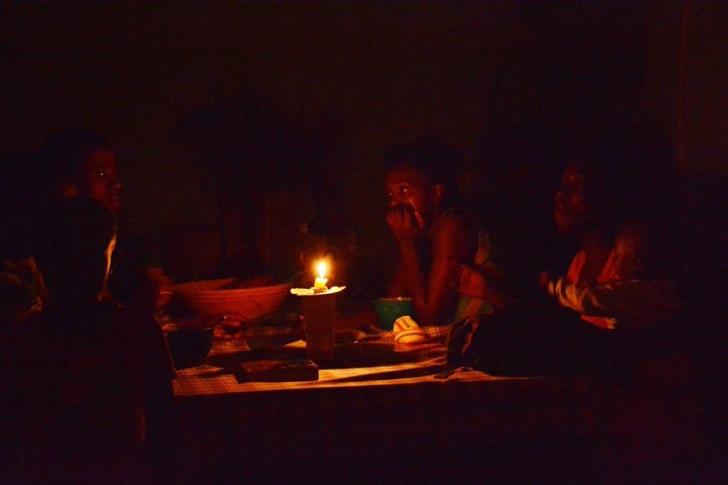
The 115-day stretch without power cuts represents a major turnaround for Zimbabwe, which for years grappled with chronic electricity shortages that disrupted industry, agriculture and daily life.
The Zimbabwe Electricity Transmission and Distribution Company (ZETDC) says the development marks a major step forward under the Second Republic led by Emmerson Mnangagwa, with reliable electricity supply seen as critical for investment and economic productivity.
Speaking at a recent business conference in Victoria Falls, ZETDC acting managing director Engineer Howard Choga attributed the sustained power stability to deliberate policy interventions and growing private sector involvement in electricity generation.
"I am sure that industry and commerce, as well as agriculture and domestic users, now have sufficient energy to contribute to economic activities as Zimbabwe progresses towards its development vision," said Eng Choga.
He pointed to the Zimbabwe Energy Compact as a key policy framework driving the turnaround, guiding efforts to attract up to US$9 billion in investment into the sector, much of it expected from private players.
ZETDC is also targeting an ambitious expansion in electricity access, aiming to connect about three million new customers by 2030 — a sharp increase from fewer than 50 000 annual connections in previous years to around 300 000 per year.
The utility's improved performance has been further supported by captive power generation, particularly among ferrochrome smelters. More than half of the country's 14 smelting plants are now over 50 percent complete in implementing their own power projects, easing pressure on the grid.
Under current arrangements, some of these producers will supply excess electricity to the grid instead of making full cash tariff payments.
Eng Choga acknowledged that past tariff models had negatively impacted the utility. Between 2012 and 2022, a commodity-linked tariff structure resulted in losses of about US$500 million for Zesa. However, since December 2023, tariffs have been adjusted to near cost-reflective levels of around 16.07 US cents per kilowatt-hour, with preferential rates for the ferrochrome sector capped at 10 cents per kWh.
Regional cooperation has also played a crucial role. Zimbabwe is a member of the Southern African Power Pool, allowing it to import electricity during peak demand periods and enhance grid stability through interconnected systems across the SADC region.
Meanwhile, renewable energy is steadily contributing to the energy mix. Rooftop solar installations and net-metering projects are now generating just under 90 megawatts, with households increasingly able to feed excess power back into the grid.
Looking ahead, Eng Choga said the sector will require continued investment of up to US$9 billion by 2030, with about US$4.2 billion expected from private sector partners.
Despite the progress, challenges remain. These include vandalism of infrastructure, non-payment of electricity bills and maintenance backlogs driven by cash flow constraints.
"As we speak, we still have a few pain points, including vandalism and non-payment, but we are working to address these issues," he said.
The 115-day stretch without power cuts represents a major turnaround for Zimbabwe, which for years grappled with chronic electricity shortages that disrupted industry, agriculture and daily life.
Source - The Herald
Join the discussion
Loading comments…





