News / National
Matsanga accuses Zim opposition of 'malicious compliance' in CAB3 debate
27 Apr 2026 at 19:15hrs |
0 Views
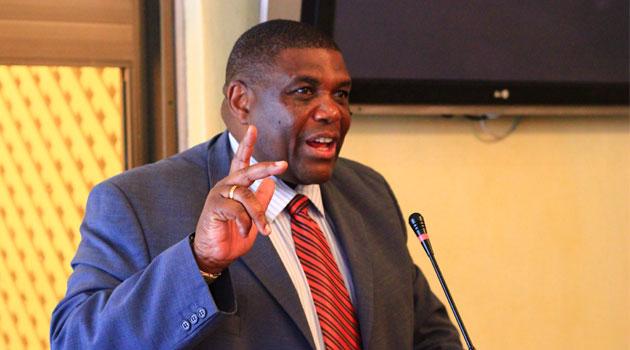
London-based political analyst Dr. David Nyekorach Matsanga has criticised Zimbabwe's opposition, accusing it of engaging in what he terms "malicious compliance" in its resistance to Constitutional Amendment Bill No. 3 (CAB3).
In a letter addressed to British political figure Kate Hoey and other stakeholders, Matsanga argued that the opposition's approach to the proposed constitutional changes reflects a fundamental misunderstanding of constitutionalism.
He claimed that by opposing both the process and the procedure of the amendment, opposition actors were undermining their own legal and political position.
"If Zimbabwe opposition opposes both the process and procedure, then they create what is called ‘malicious compliance' in law," Matsanga said, framing the strategy as one that weakens legitimate constitutional objections.
CAB3, which has sparked intense debate in Zimbabwe, is widely viewed as a controversial proposal with significant political implications, including potential changes linked to the tenure of Emmerson Mnangagwa.
Matsanga drew parallels between historical and contemporary legal contexts, arguing that while past cases such as those of Socrates and Jesus Christ represented overtly politicised trials, modern constitutional disputes require a clearer distinction between legal process and procedural execution.
He said the opposition's failure to clearly define whether it objects to the process or the procedure has led to what he described as speculative and ineffective resistance.
"The inability of the Zimbabwe opposition to effectively challenge, interpret and defend either the process or the procedure creates what is called ‘malicious compliance'," he said.
According to Matsanga, constitutionalism is inherently dynamic and requires nuanced engagement rather than blanket opposition. He argued that the current approach risks allowing "the appearance of illegality" to overshadow what he called the broader principles of democratic accountability.
The remarks come at a time when debate around CAB3 continues to intensify, with critics warning of its potential impact on Zimbabwe's constitutional order, while supporters frame it as part of ongoing governance reforms.
Matsanga has proposed a public meeting in London to further debate the issue, inviting stakeholders from the United Kingdom and beyond to engage in what he described as a necessary discussion on constitutional interpretation and political accountability.
In a letter addressed to British political figure Kate Hoey and other stakeholders, Matsanga argued that the opposition's approach to the proposed constitutional changes reflects a fundamental misunderstanding of constitutionalism.
He claimed that by opposing both the process and the procedure of the amendment, opposition actors were undermining their own legal and political position.
"If Zimbabwe opposition opposes both the process and procedure, then they create what is called ‘malicious compliance' in law," Matsanga said, framing the strategy as one that weakens legitimate constitutional objections.
CAB3, which has sparked intense debate in Zimbabwe, is widely viewed as a controversial proposal with significant political implications, including potential changes linked to the tenure of Emmerson Mnangagwa.
Matsanga drew parallels between historical and contemporary legal contexts, arguing that while past cases such as those of Socrates and Jesus Christ represented overtly politicised trials, modern constitutional disputes require a clearer distinction between legal process and procedural execution.
He said the opposition's failure to clearly define whether it objects to the process or the procedure has led to what he described as speculative and ineffective resistance.
"The inability of the Zimbabwe opposition to effectively challenge, interpret and defend either the process or the procedure creates what is called ‘malicious compliance'," he said.
According to Matsanga, constitutionalism is inherently dynamic and requires nuanced engagement rather than blanket opposition. He argued that the current approach risks allowing "the appearance of illegality" to overshadow what he called the broader principles of democratic accountability.
The remarks come at a time when debate around CAB3 continues to intensify, with critics warning of its potential impact on Zimbabwe's constitutional order, while supporters frame it as part of ongoing governance reforms.
Matsanga has proposed a public meeting in London to further debate the issue, inviting stakeholders from the United Kingdom and beyond to engage in what he described as a necessary discussion on constitutional interpretation and political accountability.
Source - Byo24News
Join the discussion
Loading comments…





